Ricette di Sicilia
Cibo, cultura e tradizioni siciliane
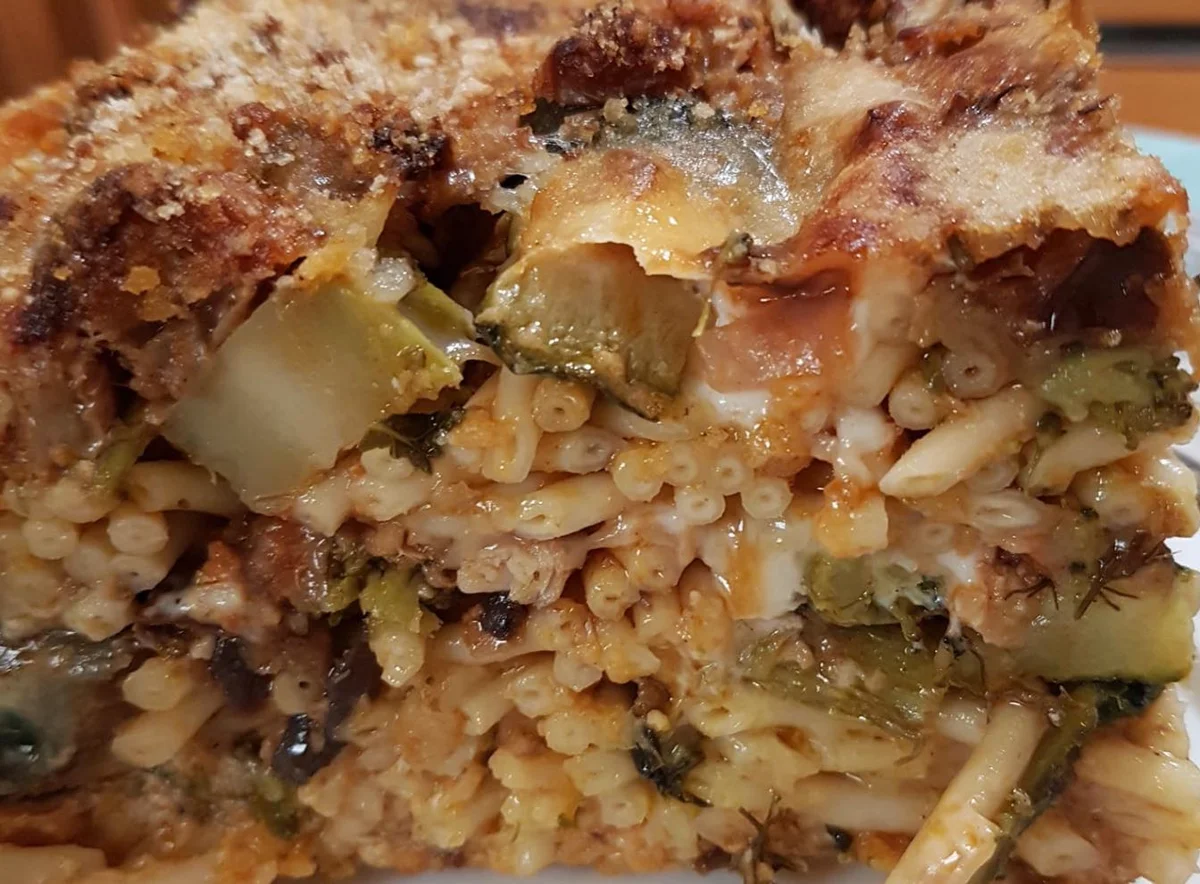
Pasta a Tianu (Saint Joseph’s Day Pasta Bake) – Traditional Sicilian Italian Recipe
Pasta a Tianu is a traditional Sicilian pasta bake prepared for St Joseph’s Day on March 19. A festive recipe from Castelvetrano with sardines, wild fennel and seasonal vegetables.
📖 What is it
Pasta a Tianu is a traditional Sicilian pasta bake prepared for St Joseph’s Day on March 19. A festive recipe from Castelvetrano with sardines, wild fennel and seasonal vegetables.
🛒 Ingredients
- ✓ 600 g pasta of your choice
- ✓ 800 g fresh sardines
- ✓ 1 kg wild asparagus (Castelvetrano style)
- ✓ 1 kg cauliflower
- ✓ 1 kg broccoli
- ✓ 500 g wild fennel
- ✓ 3 sardines in oil
- ✓ 1 onion
- ✓ 50 g pine nuts
- ✓ 100 g sultanas
- ✓ 150 g toasted, chopped almonds
- ✓ 200 ml tomato sauce
- ✓ 200 ml extra virgin olive oil
- ✓ Salt to taste
- ✓ Freshly ground black pepper
📊 Nutritional Information
Pasta a Tianu is a traditional Sicilian pasta bake prepared on March 19 for Saint Joseph’s Day (also known as the Feast of Saint Joseph). This festive Italian dish from western Sicily is traditionally served during communal celebrations honouring the saint.
👨🍳 Preparation
- 1
Trim and break the cauliflower and broccoli into florets, then wash the wild asparagus and fennel thoroughly.
- 2
Boil them in plenty of salted water, drain and set aside, keeping the cooking water for later.
- 3
Warm some of the olive oil in a pan, add the vegetables and gently sauté, stirring frequently to infuse the flavours.
- 4
Clean the fresh sardines by removing heads, bones and spines, then chop into pieces.
- 5
Fry the chopped onion in olive oil, add both the fresh sardines and the sardines in oil, then stir in the pine nuts, sultanas and tomato sauce.
- 6
Season with salt and pepper and let it simmer gently for about 20 minutes.
- 7
Cook the pasta in the reserved vegetable water until just al dente, then drain and toss with half of the sardine sauce.
- 8
Grease a baking dish with olive oil, layer in some pasta, spoon over a little sauce, scatter with vegetables and sprinkle with chopped almonds.
- 9
Repeat the layers until all ingredients are used, finishing with sauce and almonds on top.
- 10
Bake in a preheated oven at 190°C for 20 minutes, then let it rest for a few minutes before serving warm or at room temperature.
🧠 Why It Works
Pasta a Tianu works because it balances contrasting flavours in a structured, layered bake. The sweetness of raisins softens the savoury depth of sardines, while wild fennel adds a fresh herbal note typical of Sicilian spring cuisine. Baking the pasta allows the flavours to merge slowly, creating a compact yet tender texture that improves after resting.
🛠️ Troubleshooting
Why is my pasta bake too dry?
The pasta should be slightly undercooked before baking. If fully cooked beforehand, it may absorb too much moisture in the oven.
Why do the flavours taste unbalanced?
Allow the dish to rest for at least 10 minutes after baking. Resting helps the sweet and savoury elements harmonise.
Can I prepare it in advance?
Yes. Assemble it a few hours ahead and bake just before serving.
Can I freeze Pasta a Tianu?
Yes. Freeze in individual portions and reheat directly in the oven to preserve texture.
💡 Tips and Variations
- •
For a bolder flavour, swap some of the sardines for salted anchovies, which add a lovely depth to the dish.
- •
If you prefer a vegetarian version, simply omit the fish and bulk it up with other seasonal vegetables like aubergines or courgettes.
- •
Add a few bay leaves during cooking to enhance the Mediterranean fragrance and bring an extra aromatic note.
- •
Use a terracotta dish for baking — it helps to evenly distribute heat and intensify the flavours.
- •
For a delightful crunchy topping, sprinkle toasted breadcrumbs and a drizzle of extra virgin olive oil before baking.
- •
The star of this recipe is the fresh oily fish, lending character and lightness; for a vegan twist, replace it with legumes such as chickpeas or broad beans.
- •
Boost the umami by adding a pinch of chopped capers or a handful of pitted black olives during preparation.
- •
For a gluten-free option, choose corn or rice pasta to keep the authentic flavours intact.
- •
The secret lies in slow, gentle cooking which allows all the flavours to meld beautifully.
📦 Storage
- • Store any leftovers in an airtight container in the fridge for up to two days to keep the freshness and aromas.
- • Reheat gently in the oven at 180°C for about 10 minutes to restore the crispness and original fragrance.
- • You can freeze individual portions well wrapped in cling film and foil; reheat straight from frozen in the oven to preserve texture and taste.
🍷 Pairing
Pasta a Tianu pairs beautifully with a glass of Cerasuolo di Vittoria, Sicily’s only DOCG wine. Its balanced structure, gentle tannins and bright red fruit notes enhance the savoury depth of the sardines while complementing the sweetness of raisins and almonds without overpowering the dish.
Alternatively, a young Nero d’Avola works wonderfully. Its lively acidity and ripe berry aromas provide freshness and structure, creating a pleasing contrast with the earthy vegetables and herbal notes of wild fennel.
For an international option, consider a Portuguese Douro red. With its elegant body, dark fruit character and subtle spice, it harmonises with the layered richness of the baked pasta while maintaining a refined balance.
❓ F.A.Q.
What is Pasta a Tianu?
Pasta a Tianu is a traditional Sicilian baked pasta dish prepared in Castelvetrano for St Joseph’s Day on March 19.
What is eaten on Saint Joseph’s Day in Italy?
Typical dishes include Pasta a Tianu, Minestra di San Giuseppe, chickpea soup and traditional fried pastries such as sfince.
What does “Tianu” mean?
“Tianu” is the Sicilian word for a terracotta baking dish used for slow oven cooking.
🏛️ History and Tradition
The Origins of Pasta a Tianu for Saint Joseph’s Day
Pasta a tianu is one of the most meaningful traditional dishes of Castelvetrano, in the province of Trapani, western Sicily. Its name derives from the “tianu”, a traditional earthenware baking dish used for slow oven cooking, deeply rooted in rural Sicilian cuisine. The dish is closely associated with the celebrations of Saint Joseph’s Day on 19 March, when families prepare elaborate votive tables filled with symbolic foods.
The Tradition of Saint Joseph’s Tables
In Sicily, Saint Joseph’s feast is historically linked to gratitude for protection during times of famine. According to popular devotion, the saint interceded to end a severe drought, saving the harvest. In thanksgiving, families promised to prepare abundant tables open to relatives, neighbours and those in need. Pasta a tianu holds a central place on these tables, representing nourishment, sharing and communal generosity.
A Meat-Free Lenten Dish
As the feast of Saint Joseph falls during Lent, pasta a tianu is traditionally prepared without meat. Instead, it is flavoured with ingredients such as wild fennel, sardines, toasted breadcrumbs and sometimes seasonal vegetables or legumes. Despite the absence of meat, the dish achieves remarkable depth of flavour, demonstrating the ingenuity of Sicilian cooking in elevating humble ingredients.
The Symbolic Meaning of Its Ingredients
Each component of pasta a tianu carries symbolic weight. Toasted breadcrumbs, often referred to as “the poor man’s cheese”, evoke humility and simplicity. Wild fennel reflects the bond with the land, while sardines recall the historical connection between coastal communities and the sea. Together, these elements create a balance between earth and water, modesty and abundance.
A Collective Ritual in Castelvetrano
In Castelvetrano, preparing pasta a tianu remains an important part of the communal celebration. The dish is cooked in generous quantities and shared during festivities, reinforcing bonds of faith and family. Each year, on 19 March, its preparation renews a tradition that unites devotion, memory and regional identity.
A Tradition That Endures
More than a simple recipe, pasta a tianu represents the culinary heritage of the Trapani area. Through slow cooking in the traditional clay vessel, it preserves centuries of rural history and popular devotion, embodying a living tradition that continues to define the cultural landscape of Castelvetrano.
Making San Giuseppe’s pasta al tianu is like inviting a little piece of Sicily into your kitchen — rich in history, bursting with genuine flavours and perfect for sharing with loved ones. I warmly encourage you to give this recipe a go at home; it’s a wonderful way to celebrate special moments and bring a taste of the Mediterranean to your table. Don’t forget to share your culinary triumphs with friends and family — after all, good food is best enjoyed together!
Rate this recipe
Click or tap the stars to rate