Ricette di Sicilia
Cibo, cultura e tradizioni siciliane
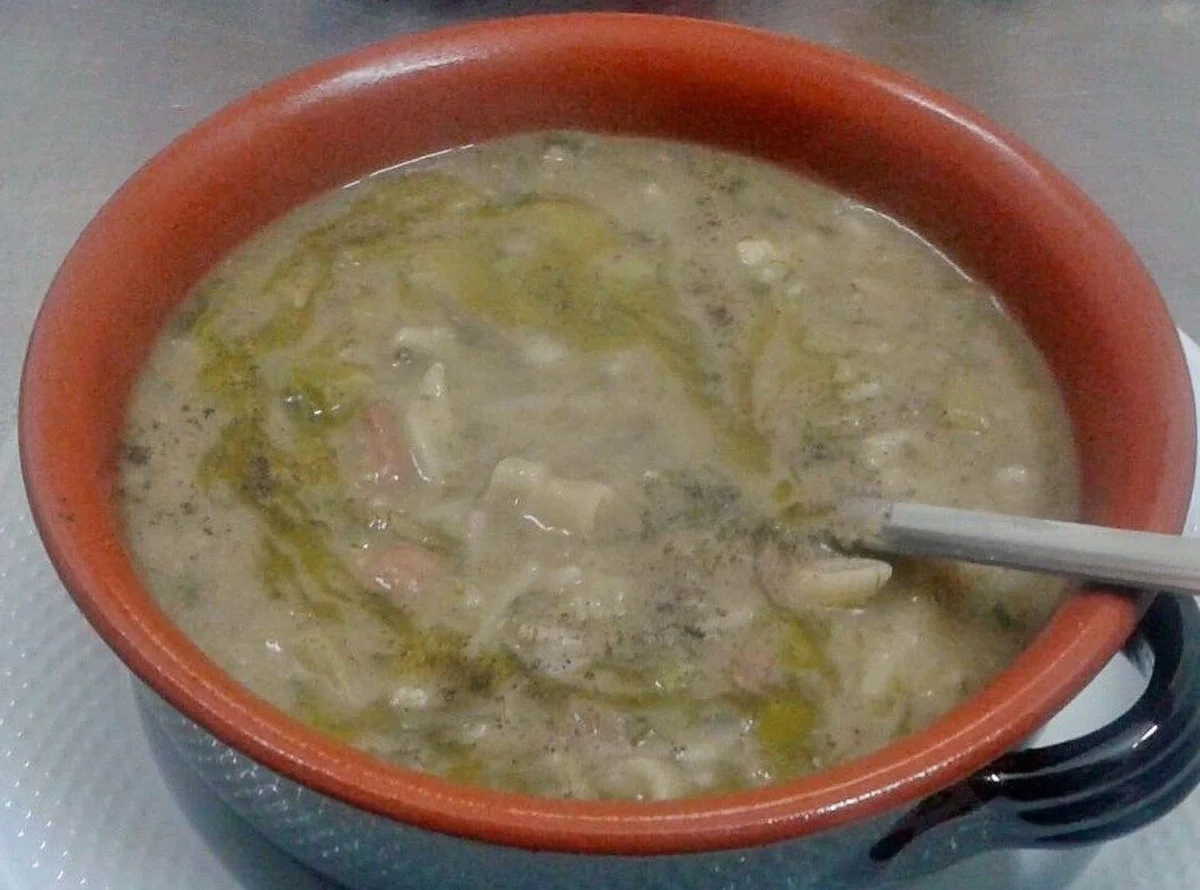
Saint Joseph’s Soup (Italian Recipe for 19 March)
Authentic Saint Joseph’s Soup from Agrigento: traditional Sicilian bean and vegetable soup with pasta, served on 19 March.
📖 What is it
Authentic Saint Joseph’s Soup from Agrigento: traditional Sicilian bean and vegetable soup with pasta, served on 19 March.
🛒 Ingredients
- ✓ 100g dried borlotti beans
- ✓ 100g lentils
- ✓ 500g mixed vegetables
- ✓ 100g dried broad beans
- ✓ 100g chickpeas
- ✓ a large celery stalk
- ✓ 2 large carrots
- ✓ 1 large onion
- ✓ a small bunch of wild fennel
- ✓ 300g mixed short pasta
- ✓ salt
- ✓ freshly ground black pepper
- ✓ extra virgin olive oil
📊 Nutritional Information
Saint Joseph’s Soup is a traditional Italian bean and vegetable soup prepared on 19 March for St Joseph’s Day. Made with mixed pulses, seasonal vegetables and short pasta, it is a hearty, slow-simmered minestra rooted in Sicily's culinary heritage. This dish symbolises gratitude, abundance and communal sharing in Sicily.
👨🍳 Preparation
- 1
Soak the dried beans and pulses overnight in water with a pinch of bicarbonate of soda.
- 2
The next day, rinse them thoroughly under cold running water and set aside.
- 3
Peel and finely chop the onion, then roughly chop the celery and carrots.
- 4
Gently sweat these in a pan to make a soffritto, then add the soaked pulses and cover with water. Simmer gently.
- 5
Meanwhile, wash and chop the mixed vegetables into bite-sized pieces.
- 6
Once the pulses are tender, stir in the vegetables and season with salt.
- 7
Let it cook for another half hour, stirring occasionally.
- 8
Add the mixed short pasta along with some broken spaghetti pieces and cook until al dente.
- 9
Serve the minestra piping hot, drizzled with extra virgin olive oil and a grind of black pepper.
🧠 Why It Works
St Joseph’s Soup achieves depth through the calibrated cooking of different pulses with staggered softening times. Borlotti beans, chickpeas, lentils and dried broad beans release starch progressively, naturally thickening the broth without added cream or flour. The soffritto of onion, carrot and celery builds aromatic sweetness, while wild fennel introduces a distinctly Sicilian herbal-anise note that lifts the earthy legumes. Cooking the pasta directly in the soup allows it to absorb flavour and contribute further starch, creating a cohesive structure. The final drizzle of extra virgin olive oil enhances mouthfeel and carries volatile aromas, resulting in a territorially coherent, nutritionally dense and seasonally appropriate festive soup.
🛠️ Troubleshooting
Why are my beans still firm after long cooking?
They may be old or insufficiently soaked. Soak for at least 12 hours and simmer gently without adding salt until tender.
The soup is too thick after resting. What should I do?
Legumes and pasta continue absorbing liquid. Add hot water or light vegetable stock gradually while reheating to restore balance.
The flavour feels flat. How can I enhance it?
Adjust salt carefully and finish with high-quality extra virgin olive oil and freshly ground black pepper to intensify aroma.
Can I freeze Saint Joseph’s Soup?
Yes, preferably without pasta. Cook and add fresh pasta when reheating to preserve texture.
💡 Tips and Variations
- •
For an extra indulgent touch, finish with a drizzle of good-quality olive oil and some toasted rustic bread croutons.
- •
Using a terracotta pot can really enhance the flavours and ensures a slow, even cook.
- •
The recipe centres on pulses; for a vegetarian twist, swap some of the beans for fresh mushrooms to add an earthy depth.
- •
To boost the umami, try stirring in a teaspoon of tomato purée or a pinch of kombu seaweed during cooking.
- •
For a vegan and gluten-free version, stick to pulses and vegetables only, avoiding any pasta or croutons containing gluten.
- •
The secret to this minestra lies in the slow, gentle simmering that melds all the flavours into a comforting, rich broth.
📦 Storage
- • Store any leftovers in an airtight container in the fridge for up to three days to keep the flavours fresh.
- • For longer storage, freeze in individual portions so you can enjoy it whenever you fancy, up to two months.
- • When reheating, warm it gently and add a splash of water or stock to keep the soup silky and prevent it drying out.
🍷 Pairing
A Sicilian Cerasuolo di Vittoria offers balanced tannins and vibrant red fruit, complementing the earthy pulses without overwhelming the dish. An Etna Rosso brings volcanic minerality and elegant acidity that enhance the wild fennel’s herbal profile. For an option from Southern Italy, a Campanian Taurasi provides structured depth and firm tannins, pairing beautifully with the soup’s dense, rustic character.
❓ F.A.Q.
What is Saint Joseph’s Soup?
Saint Joseph’s Soup is a traditional Sicilian minestra made with mixed beans, vegetables and pasta, prepared on 19 March to celebrate St Joseph’s Day.
Why is this soup eaten on St Joseph’s Day?
In Sicily, legumes symbolise providence and abundance. The soup is served on 19 March as part of St Joseph’s altars and family gatherings.
Is Saint Joseph’s Soup vegetarian?
Yes. The authentic recipe is vegetarian and can easily be made vegan, as it relies on pulses, vegetables, pasta and olive oil.
Can I make Saint Joseph’s Soup without pasta?
Yes. For a gluten-free version, omit the pasta and increase the quantity of vegetables or pulses to maintain texture.
Can this Sicilian bean soup be prepared in advance?
Absolutely. It often tastes even better the following day, once the flavours of the legumes and wild fennel have fully developed.
🏛️ History and Tradition
Saint Joseph’s Soup is one of the most symbolic dishes prepared in Sicily on 19 March, the Feast of St Joseph. Rooted in rural devotion, it reflects gratitude for protection and sustenance. In Agrigento and across the island, elaborate St Joseph’s altars are decorated with bread, legumes and seasonal produce. The soup, built around humble pulses and garden vegetables, represents abundance through simplicity. It embodies Sicilian cucina povera and the enduring link between faith, agriculture and communal identity.
Making San Giuseppe’s Minestra is like inviting a little slice of Sicily into your home – steeped in tradition and bursting with authentic flavours. I warmly encourage you to give this recipe a go and share it with your loved ones; there’s nothing quite like gathering around the table over a bowl of something truly special. Do share your experience and spread the joy of this wonderful Sicilian classic!
Rate this recipe
Click or tap the stars to rate