
Ricette di Sicilia
Cibo, cultura e tradizioni siciliane
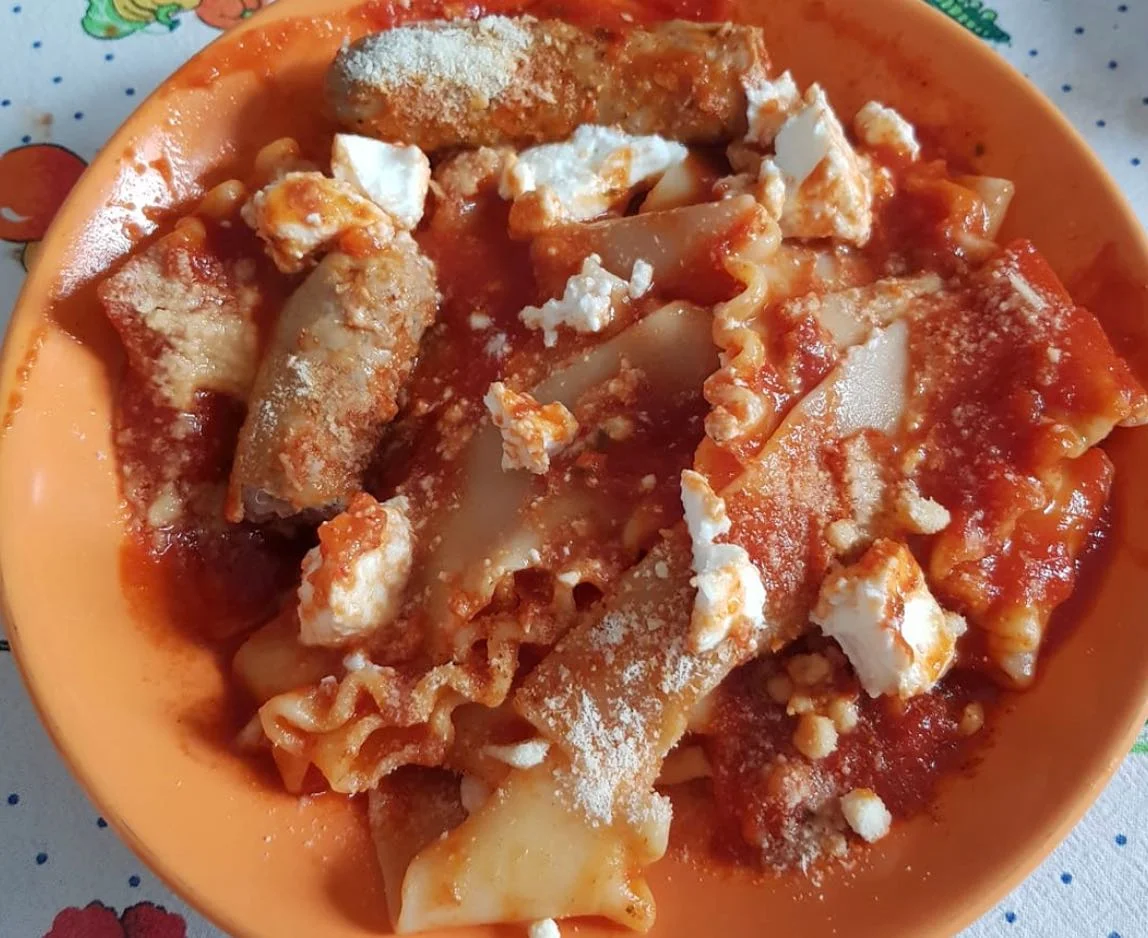
Lasagne Cacate: Sicily’s Bold and Beautiful Festive Classic
Discover the authentic recipe for Lasagne Cacate, a sumptuous Sicilian meat lasagne from Modica and Palermo, crafted for celebrations with a rich ragù and silky ricotta.
📖 What is it
Discover the authentic recipe for Lasagne Cacate, a sumptuous Sicilian meat lasagne from Modica and Palermo, crafted for celebrations with a rich ragù and silky ricotta.
🛒 Ingredients
- ✓ 250g sheep’s ricotta
- ✓ 500g beef (chuck or silverside)
- ✓ 200g thick sausage for ragù
- ✓ 1 litre tomato passata
- ✓ 50g tomato purée
- ✓ 1 large onion
- ✓ 2 garlic cloves
- ✓ 1 glass white wine
- ✓ A sprig of basil
- ✓ Extra virgin olive oil
- ✓ Salt, to taste
- ✓ Freshly ground black pepper
- ✓ 250g semolina flour
- ✓ 100ml hot water
📊 Nutritional Information
Dive into the heady aromas of Modican tradition with these lasagne cacate, a dish steeped in family stories and festive Sicilian gatherings. The hearty ragù combined with creamy sheep’s ricotta creates a flavour harmony that awakens the senses and honours the warm conviviality of our Christmas tables.
👨🍳 Preparation
- 1
Make the pasta: heap the flour into a well, gradually pour in the boiling water and stir with a fork until a smooth dough forms.
- 2
Knead vigorously until you have a smooth ball, cover with cling film and leave to rest for 20 minutes.
- 3
Roll out the dough with a rolling pin to about 2mm thick, then cut into strips roughly 3cm wide.
- 4
Prepare the sauce: slice the onion, chop the sausage, and brown the beef in a pan with extra virgin olive oil.
- 5
Once the meat is golden, season with salt and deglaze with white wine, letting it evaporate completely.
- 6
Remove the meat and sausage, add more oil and the chopped onion; gently soften without browning.
- 7
Return the meat to the pan along with the tomato passata, diluted tomato purée, minced garlic and basil.
- 8
Simmer gently for about two and a half hours, adding hot water if needed. Stir in the sausage half an hour before the end.
- 9
Take out the meat and basil, shred the meat finely, then return it to the sauce to blend flavours.
- 10
Cook the pasta, drain and toss with the ragù. For each portion, add a piece of sausage and two spoonfuls of ricotta.
- 11
Serve piping hot, finished with a sprinkle of Sicilian pecorino and freshly ground black pepper.
💡 Tips and Variations
- •
For a more aromatic ragù, add a splash of local red wine during cooking to deepen the flavour.
- •
If you prefer a creamier finish, mix the ricotta with a light homemade béchamel for a silky texture.
- •
The star of this dish is the pecorino cheese, lending a rich creaminess and bold flavour.
- •
For a lighter twist, swap sheep’s ricotta for cow’s ricotta or tofu for a vegan-friendly version.
- •
To boost umami, try lightly toasting the ragù before assembling the lasagne to intensify the aromas.
- •
For a gluten-free option, use pasta sheets made from rice or maize flour.
- •
The secret lies in slow-cooking the ragù and choosing top-quality ingredients, making every mouthful unforgettable.
📦 Storage
- • Store the lasagne in an airtight container in the fridge for up to two days to keep flavours and texture intact.
- • Reheat gently in a moderate oven or a non-stick pan with a splash of sauce to prevent drying out.
- • Avoid freezing to preserve the delicate ricotta and overall structure of the dish.
🍷 Pairing
Pair these lasagne cacate with a Sicilian red like Nero d’Avola, whose structure and soft tannins perfectly balance the dish’s richness. Alternatively, a fresh, fruity Frappato offers a delightful contrast. If you want to venture beyond Sicily, a classic Tuscan Chianti or an Alto Adige Pinot Noir are excellent choices to elevate every bite.
Making lasagne cacate is like stepping into a treasure trove of Sicilian heritage and flavour — perfect for sharing special moments with loved ones. I warmly encourage you to give this recipe a go at home; it’s a wonderful way to bring a touch of Sicily’s heart and soul to your table. Don’t forget to share it with family and friends — good food tastes even better when enjoyed together.
Rate this recipe
Click or tap the stars to rate