Ricette di Sicilia
Cibo, cultura e tradizioni siciliane
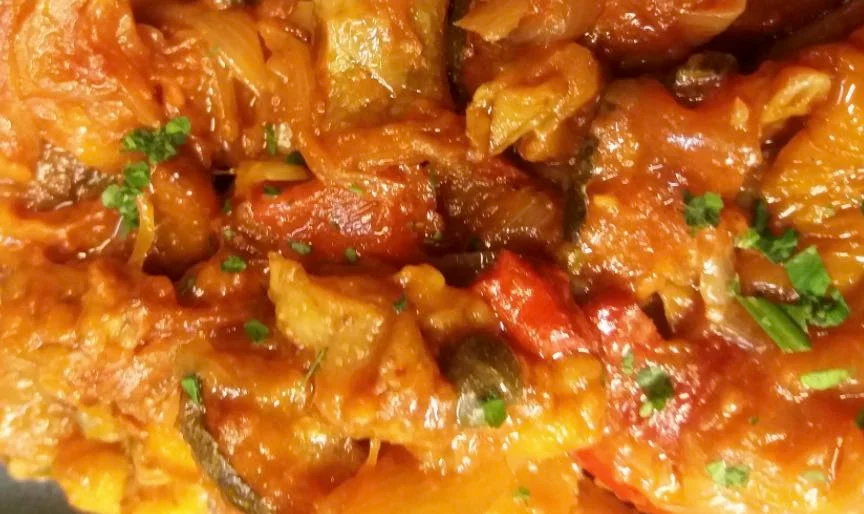
Apple Caponata Palermo: A Delicate Twist on Sicily’s Sweet and Sour Classic
Discover apple caponata Palermo, a refined Sicilian side blending sweet apples with traditional caponata’s tang. Perfect for autumn and elegant starters.
📖 What is it
Discover apple caponata Palermo, a refined Sicilian side blending sweet apples with traditional caponata’s tang. Perfect for autumn and elegant starters.
🛒 Ingredients
- ✓ 800g apples (preferably Bramley or Golden Delicious)
- ✓ 100g pitted green olives
- ✓ 3 red onions
- ✓ 3 celery stalks
- ✓ 1 tablespoon desalinated capers
- ✓ 4 tablespoons white wine vinegar
- ✓ 2 tablespoons caster sugar
- ✓ extra virgin olive oil, as needed
- ✓ salt and freshly ground black pepper, to taste
📊 Nutritional Information
Apple caponata Palermo is a refined Sicilian side dish that reinterprets the classic sweet and sour flavours of Palermo with the natural sweetness of autumn apples. This dish embodies the seasonal bounty of Sicily, offering a fresh, balanced taste ideal for pairing with meats, cheeses, or as a standalone starter, showcasing authentic regional culinary heritage.
👨🍳 Preparation
- 1
Trim the celery and slice into rounds, then blanch in salted boiling water for 10 minutes. Drain and set aside.
- 2
Thinly slice the onions and gently soften them in a pan with extra virgin olive oil until translucent. Remove from the pan and set aside.
- 3
Peel and dice the apples into even cubes, then sauté them in the same pan with the onion juices until golden.
- 4
Return the onions to the pan along with the celery, olives, and capers, stirring to combine all the flavours.
- 5
Dissolve the sugar in the vinegar and pour into the pan, turning up the heat to let the sharpness evaporate slightly.
- 6
Allow the mixture to simmer for a few minutes, then remove from the heat and leave the apple caponata to cool for at least half an hour.
- 7
Serve at room temperature as a side dish or a refined starter.
🧠 Why It Works
This apple caponata achieves harmony through the interplay of gently sautéed apples and softened red onions, which provide natural sweetness and depth. The blanching of celery preserves its crispness, balancing the softness of the fruit and onions. Green olives and desalinated capers introduce subtle briny notes, enhancing the dish’s complexity. The white wine vinegar and caster sugar create a nuanced sweet-and-sour profile that is quintessentially Sicilian, while slow simmering allows flavours to meld without overpowering the delicate apple base. The use of extra virgin olive oil adds richness and ties the ingredients to Sicily’s gastronomic identity.
🛠️ Troubleshooting
Why is my apple caponata too sour?
If the vinegar is overpowering, reduce its quantity slightly or increase the sugar to balance acidity. Simmering longer can also mellow sharpness.
How can I prevent the apples from becoming mushy?
Sauté apples gently until golden but still firm, and avoid overcooking during simmering. Using firmer apple varieties like Bramley helps maintain structure.
What can I do if the caponata tastes bland?
Ensure adequate seasoning with salt and freshly ground black pepper, and include desalinated capers and olives to enhance umami. A pinch of finely chopped Taggiasca olives can add depth.
Can I freeze apple caponata?
Freezing is not recommended as it may alter the dish’s delicate balance and soften the apples excessively. Refrigeration is preferred for maintaining quality.
How to reheat apple caponata without losing flavour?
Reheat gently on low heat just until warmed through, or serve at room temperature to preserve the fresh aromatic profile.
💡 Tips and Variations
- •
For a richer version, add toasted pine nuts and sultanas to introduce crunch and natural sweetness.
- •
If you prefer a bolder flavour, try swapping some of the apples for aubergine or pumpkin to keep a nod to Sicilian tradition.
- •
Serve the caponata on crisp crostini or alongside mature cheeses for a delightful contrast of textures and tastes.
- •
Use a sharp knife to slice the apples evenly for consistent cooking.
- •
To enhance the umami, sprinkle in a pinch of desalinated capers or finely chopped Taggiasca olives.
- •
For a vegan and gluten-free option, ensure all ingredients are fresh and free from additives.
- •
The secret to this recipe lies in the slow, patient cooking that perfectly balances sweet and sour notes.
📦 Storage
- • Store the caponata in an airtight container in the fridge, where it will keep beautifully for 3-4 days.
- • Bring it back to room temperature before serving to fully appreciate the flavours and aromas.
- • Make it a day ahead — the flavours will meld beautifully, making it even tastier.
🍷 Pairing
A Nero d’Avola Riserva from Sicily, with its supple tannins and ripe fruit character, complements the sweet and sour nuances of the apple caponata, enhancing the dish’s layered flavours. A Frappato Sicilia DOC, light-bodied and aromatic with fresh red berry notes, accentuates the freshness and crispness of the apples and celery. For an international or Southern Italian alternative, a young Chianti Classico offers bright acidity and moderate tannins that harmonise with the caponata’s acidity, while a French Pinot Noir brings elegant red fruit aromas and subtle earthiness, providing a refined balance to the dish’s complexity.
❓ F.A.Q.
Can I prepare apple caponata in advance?
Yes, apple caponata benefits from resting for at least half an hour and can be made a day ahead. This resting period allows the flavours to meld and intensify, enhancing the overall taste.
What apples are best for Sicilian-style caponata?
Bramley or Golden Delicious apples are ideal due to their balance of sweetness and acidity, which complements the traditional sweet-and-sour profile of Palermo’s caponata.
How should I store apple caponata to maintain freshness?
Store the caponata in an airtight container in the refrigerator for up to 3-4 days. Bring it back to room temperature before serving to fully appreciate its aromatic complexity.
Can I substitute ingredients to make the dish vegan or gluten-free?
This recipe is naturally vegan and gluten-free when using fresh, additive-free ingredients. Ensure olives and capers are free from preservatives to maintain purity.
What is the best way to achieve the right balance of sweet and sour in caponata?
Dissolving caster sugar in white wine vinegar and gently simmering the mixture allows the sharpness to mellow while preserving acidity, creating the classic Sicilian sweet-and-sour equilibrium.
🏛️ History and Tradition
Caponata is a quintessential Sicilian dish originating from Palermo, traditionally a sweet and sour vegetable stew highlighting eggplant and local produce. Historically, it reflects Sicily’s multicultural influences, blending Arab, Spanish, and Mediterranean culinary traditions. Apple caponata is a modern variation that respects this heritage by incorporating seasonal autumn fruit, maintaining the classic balance of acidity and sweetness. This evolution underscores Sicily’s dynamic gastronomic identity, where innovation and tradition coexist, especially during harvest seasons when fresh produce inspires new interpretations.
Making apple caponata is like bringing a genuine slice of Sicily to your table — simple yet full of balanced, inviting flavours. I warmly encourage you to give this fragrant dish a go at home and share it with your loved ones. It’s the kind of recipe that sparks joy and conversation, so don’t forget to spread the love and the taste of Palermo’s tradition!
Rate this recipe
4.9/5 (0)
Click or tap the stars to rate