Ricette di Sicilia
Cibo, cultura e tradizioni siciliane
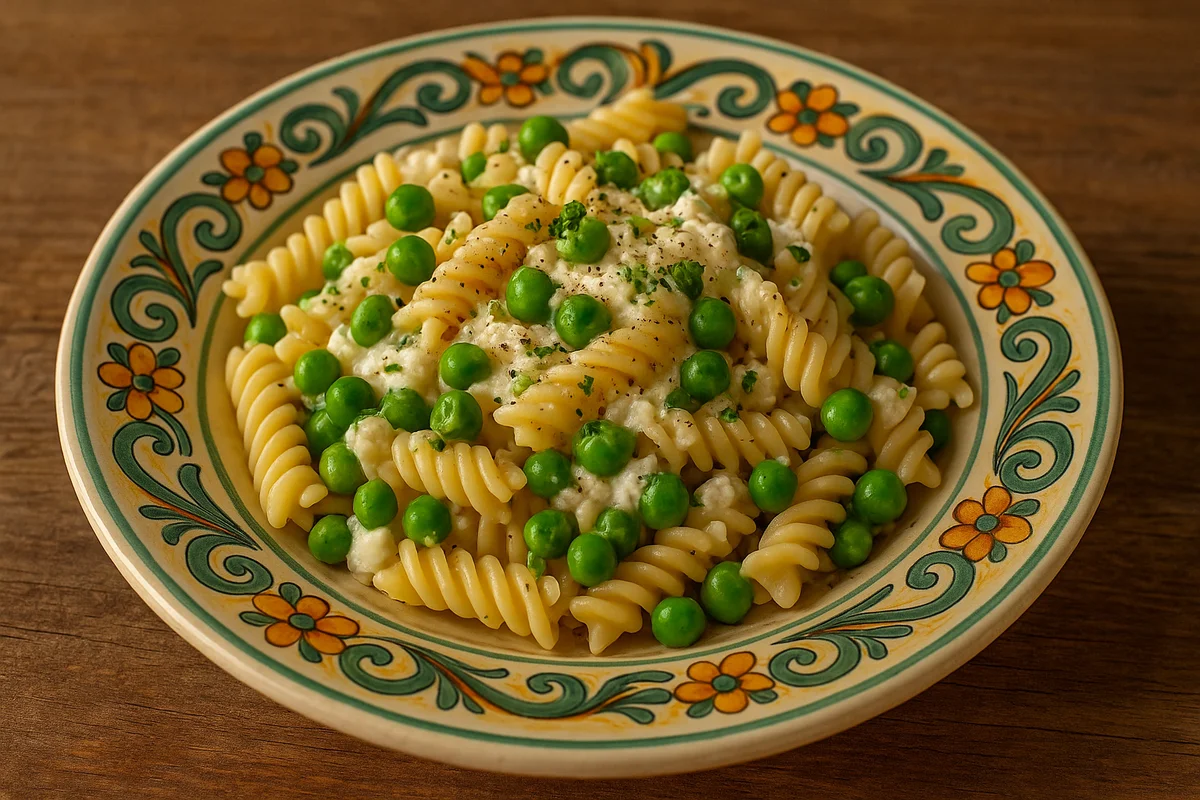
Sicilian Pasta with Ricotta and Peas: Fresh Spring Flavours
Discover Sicilian pasta with ricotta and peas, a springtime classic blending creamy ricotta and sweet peas for an authentic taste of Sicily.
📖 What is it
Discover Sicilian pasta with ricotta and peas, a springtime classic blending creamy ricotta and sweet peas for an authentic taste of Sicily.
🛒 Ingredients
- ✓ 320g pasta of your choice
- ✓ 250g ricotta cheese
- ✓ 300g peas
- ✓ 2 shallots
- ✓ extra virgin olive oil
- ✓ salt
- ✓ freshly ground black pepper
📊 Nutritional Information
Sicilian pasta with ricotta and peas is a traditional springtime dish that celebrates the island’s fresh produce and culinary heritage. This recipe highlights the creamy ricotta cheese paired with sweet peas, evoking the vibrant markets and joyful gatherings of Sicily during its finest season. Perfect as a light yet satisfying first course, it embodies the essence of Sicilian gastronomy.
👨🍳 Preparation
- 1
Begin by peeling the shallots and slicing them thinly. Warm a splash of extra virgin olive oil in a small saucepan and gently soften the shallots until tender.
- 2
Season with a pinch of salt and freshly ground black pepper, then stir in the peas. Pop a lid on and let them simmer gently for about 30 minutes, adding a splash of water during cooking as needed. Ensure the peas are soft and cooked through before removing from the heat.
- 3
Meanwhile, bring a large pan of salted water to the boil and cook your pasta according to the packet instructions, aiming for a lovely al dente bite.
- 4
While the pasta is cooking, place the ricotta in a non-stick frying pan over a low heat. Use a fork to break it down into a creamy texture. Drizzle in a little olive oil and add 1 to 2 ladlefuls of the pasta cooking water, stirring continuously until you have a smooth, luscious sauce.
- 5
Drain the pasta and tip it into the pan with the ricotta cream. Toss well, ensuring every strand is lovingly coated.
- 6
Serve the pasta topped with 3 to 4 spoonfuls of the peas — or fold them through the ricotta sauce first if you prefer. Finish with a scatter of freshly ground black pepper and bring to the table for everyone to enjoy.
🧠 Why It Works
The dish balances the natural sweetness of peas with the rich creaminess of ricotta, creating a harmonious flavour profile. Slow cooking the peas with shallots in olive oil enhances their natural sugars and softens them perfectly, while the ricotta sauce, enriched with pasta water, achieves a smooth, luscious consistency. The al dente pasta provides a subtle bite that contrasts with the softness of the sauce, and the seasoning with salt and freshly ground black pepper adds depth without overpowering the delicate ingredients. This interplay of flavours and consistencies reflects the simplicity and authenticity of Sicilian spring cuisine, where freshness and balance are paramount.
🛠️ Troubleshooting
What if the ricotta sauce is too thick or dry?
Add a little reserved pasta cooking water gradually while stirring to loosen the sauce and achieve a smooth, creamy finish.
How to avoid peas becoming mushy during cooking?
Simmer peas gently with shallots and monitor cooking time closely, adding water sparingly to soften without breaking down the peas completely.
Can I substitute shallots with another ingredient?
Mild onions or spring onions can be used, but shallots provide a subtle sweetness that complements the peas best in this traditional recipe.
What causes the pasta to lose its bite when mixed with ricotta sauce?
Overcooking pasta or mixing it too early with the sauce can soften it excessively; cook pasta al dente and combine just before serving.
How to store fresh peas to maintain their flavour for this dish?
Keep fresh peas in a breathable container or bag in the refrigerator and use within three days to preserve their natural sweetness and firmness.
💡 Tips and Variations
- •
For an extra special touch, grate over some mature Sicilian pecorino cheese, which adds a wonderfully rich and aromatic depth.
- •
If you like a fresh, herbal note, toss in a few fresh mint leaves, gently torn to release their fragrance and brighten the dish.
- •
To build even more flavour, add a minced clove of garlic alongside the shallots, cooking it gently to avoid overpowering the natural sweetness of the peas.
- •
Choose Sicilian durum wheat pasta shapes like casarecce or busiate, which cling beautifully to the creamy sauce.
- •
The secret lies in the slow cooking of the peas and the silkiness of the ricotta—take your time to soften the ingredients and stir patiently to create a velvety finish.
- •
For a vegan twist, swap the ricotta for a whipped cream made from silken tofu blended with a drizzle of olive oil and a pinch of nutritional yeast to give a lovely savoury umami flavour.
📦 Storage
- • Store any leftovers in an airtight container in the fridge at around 4°C, ideally enjoying within two days to keep the freshness and creaminess intact.
- • To refresh the pasta, gently reheat it in a non-stick pan with a splash of water or vegetable stock, stirring carefully so the ricotta sauce doesn’t stiffen.
- • If you’re using fresh peas, keep them in a breathable bag or container in the fridge to preserve their flavour and texture for up to three days.
🍷 Pairing
A Grillo from the Contea di Sclafani region, with its crisp acidity and bright citrus notes, beautifully enhances the creamy ricotta and sweet peas, providing a refreshing contrast. The Trapani Insolia offers delicate floral aromas and balanced aromatics that complement the softness of the pasta without overwhelming it. For an elegant out-of-region choice, Verdicchio dei Castelli di Jesi delivers a light body and mineral freshness that amplifies the dish’s clean, simple flavours, creating a harmonious dining experience.
❓ F.A.Q.
Can I use frozen peas instead of fresh peas for this recipe?
Yes, frozen peas can be used if fresh peas are unavailable. Thaw them before cooking and reduce simmering time slightly to preserve their flavour and colour.
What pasta shapes work best with ricotta and peas in Sicilian cooking?
Traditional Sicilian pasta shapes like casarecce or busiate are ideal as their curves and grooves hold the creamy ricotta sauce and peas beautifully, enhancing each bite.
How can I make this dish vegan without losing its authentic Sicilian character?
Replace ricotta with whipped silken tofu blended with olive oil and nutritional yeast to mimic the creamy, savory profile while maintaining the dish’s fresh and light qualities.
Is this pasta suitable for springtime celebrations in Sicily?
Absolutely. This dish is emblematic of Sicilian spring, often enjoyed during family gatherings and festive occasions when fresh peas and ricotta are at their peak.
How should I reheat leftovers to preserve the creaminess of the ricotta sauce?
Gently reheat in a non-stick pan with a splash of water or vegetable stock over low heat, stirring carefully to prevent the ricotta from stiffening.
🏛️ History and Tradition
Sicilian pasta with ricotta and peas is a springtime staple rooted in the island’s agrarian traditions, where fresh, seasonal ingredients define the cuisine. Historically, peas and ricotta have been central to Sicilian cooking, symbolising renewal and abundance after winter. This dish reflects the island’s rural heritage and the importance of simple, honest food in communal celebrations. Often enjoyed during Easter and other spring festivals, it embodies the warmth and conviviality of Sicilian family tables, reinforcing the region’s culinary identity and cultural continuity.
I really hope you give this delightful Sicilian springtime pasta a go at home—it’s one of those dishes that’s as comforting as it is refreshing. Perfect for sharing with loved ones over a sunny lunch or a laid-back supper, it’s sure to bring a touch of Italian warmth and joy to your table. Don’t forget to savour every creamy, sweet bite and share your experience with friends and family—good food is, after all, best enjoyed together!
Rate this recipe
4.7/5 (142)
Click or tap the stars to rate