Ricette di Sicilia
Cibo, cultura e tradizioni siciliane
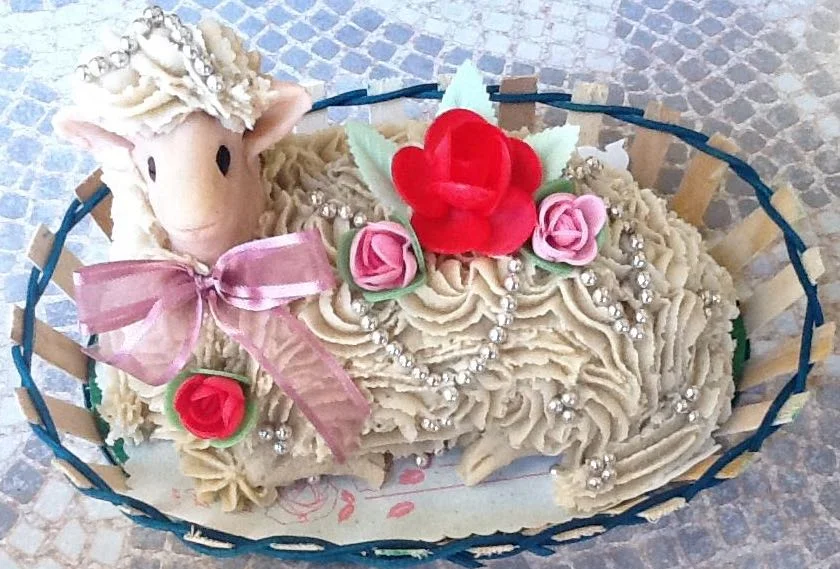
Favara Easter Lamb Cake: Authentic Sicilian Easter Delight
Discover the Favara Easter Lamb cake, a Sicilian Easter tradition blending almonds and pistachios in a fragrant, handcrafted dessert.
📖 What is it
Discover the Favara Easter Lamb cake, a Sicilian Easter tradition blending almonds and pistachios in a fragrant, handcrafted dessert.
🛒 Ingredients
- ✓ 1.4 kg icing sugar
- ✓ 1 kg pistachio nuts
- ✓ 1 kg almonds
- ✓ 500 ml water
📊 Nutritional Information
The Favara Easter Lamb cake is a traditional Sicilian dessert crafted from finely ground almonds and pistachios, symbolising Easter celebrations in Sicily. This sweet delicacy reflects the island’s rich culinary heritage and festive customs, offering a fragrant and authentic taste of Sicilian culture during the Easter season.
👨🍳 Preparation
- 1
Blanch the almonds and pistachios separately, then drain and pat them dry thoroughly.
- 2
Grind each into a fine, smooth flour.
- 3
In a small pan, bring 700 g of icing sugar and 250 ml of water to a boil to make a syrup.
- 4
Remove from the heat and stir in the almond flour until you have a smooth, firm paste. Repeat the process with the pistachio flour.
- 5
Line your Easter lamb mould with a layer of almond paste about 1 cm thick.
- 6
Fill the centre with the pistachio paste, then seal with another layer of almond paste, pressing gently to compact.
- 7
Allow the cake to rest and set in the mould for several hours, then carefully unmould.
- 8
Decorate as you wish with icing sugar, glaze, or delicate coloured paste details to bring your Easter lamb to life.
🧠 Why It Works
This cake’s success lies in the harmonious balance between the natural sweetness of almonds and the distinctive, slightly earthy flavour of pistachios. The syrup’s gentle cooking process ensures the nut flours bind into a firm yet tender paste, while the layering technique creates a refined aromatic structure. The interplay of sweetness, nutty richness, and subtle moisture results in a delicately fragrant dessert that honours Sicilian Easter traditions with territorial authenticity.
🛠️ Troubleshooting
Why does the almond paste become too hard after storage?
Storing the cake in a humid or refrigerated environment can cause the almond paste to harden. Keep it in a cool, dry place with good ventilation and avoid refrigeration to preserve softness.
What if the nut paste is too crumbly and doesn’t hold together?
Ensure the syrup is cooked to the correct consistency and mixed thoroughly with the nut flours. Grinding the nuts finely and blending slowly helps achieve a cohesive paste.
How can I fix a cake that tastes overly sweet or bland?
Adjust sweetness by slightly reducing icing sugar in the syrup or enhancing aromatic notes with almond extract or vanilla powder to balance flavour complexity.
Can I substitute pistachios with other nuts without losing authenticity?
While pistachios are traditional, substituting with walnuts or hazelnuts adds a different nuttiness but should be done sparingly to maintain the cake’s Sicilian identity.
What is the best method to unmould the cake without breaking it?
Allow the cake to rest and fully set in the mould for several hours. Gently loosen edges before carefully inverting to preserve the delicate structure.
💡 Tips and Variations
- •
For a richer flavour, add a few drops of natural almond extract or a pinch of vanilla powder to enhance the aromatic notes.
- •
Try a more elaborate decoration by adding coloured sugar beads or sprigs of fresh herbs to create a stunning Easter display.
- •
The base is an almond paste, balancing sweetness and softness perfectly; for a twist, replace some almonds with walnuts or hazelnuts for a nuttier character.
- •
For a vegan option, use unrefined sugar and water instead of honey or other animal-derived sweeteners, making sure to mix well for the right consistency.
- •
Use a powerful food processor to achieve a very fine nut flour, ensuring a silky-smooth paste.
- •
The secret lies in the slow blending of ingredients and the patient setting time in the mould, which delivers a delicate and fragrant result.
📦 Storage
- • Store the cake in a cool, dry place, away from sunlight or heat sources that could affect its texture.
- • Wrap it carefully in cling film or baking parchment to preserve the characteristic softness of the almond paste.
- • Avoid refrigerating, as moisture might harden the paste; a well-ventilated cupboard keeps it fresh and fragrant for several weeks.
🍷 Pairing
A Moscato di Pantelleria DOC, with its fragrant bouquet and balanced acidity, complements the Favara Easter Lamb’s sweet almond and pistachio notes perfectly. The passito from Noto DOC offers a rich, enveloping complexity with honeyed aromas that enhance the cake’s aromatic depth. Alternatively, a Tuscan Vin Santo DOC, known for its elegant sweetness and nutty undertones, or a Hungarian Tokaji with its vibrant acidity and persistent finish, provide refined international options that harmonise beautifully with this Sicilian Easter delicacy.
❓ F.A.Q.
What is the significance of the Favara Easter Lamb cake in Sicilian Easter celebrations?
The Favara Easter Lamb cake represents renewal and tradition in Sicilian Easter festivities, symbolising the lamb as a sign of purity and sacrifice, while showcasing local almonds and pistachios integral to the island’s gastronomy.
How can I ensure the almond and pistachio flours are finely ground for the cake?
Use a powerful food processor to grind blanched almonds and pistachios into a very fine flour, which is essential for achieving a smooth, cohesive paste that sets properly.
Can the Favara Easter Lamb cake be prepared in advance and how should it be stored?
Yes, it can be made several days ahead. Store it wrapped in cling film or baking parchment in a cool, dry place away from sunlight to maintain its softness and fragrance without refrigeration.
Are there variations to the traditional recipe that maintain its authenticity?
Variations include adding natural almond extract or vanilla powder to enhance aroma, or substituting some almonds with walnuts or hazelnuts for a nuttier profile, while preserving the cake’s traditional character.
Is there a vegan adaptation of the Favara Easter Lamb cake?
Yes, by using unrefined sugar and water instead of honey or animal-derived sweeteners, the cake remains authentic in flavour and suitable for vegan diets.
🏛️ History and Tradition
The Origins of the Easter Lamb of Favara
The Easter lamb of Favara is one of the most celebrated sweet traditions of Sicily and a distinctive symbol of the town itself, located in the province of Agrigento. Shaped in the form of a lamb, this confection embodies the Christian image of the Lamb of God, representing sacrifice, redemption and renewal. In Favara, however, the Easter lamb has grown beyond its religious symbolism to become an emblem of local identity and artisanal excellence.
Historical Roots and Convent Craftsmanship
Like many Sicilian sweets based on almonds and sugar, the Easter lamb can be traced back to the Arab period between the ninth and eleventh centuries, when almond cultivation and advanced sugar techniques flourished on the island. These culinary foundations were later refined within convent kitchens, where nuns developed remarkable skill in shaping almond paste into symbolic forms. Over time, these religious creations evolved into highly detailed edible sculptures prepared for Easter celebrations.
The Distinctive Character of Favara’s Easter Lamb
What sets the Easter lamb of Favara apart is its refined structure and carefully crafted filling. Made from finely worked marzipan, it traditionally encloses a heart of pistachio paste or delicately flavoured almond cream. The decoration is executed with precision, featuring hand-painted details, small sugar flowers and ornamental touches that elevate the sweet into a miniature work of art. Its aesthetic sophistication has contributed to its reputation across Sicily.
Religious Meaning and Festive Ritual
The lamb, as a central Christian symbol, represents Christ and the promise of resurrection. In Favara, the sweet occupies a place of honour on the Easter table. It is often prepared in the days leading up to the feast and given as a gesture of goodwill and blessing. In many households it remains on display before being shared, highlighting its symbolic importance as much as its flavour.
A Tradition That Endures Through Generations
Over the centuries, the Easter lamb has become woven into the cultural fabric of Favara. Local pastry shops guard their recipes and techniques, passing them down from one generation to the next. Each spring, its preparation renews a bond between past and present, reinforcing the town’s distinctive culinary heritage.
A Cultural Heritage of the Agrigento Area
The Easter lamb of Favara stands not merely as a seasonal dessert but as a testament to Sicily’s layered history. Through the combination of simple ingredients and highly skilled craftsmanship, it reflects the island’s capacity to transform religious tradition into enduring gastronomic art. Sharing it at Easter means participating in a ritual that has been renewed year after year for centuries.
This Favara Easter Lamb is more than just a dessert—it’s a delicious journey into Sicilian tradition that’s sure to impress and delight. Whether you’re celebrating a special occasion or simply fancy a bit of sweet indulgence, I encourage you to have a go at making this cake. Share it around with family and friends, and let the flavours and stories of Sicily bring a little extra warmth to your table.
Rate this recipe
4.9/5 (151)
Click or tap the stars to rate