Ricette di Sicilia
Cibo, cultura e tradizioni siciliane

Zucchini: characteristics, varieties and uses in Sicilian cuisine
Discover zucchini's role in Sicilian cuisine, its varieties, culinary uses, and tips for selecting and cooking this versatile Mediterranean vegetable.
March 1, 2026
Overview
Zucchini, known as courgette in the UK, is a staple of Mediterranean cooking and holds a cherished place in Sicilian cuisine. This tender summer squash is prized for its delicate flavour and versatility, lending itself beautifully to a range of dishes from simple sautés to hearty bakes. In Sicily, zucchini are celebrated not only for their taste but also for their cultural significance, appearing in traditional recipes that highlight the island’s rich agricultural heritage and vibrant culinary traditions.
Recipes using this ingredient
-
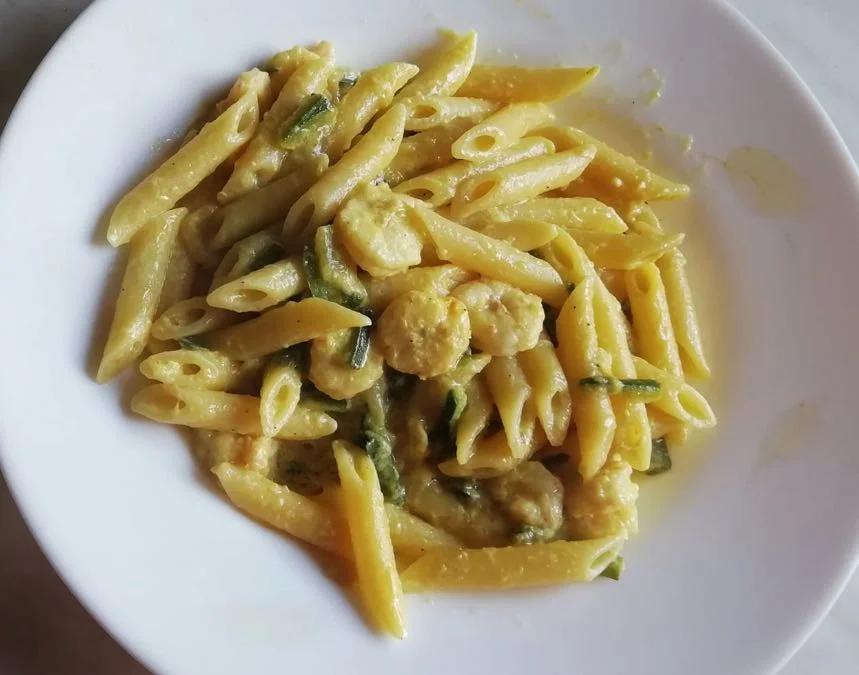 Sicilian Pasta with King Prawns and Saffron: A Coastal Classic
Discover authentic Sicilian pasta with king prawns, courgettes, and saffron. A fresh seafood dish blending Mediterranean flavours with seasonal vibrancy.
-
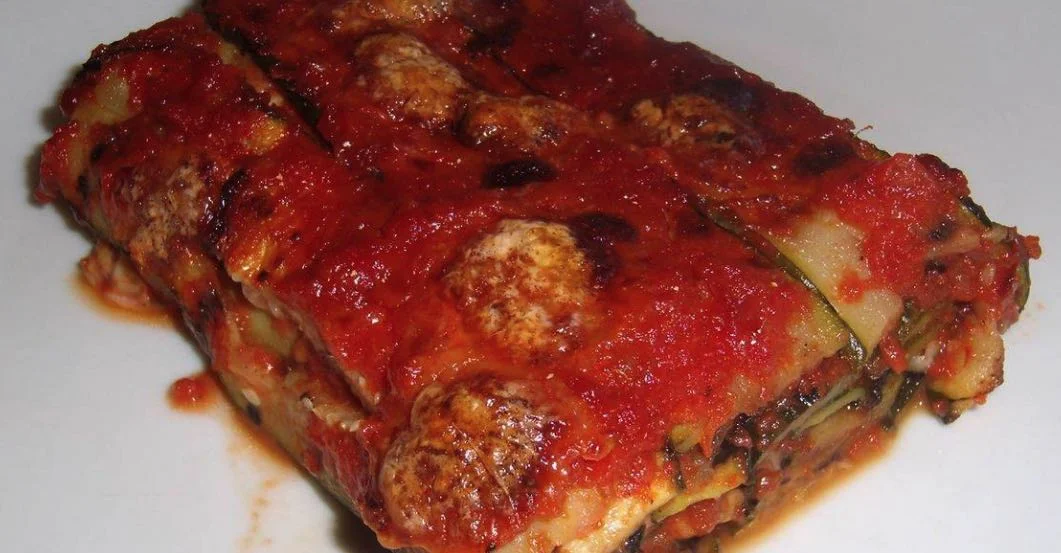 Courgette Parmigiana: A Summer Feast Bursting with Sicilian Colours and Flavours
Dive into the vibrant tastes of Sicilian summer with this irresistible courgette parmigiana – a dish that’s as colourful as it is delicious!
-
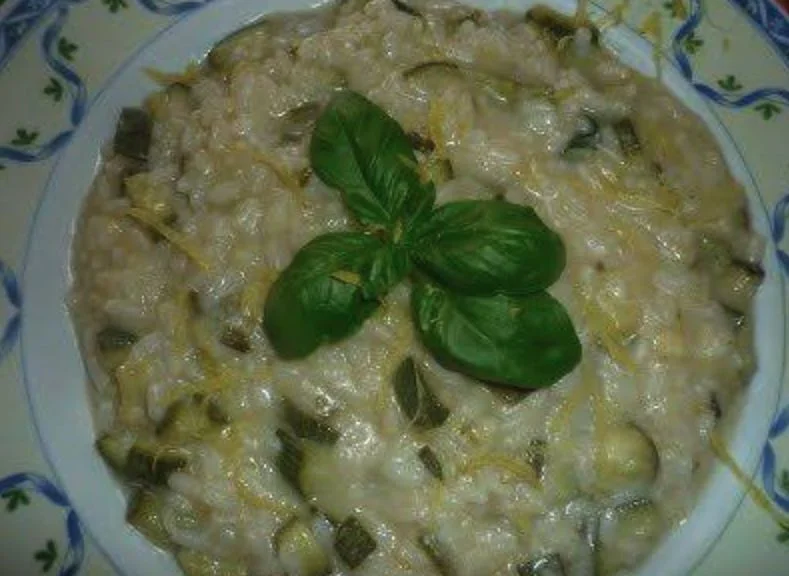 Courgette Risotto: A Springtime Delight Bursting with Sicilian Charm
Dive into this fresh and creamy courgette risotto, a light and authentic Sicilian first course that perfectly captures the essence of spring.
-
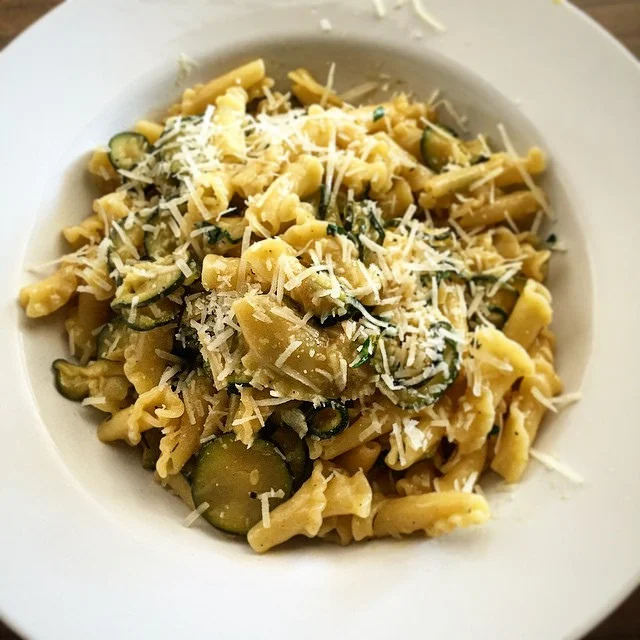 Pasta with Courgettes and Pecorino: A Quick, Creamy Classic
Discover how to whip up pasta with courgettes and pecorino — a simple, flavoursome dish ready in under an hour!
-
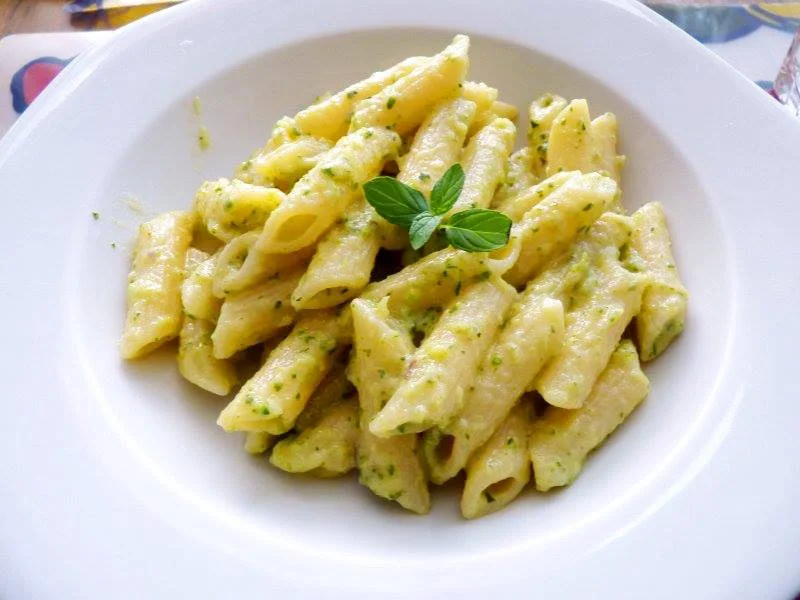 Pasta with Courgette and Caper Cream: A Fresh Taste of the Mediterranean
Whip up this silky pasta with courgette and caper cream—a delightfully light yet flavourful dish that captures the essence of Sicilian summer.
Origin and historical context
The zucchini’s origins trace back to the Americas, but it was in Italy, particularly Sicily, where this vegetable truly flourished and became integral to local diets. Introduced to Europe in the 16th century, zucchini adapted well to the Mediterranean climate. Sicilian farmers embraced its cultivation, especially in fertile areas like the plains around Palermo and the slopes of Mount Etna. Over centuries, zucchini became embedded in Sicilian food culture, often featured in peasant dishes that celebrate seasonal, fresh produce. Its popularity grew as it complemented the island’s abundant olive oil, fresh herbs, and seafood, forming the backbone of many traditional recipes.
Sensory properties
Zucchini are typically cylindrical and smooth-skinned, ranging in colour from deep green to pale yellow. Their flesh is tender and moist with a subtly sweet, slightly grassy flavour that intensifies when cooked. Unlike many squashes, zucchini have a thin skin and small seeds, making them ideal for eating raw or cooked. Their mild taste allows them to absorb surrounding flavours, which is why they pair so well with garlic, tomatoes, capers, and cheeses common in Sicilian cooking. When cooked, zucchini soften quickly but retain a pleasant texture, making them perfect for sautés, grilling, and baking.
Local varieties
Several zucchini varieties are cultivated in Sicily, each with unique qualities. The most common is the dark green ‘Nero di Milano’, prized for its firm texture and rich flavour. Another popular type is the lighter green or yellow ‘Romanesco’, known for its slightly nuttier taste. Sicily also grows the long, slender ‘Serpente di Sicilia’ or snake gourd, which is less common but valued for its delicate flavour and tender flesh. These varieties reflect the island’s diverse microclimates and agricultural traditions, offering cooks a range of options depending on the dish and season.
Seasonality
Zucchini are quintessential summer vegetables, with their peak season running from late spring through early autumn. In Sicily, the warm climate allows for an extended growing period, often from May until October. This abundance during the warmer months means zucchini feature prominently in Sicilian summer menus, celebrated for their freshness and ability to complement lighter, seasonal ingredients. Outside this period, zucchini can be found year-round in markets but are best enjoyed when freshly harvested in season for optimal flavour and texture.
Nutritional properties
Low in calories and high in water content, zucchini is a nutritious addition to any diet. It provides a good source of vitamins C and A, potassium, and dietary fibre, supporting hydration and digestion. The vegetable’s antioxidants contribute to overall health, while its mild flavour and versatility make it easy to incorporate into balanced Mediterranean meals. Zucchini’s low carbohydrate content also makes it popular in lighter, health-conscious cooking, aligning well with the fresh, vegetable-rich ethos of Sicilian cuisine.
Traditional culinary uses
In Sicilian cooking, zucchini are incredibly versatile. They are often sliced and fried to create crispy, golden fritters or used in vegetable medleys like the vibrant Sicilian Canazzo, a colourful side dish showcasing local produce. Zucchini also star in baked dishes such as the Courgette Parmigiana, layering tender slices with tomato sauce and cheese for a summer feast bursting with flavour. Pasta dishes frequently incorporate zucchini, as seen in recipes like Pasta with King Prawns, Courgettes and Saffron, where the vegetable’s subtle sweetness balances the seafood and aromatic saffron. Other favourites include creamy risottos and light frittatas, which highlight zucchini’s delicate texture and ability to absorb complementary flavours. For a taste of tradition, try the Zucchini and Cherry Tomato Fagottini, which wraps the vegetable in pasta for a delicious slice of Sicilian heritage.
How to choose and store
When selecting zucchini, look for specimens that are firm, with smooth, unblemished skin and a vibrant colour - whether deep green or pale yellow. Avoid those with soft spots or shrivelling, which indicate age or poor storage. Store zucchini in the refrigerator, ideally in a perforated plastic bag, and use within a few days to maintain freshness. For cooking, avoid peeling unless the skin is tough; it contains much of the vegetable’s nutrients and flavour. Zucchini cook quickly, so add them towards the end of sautéing or simmering to retain their texture. To reduce excess moisture in dishes like bakes or fritters, salt sliced zucchini and let them drain before cooking.
More recipes using this ingredient
-
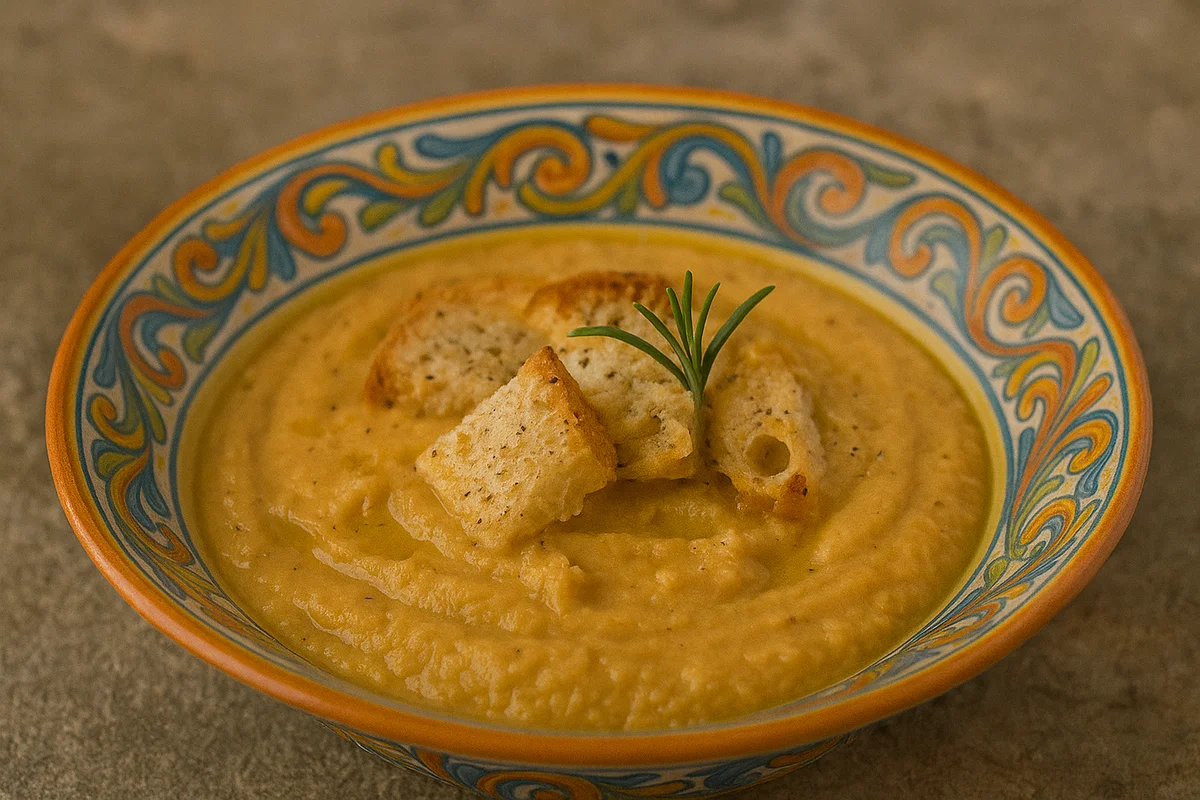 Sicilian Potato Soup: Traditional Winter Comfort from Sicily
Discover authentic Sicilian potato soup with ricotta and fresh vegetables. A warming winter recipe rich in Sicilian flavours and culinary heritage.
-
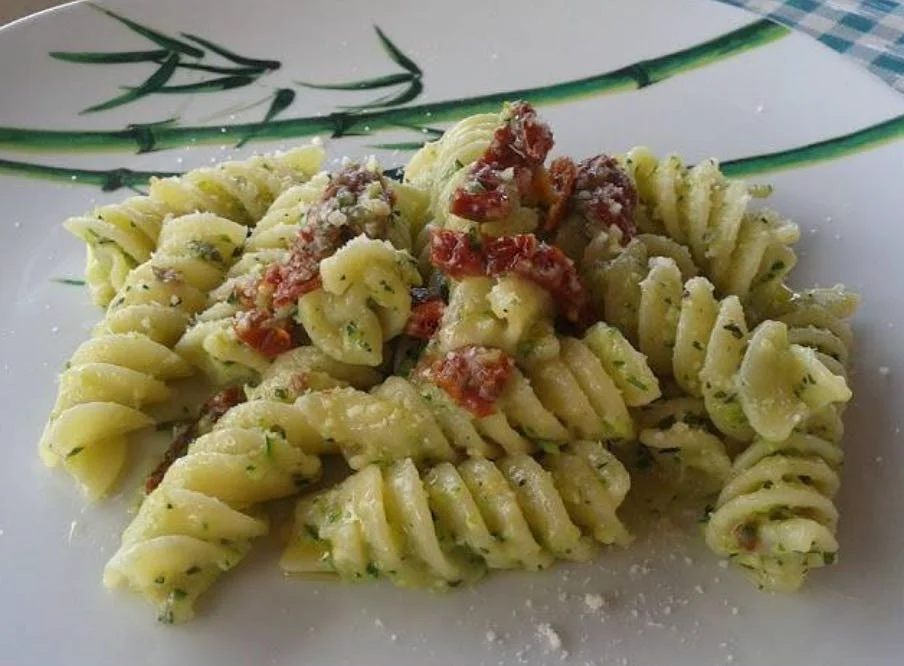 Pasta with Courgette and Sun-Dried Tomato Pesto: A Fresh Taste of Sicily
Learn how to whip up this simple, speedy Sicilian pasta tossed in a vibrant courgette and sun-dried tomato pesto, bursting with Mediterranean flavours!
FAQ
Are zucchini and courgettes the same thing?
Yes, zucchini and courgettes are the same vegetable. 'Zucchini' is the term commonly used in North America, while 'courgette' is used in the UK and parts of Europe.
How do I prevent zucchini from becoming watery when cooking?
To reduce wateriness, slice the zucchini, sprinkle with salt, and let it sit for 15-30 minutes to draw out excess moisture. Then pat dry before cooking.
Can zucchini be eaten raw?
Absolutely. Raw zucchini has a mild flavour and crisp texture, making it perfect for salads, crudités, or thinly sliced as a fresh garnish.
What are some traditional Sicilian dishes that use zucchini?
Traditional Sicilian dishes featuring zucchini include Courgette Parmigiana, Sicilian Canazzo, and Zucchini and Cherry Tomato Fagottini, all showcasing the vegetable’s versatility.
How should I store zucchini to keep it fresh?
Store zucchini in the fridge inside a perforated plastic bag to allow airflow. Use within 3-4 days for the best texture and flavour.
Related content
Ingredients
-
 Aubergines: properties, varieties and uses in Sicilian cuisine
Discover aubergines, their varieties, nutritional benefits and key role in Sicilian cuisine with traditional recipes and cooking tips.