Overview
Wine is a time-honoured alcoholic drink, born from the lengthy fermentation of grapes or grape must. The vine at its heart is the vitis vinifera, the common grapevine.
The word wine comes from the Latin vinum, a root shared across many European languages, reflecting the drink’s widespread appeal.
A Fortuitous Discovery
The vine grew wild long before humans appeared, who stumbled upon wine by chance when grapes were left to rest and ferment naturally.
Over time, people learned to cultivate and tame the vine, planting extensive vineyards.
A Brief Look at Sicilian Wine
Ancient vine cuttings have been uncovered in Neolithic Sicilian settlements, testifying to the island’s millennia-old winemaking tradition.
The use of wine as a drink is documented among the Elymians, one of Sicily’s earliest peoples.
Thanks to the Phoenicians and Greeks, who colonised the island, vine cultivation flourished and was later spread across Europe by the Romans.
Although wine took a backseat during Arab rule, Sicilian wine enjoyed a renaissance under the Normans, Aragonese, and Bourbons. However, in the last century, it was overshadowed by French and northern Italian wines.
This was partly due to the traditionally high alcohol content of Sicilian wines, which began to regain popularity in the 1970s, aided by modern cultivation and harvesting techniques.
Today, Sicily boasts over a hundred certified native vineyards, alongside a wealth of smaller local producers.
The island’s wine regions are generally divided into three areas, each traversed by “wine roads” – gastronomic routes celebrating local flavours.
Firstly, the Val di Mazara, home to the famous Marsala; then the Valdemone and Etna areas, known for Malvasia; and finally the Val di Noto, where Nero d’Avola thrives.
Venturing beyond the main island, the island of Pantelleria is renowned for its Passito DOP dessert wine.
Seasonality
Wine in all its forms is available year-round in supermarkets and specialist wine shops.
Types of Wine
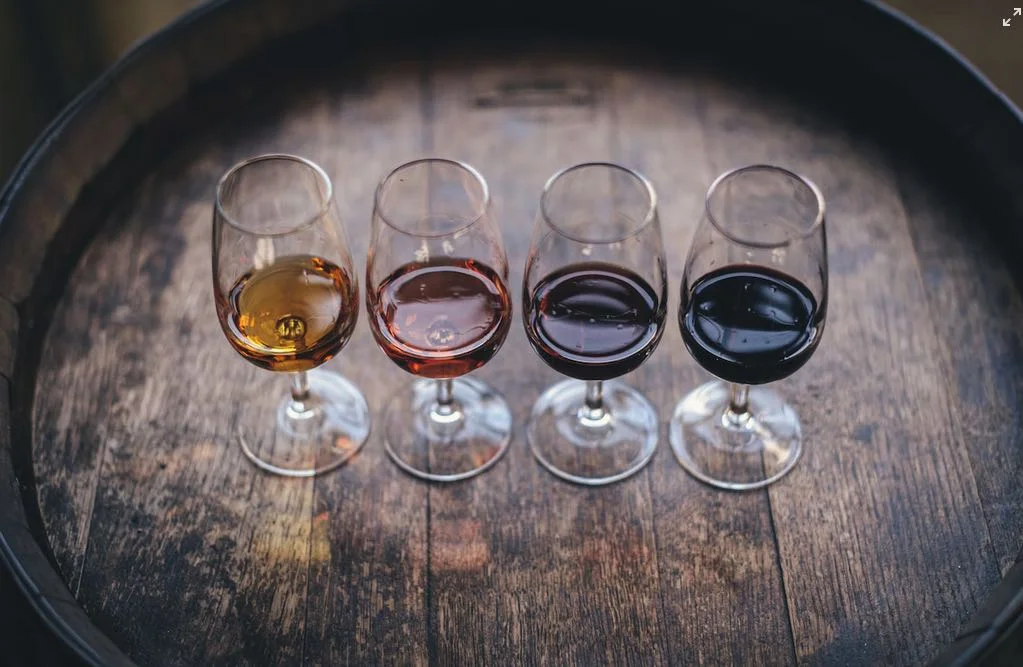
It’s almost impossible to catalogue Sicily’s vast wine landscape, but we can broadly classify wines by colour:
- White, made from white grapes (though some white wines are produced from black grapes).
- Red, created through fermentation of the grape must with skins.
- Rosé, where only a portion of the grape skins are left in contact with the juice, giving the wine its delicate pink hue.
Based on carbonation, wines fall into:
- Still wine, with no bubbles.
- Frizzante, lightly sparkling. Sparkling rosé wines fall into this category.
- Spumante, fully sparkling, achieved by adding yeasts and minerals for maximum effervescence.
There are further classifications, including organic wine, passito (sweet dessert wines), and barrique-aged varieties.
Use in the Kitchen
As an alcoholic beverage, wine is a natural partner to meals, with particular styles complementing different dishes.
Red wines pair beautifully with meats, while whites are a classic match for fish and seafood.
Certain wines are reserved for special moments, such as spumante, traditionally enjoyed at midnight celebrations.
But wine is not just for drinking – it’s an essential ingredient in many Sicilian recipes.
It features in first courses like seafood spaghetti or scampi linguine, and in main dishes such as veal roast with porcini mushrooms or sausages cooked in Nero d’Avola.
Wine also enriches desserts like cassatelle from Mirabella Imbaccari or ricotta-based fraviole from Messina.
Buying Tips
As we’ve seen, each wine has its ideal pairing and purpose.
When choosing, it’s wise to opt for trusted labels—even if pricier—as they often guarantee better quality.
Storing Wine
Once opened, it’s best to reseal the bottle with a proper stopper to preserve the wine’s aroma.
Red wine can be kept in a cupboard, while white wine is better stored in the fridge.