Overview
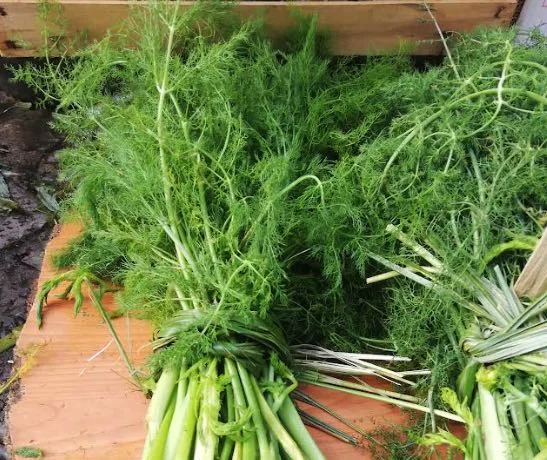
Wild fennel, known scientifically as Foeniculum vulgare var. dulce, is a wonderfully aromatic herbaceous plant native to southern Europe and western Asia.
It grows upright and can reach up to a metre tall, boasting delicate, feathery leaves of a soft blue-green hue. Bright yellow flowers bloom in umbrella-shaped clusters, spreading 20-30 cm across.
The parts most often used are the leaves, flowers, and seeds, all carrying that trademark fresh and aromatic scent. The seeds of wild fennel are prized as a spice in many cuisines worldwide—particularly Sicilian—where they flavour meats, fish, vegetables, and salads. The leaves and flowers serve as fragrant herbs or charming garnishes for various dishes.
Besides its culinary uses, this plant is also esteemed in herbal medicine for its digestive and anti-inflammatory properties. Research has even suggested it may possess antioxidant and anti-cancer potential.
That said, caution is advised when using wild fennel, as it can interact with some medications. Pregnant women are generally advised to avoid large quantities due to its potential to stimulate uterine contractions.
Seasonality
Wild fennel can be annual or perennial based on climate and soil conditions. Typically, its growing season varies by region.
Across continental Europe, it flowers between June and August, with seeds harvested in autumn once fully ripe. In Sicily, however, flowering can begin as early as May.
In warmer climates such as parts of Africa and Asia, the plant may thrive year-round, whereas in cooler temperate zones like central and northern Europe, it often dies back over winter.
Generally, wild fennel can be cultivated in any season, provided it’s given suitable environmental conditions and soil. It also flourishes wild in rural hedgerows and fields, with harvesting timed according to local growth cycles.
Cultivation
Wild fennel can be grown outdoors or in pots, depending on the grower’s preference and space.
The key is a sunny, well-drained spot with slightly acidic to neutral soil (pH 6-7). The plant demands plenty of light and cannot tolerate shade. A deep, fertile bed rich in humus is ideal.
Sowing can take place in spring or autumn, tailored to the climate and desired harvest. Plants should be spaced 20-30 cm apart to allow robust root and canopy development.
Regular watering is essential, especially in the early stages, but care must be taken to avoid waterlogging. Weeding is also important to prevent competition for nutrients.
Wild fennel is typically harvested in autumn when the seeds turn from green to brown, by cutting and drying the flower heads in a dry, airy spot.
Overall, it’s a hardy, straightforward plant to cultivate, though attentive care ensures good yield and quality.
How to Prepare Wild Fennel
Cleaning wild fennel involves removing the inedible roots and outer leaves, leaving only the tender, green inner stalks and leaves.
Follow these steps:
- Trim off the roots and outer leaves with a sharp knife.
- Gently separate the central stalk from the leafy fronds.
- Cut away any yellowed, dry, or damaged bits.
- Rinse under cold running water, softly rubbing the leaves to clear any dirt.
- Pick out the freshest, greenest leaves, chopping them if needed.
- Dry thoroughly using a clean cloth or kitchen roll.
Culinary Uses of Wild Fennel
Sicilian cuisine embraces this herb wholeheartedly, its unmistakable aroma adding depth and character to a variety of dishes.
The seeds, those fragrant fruits, are often used to season sausages and other meats.
The leaves and sprigs are essential in traditional recipes such as pasta con le sarde (pasta with sardines), pasta all’uminina, pasta chî masculini, and the fritteḍḍa madonita (also known as pitaggiu).
Tips for Buying Wild Fennel
Here are some handy pointers when hunting for wild fennel:
- Timing is everything: As a seasonal herb, fresh wild fennel is best sought between March and May, and again from September to November.
- Check for freshness: The herb should boast a strong, pleasant fragrance. Leaves ought to be bright green and flower heads lively yellow or green. Steer clear of wilted or yellowing foliage.
- Mind the origin: While wild fennel is grown in various countries, opting for Italian or European produce ensures adherence to strict hygiene and food safety standards.
- Shop specialising: Purchase from specialist herb or spice shops where freshness, quality, and provenance are more likely assured.
- Consider price: Wild fennel’s cost varies with seasonality, origin, and freshness—be wary of bargains that may mask inferior or poorly sourced products.
In essence, keeping an eye on freshness, origin, and quality helps guarantee a flavoursome and safe addition to your kitchen.
Storing Wild Fennel
Handled properly, wild fennel keeps well. Here are some handy storage tips:
- Refrigeration: The best way to preserve fresh wild fennel is in the fridge. After thorough cleaning and drying, wrap the herb in a damp cloth or kitchen roll and place it in a plastic bag. Stored this way, it can last up to a week.
- Freezing: For longer storage, freeze wild fennel. Once cleaned and dried, chop the leaves and pack them in freezer bags. They’ll keep well for up to three months.
- Drying: Another option is to dry the herb. Tie the leaves and flower heads into small bunches and hang them upside down in a cool, dry place. When completely dried, store in an airtight container away from light and moisture.
Overall, keeping wild fennel cool and dry, and away from heat or dampness, ensures it retains that signature aroma and flavour for as long as possible.