A Market That Wakes All the Senses
It isn’t every day that you step off a plane, leave behind London’s soft drizzle, and find yourself plunged into a world where colour, sound, and scent collide with theatrical intensity. Yet that is precisely what Catania’s legendary market does. The moment I followed my friend Paola into its maze of alleys, it felt as if I’d entered a vast Sicilian stage — one where fishmongers bellow like seasoned baritones and women haggle with the confidence of lifelong performers.
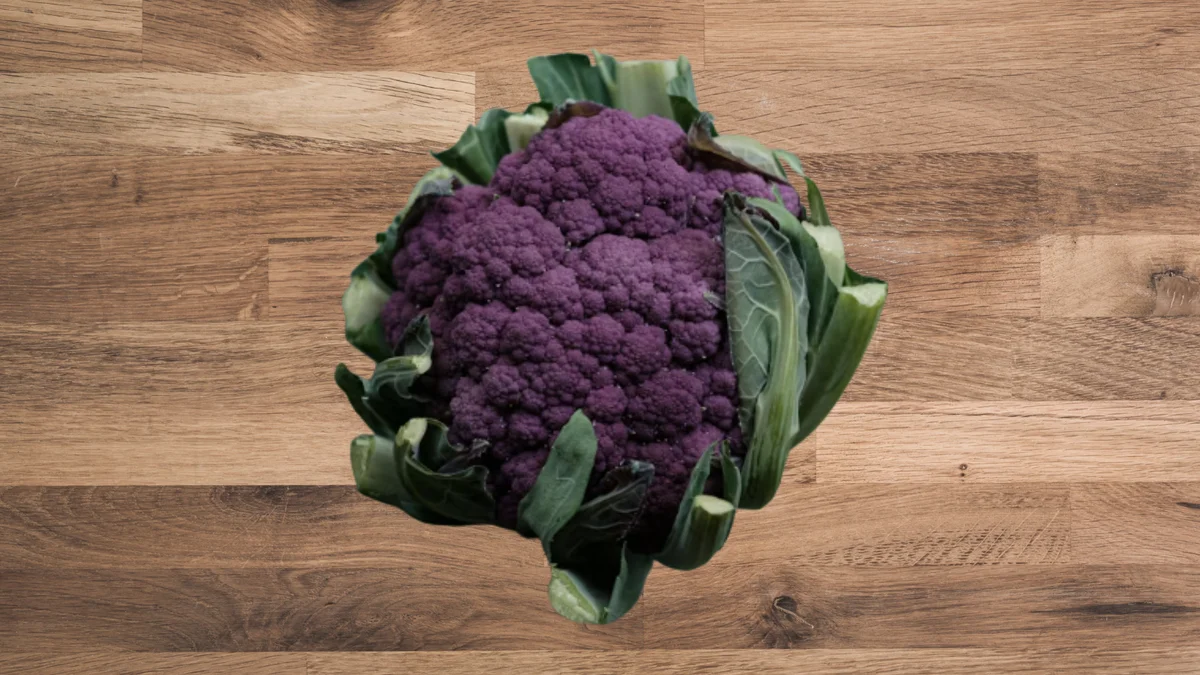
Between crates of glossy aubergines and the metallic sparkle of swordfish on ice, one colour stopped me in my tracks: a bold, unapologetic violet. Not the gentle pastel of spring or the regal shade woven into church vestments, but something richer, deeper, almost volcanic. It was the cavolfiore violetto — or, as the locals affectionately call it, bastaddu. A vegetable with the presence of a protagonist.
A Vegetable Forged in Fire
The violet cauliflower of the Piana di Catania is a child of extremes. Born between fertile volcanic soil and the briny kiss of the Ionian, it grows in fields where the earth itself is streaked with the memory of eruptions. It is no wonder, then, that this produce carries a kind of quiet resilience. Paola lifted one from a perfectly stacked pyramid as if choosing a precious stone.
“It’s beautiful because it works hard,” she said, smiling. And indeed, each floret seemed infused with the intensity of Sicilian winters. But the bastaddu’s beauty is not just superficial: it is packed with vitamin C, minerals, and those mysterious anthocyanins that scientists adore and grandmothers simply call “good for you”.
From Market Treasure to Kitchen Ritual
Back in Paola’s kitchen, the transition from spectacle to simplicity began. The room filled with the brightness of freshly cut lemons and the green aroma of good olive oil — the kind so thick and fragrant you can taste the landscape it comes from. Paola sliced the cauliflower into generous steaks, each cross-section revealing new shades of violet, then laid them on a baking tray as if arranging chapters of a well-loved book.
A drizzle of olive oil, a scattering of salt, the squeeze of a lemon. Nothing more. The oven door closed with a soft thud, and soon the air was heavy with the scent of roast vegetables, a perfume that felt like a Sunday afternoon distilled into its purest form.
A Dish That Tastes Like Memory
While the cauliflower sizzled, Paola prepared a simple dressing: black olives, chopped parsley, more of that golden oil, and just a pinch of salt. When she pulled the tray from the oven, the florets had deepened into a darker, caramelised violet, their edges shimmering with crispness.
She tossed them gently with the olive dressing until everything glistened. The first bite was startlingly honest — earthy, bright with lemon, softened by the warmth of the roast. A dish without pretence, but abundant with soul.
As I dipped a piece of semolina bread into the oily, citrusy juices, a quiet memory surfaced — my mother telling me that colour on a plate is the first form of love. I imagine she would have adored this violet feast, bold and tender all at once.
The Soul of Sicily on a Plate
What struck me most was not simply the flavour but the feeling: that in Sicily, the simplest ingredients carry the weight of place, history, and affection. A humble vegetable, transformed by fire, hands, and tradition, can tell a story as captivating as any landscape.
And as the last crumbs of bread soaked up the final traces of oil and lemon, I understood why people fall in love with this island, and why they always return. Sicily cooks with heart — and it never stops feeding yours.