Overview
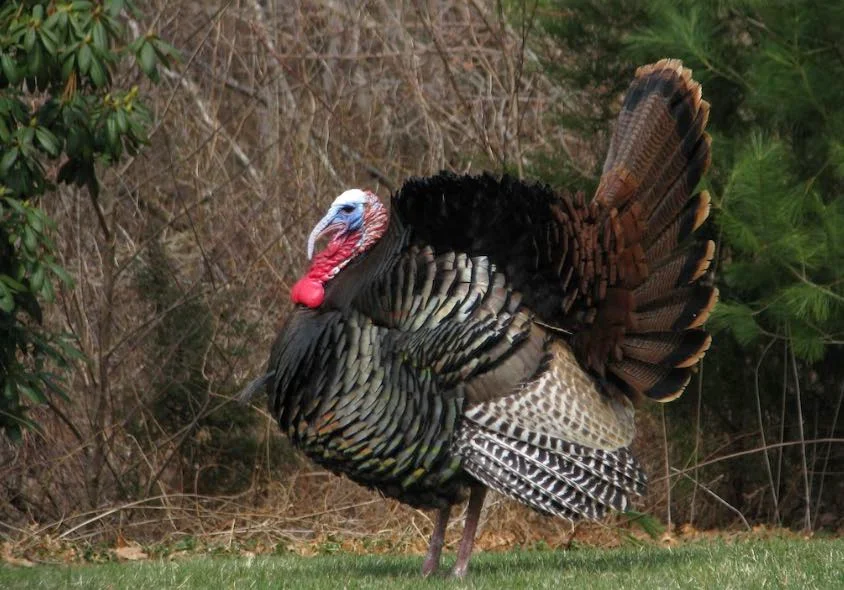
Turkey meat comes from a large domestic bird native to North America, belonging to the pheasant family, Phasianidae.
The turkey was first domesticated by the Aztecs and Mayans before voyaging to Europe with Spanish explorers in the 16th century.
An adult turkey can weigh anywhere between 5 and 15 kg, depending on its breed and sex. It boasts a sturdy frame, a reddish head, and grey or brown skin tinged with hints of blue and deep pink.
The male turkey is particularly striking, with a long, flamboyant tail, dark brown plumage, and bare bright red skin on its head and neck.
While primarily raised for its tender meat, turkeys are also valued for their eggs and feathers.
In the kitchen, turkey meat is prized for being lean, mild in flavour, and incredibly versatile across a myriad of dishes.
Types of Turkey Meat
Turkey meat varies according to the cut of the bird:
- Turkey breast: the leanest and most succulent part, with a tender texture and subtle taste — perfect for grilling, roasting, or baking.
- Turkey thighs: darker and slightly richer than the breast, these cuts are equally flavoursome and wonderfully adaptable, ideal for stews, sauces, and roasts.
- Turkey wings: similar in taste to the breast but with a firmer, more fibrous texture. Excellent for making meatballs, burgers, or fried dishes.
- Minced turkey: a lean and versatile option suited to a range of recipes such as patties, meatballs, sauces, and fillings.
There are also various turkey breeds, each bringing distinct qualities of weight, flavour, and colour. The most common include the White, Brown, Black, and the striking Bourbon Rouge turkey.
Nutritional Highlights of Turkey Meat
Turkey meat is a valuable source of high-quality protein, essential for maintaining and building muscle tissue. It's also packed with vital vitamins and minerals.
Key nutritional points include:
- Protein: Turkey provides around 25 grams of protein per 100 grams, offering a generous boost for body and mind.
- Fats: It’s a lean meat, containing just 2-3% fat, making it a wholesome option.
- Vitamins: Rich in B vitamins such as niacin (B3), pyridoxine (B6), and cobalamin (B12), which support nervous system health, energy production, and red blood cell formation.
- Minerals: Turkey supplies selenium, zinc, and phosphorus. Selenium acts as a powerful antioxidant protecting cells, whilst zinc and phosphorus aid bone, dental, and immune health.
- Carbohydrates: Turkey meat contains no carbohydrates.
Overall, turkey is a nutritious and delicious choice, supplying essential nutrients beneficial for a balanced diet.
Cooking with Turkey Meat
Thanks to its adaptability, turkey meat lends itself beautifully to a wide array of culinary creations:
- Roasts: Turkey breast shines in oven roasts, enriched with herbs, spices, or citrus zest.
- Escalope: Thinly sliced turkey breast makes for tender escalopes, which can be gently pan-fried or grilled.
- Meatballs: Minced turkey can be flavoured with spices, finely chopped vegetables, and grated cheese for scrumptious meatballs.
- Burgers: Turkey mince also makes light, tasty burgers infused with herbs and spices.
- Sauces: Turkey thighs create rich, flavourful ragù and other slow-cooked sauces.
- Stuffings: Turkey meat is excellent for filling vibrant vegetables like peppers, aubergines, or courgettes.
- Broths and soups: Bones and lesser cuts provide excellent stock bases, enhanced with fresh vegetables and fragrant herbs.
Though turkey hasn’t traditionally featured heavily in Sicilian cuisine, its popularity is growing, finding a welcome place in modern regional recipes.
How to Prepare Turkey Meat
Turkey is usually sold ready-prepared, though your local butcher can also prepare it for you.
If preparing it yourself, follow these simple steps:
- Remove any visible bones or tough bits.
- Rinse the meat under cold running water to wash away any blood residues.
- Pat dry carefully with kitchen towel.
- If any feathers remain, pluck them out with tweezers or a knife, or singe them off gently.
- Trim away excess fat or cartilage.
Remember to keep the meat chilled until use, and thoroughly clean all utensils and surfaces afterwards to avoid cross-contamination.
Tips for Buying Turkey Meat
Here are some pointers when selecting turkey meat:
- Opt for fresh cuts: Look for pale pink, even colouring. Steer clear of meat with brown or grey blemishes, as these might reveal bacterial presence or poor storage.
- Check the sell-by date: Always pick meat with a generous window before expiry to ensure freshness.
- Choose the right cut: Breast suits roasting and grilling, while thighs and wings work beautifully with slow cooking or frying.
- Look for organic or sustainably farmed options: These choices often assure superior quality and ethics.
- Know the source: Try to find out where your turkey is reared, favouring producers committed to responsible and animal-friendly practices.
- Compare prices: Shopping around can help you find the best deal without compromising on quality.
Storage Advice
Keep your turkey meat in top condition with these tips:
- Refrigeration: Raw turkey should be stored below 4°C, tightly wrapped in cling film or foil, placed in the chilliest area of your fridge. It will keep fresh for 1-2 days.
- Freezing: For longer storage, wrap turkey in plastic wrap, then place in a freezer bag. It can be kept frozen for up to six months.
- Thawing: Always defrost completely before cooking. Best practice is to thaw in the fridge overnight or for 24 hours. Alternatively, submerge the sealed package in cold water for 2-3 hours.
- Cooking: Ensure turkey is thoroughly cooked before serving to eliminate bacteria like Salmonella or Campylobacter. Aim for an internal temperature of 75°C.
Always inspect the appearance, smell, and texture of turkey before cooking to guarantee it’s safe and enjoyable to eat.