
Overview
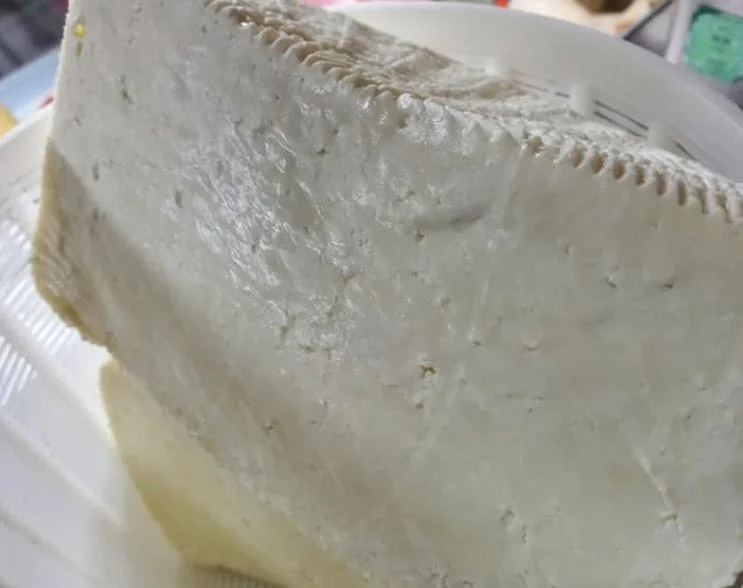
Tuma is a type of fresh cheese made from sheep’s milk, cow’s milk, or a blend of the two.
The term tuma refers to a particular stage in the cheese’s maturation process.
This cheese is made from curds without any salt added.
The absence of salt means it doesn’t keep well, so it’s best enjoyed fresh within one to two weeks of production.
Tuma represents just one phase in the making and ageing of pecorino cheese, which can be savoured at various stages of maturity.
It’s typically round in shape, with a firm rind that ranges in colour from white to yellow to brown, depending on how long it has aged.
This also affects the colour of the cheese’s interior, which can vary from white to pale straw, and its texture, which may be moist or drier.
Varieties of Tuma
The tumazzu di vacca, also known as Fiore Sicano, is listed among Italy’s traditional agri-food products.
It’s made from a mix of sheep’s and cow’s milk, with an initial soaking in whey heated to 85°C for at least two hours.
After ageing for between three and eighteen months, the cheeses are regularly turned and rubbed with a cloth dampened with salted water, sometimes enriched with oil and occasionally vinegar.
This cheese is often flavoured with pepper or chilli for an added kick.
Cooking with Tuma
Tuma features in many classic Sicilian recipes. For example, the traditional Messinese focaccia is topped with tuma, escarole, cherry tomatoes, and anchovies.
It’s a wonderfully versatile cheese, used in simple dishes like meatballs or rolled meat, as well as more elaborate recipes such as the tagano di Aragona.
On its own, tuma is a delight, evoking the scents of Sicilian pastures with its subtly aromatic flavour.
You can also grill it, and it forms the base for many baked Sicilian dishes, including the aforementioned focaccia.
It’s perfect as an aperitif or starter, paired with sun-dried tomatoes, capers, and olives, or fresh tomatoes and onions.
Tuma pairs beautifully with red wine, but also works well with honey.
Try it alongside thyme or citrus for a fresh twist.
Buying Tips
If purchasing pre-packaged tuma, always check the use-by date to ensure freshness.
Storage
Tuma should be kept in the fridge, ideally on the upper shelves where the temperature is slightly warmer.