Ricette di Sicilia
Cibo, cultura e tradizioni siciliane
Saint Joseph’s Bignè (Authentic Italian Recipe)
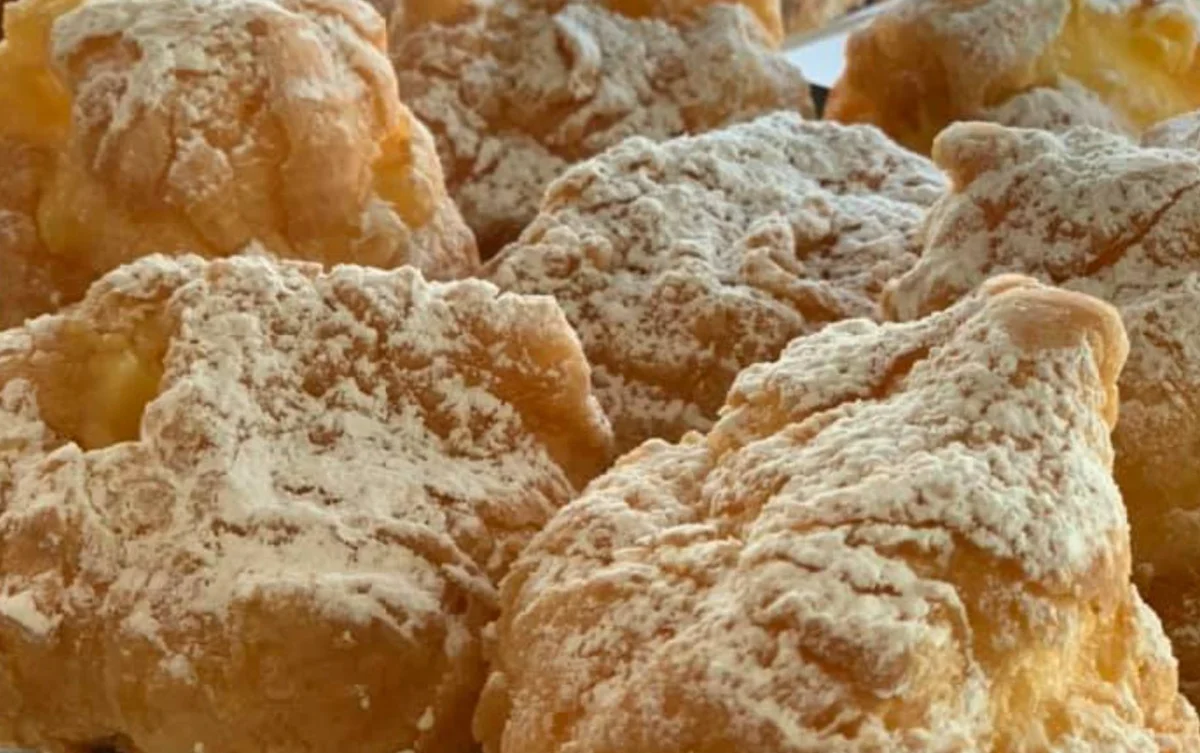
Authentic St Joseph’s Bignè from Italy – light fried dough balls dusted with icing sugar, traditionally made on 19 March for Saint Joseph’s Day.
📖 What is it
Authentic St Joseph’s Bignè from Italy – light fried dough balls dusted with icing sugar, traditionally made on 19 March for Saint Joseph’s Day.
🛒 Ingredients
- ✓ 500g plain flour
- ✓ 25g fresh yeast
- ✓ 300ml milk
- ✓ A pinch of salt
- ✓ Icing sugar, to dust
- ✓ Extra virgin olive oil or lard, for frying
📊 Nutritional Information
Saint Joseph’s Bignè are traditional Italian fried dough balls prepared on 19 March to celebrate St Joseph’s Day. Light, airy and dusted with icing sugar, they are a classic Father’s Day treat across Sicily. This authentic recipe reflects the island’s festive spring baking traditions.
👨🍳 Preparation
- 1
Mix the flour into two glasses of milk, stirring regularly with a wooden spoon.
- 2
Dissolve the fresh yeast in two tablespoons of warm milk and add it to the mixture along with a pinch of salt.
- 3
Cover with a tea towel and leave the dough to rest for an hour.
- 4
Using a spoon, shape the dough into small balls and fry them in plenty of hot extra virgin olive oil or lard.
- 5
Drain the golden bignè and blot away any excess oil with kitchen paper.
- 6
Arrange the bignè on a serving plate, dust generously with icing sugar, and serve.
🧠 Why It Works
This recipe works because it relies on controlled fermentation and precise frying technique. Fresh yeast develops subtle aromatic complexity while giving the dough elasticity and internal structure. Milk enriches the crumb with gentle sweetness and softness, while a pinch of salt sharpens flavour perception. Resting time allows gluten to relax and gases to form evenly, ensuring a light, open interior. Frying at stable temperature quickly seals the exterior, creating a thin, crisp shell that contrasts with the soft centre. Dusting with icing sugar enhances perceived sweetness without overwhelming the palate. The result is texturally balanced, structurally coherent and faithful to Sicilian festive pastry-making.
🛠️ Troubleshooting
Why are my bignè dense instead of light?
The dough may not have risen long enough or the yeast was inactive. Ensure proper proofing time and use fresh yeast.
Why do they absorb too much oil?
The frying oil was not hot enough. Maintain around 170–175°C (340–350°F) to seal the surface quickly.
Why are they raw inside?
They may be too large or the oil too hot. Reduce size and ensure even, moderate frying temperature.
Can I prepare the dough in advance?
Yes. The dough can rise in the refrigerator overnight, but allow it to return to room temperature before frying.
💡 Tips and Variations
- •
For an extra indulgent treat, try filling the bignè with vanilla custard or a sweet ricotta cream blended with sugar and orange zest.
- •
Use a piping bag with a plain nozzle to create more uniform, neat bignè shapes before frying.
- •
The magic of this recipe lies in the perfect balance between the crisp exterior and the soft, sweet interior.
- •
For a lighter option, bake the bignè instead of frying, while keeping the traditional filling.
- •
To make choux pastry: bring water, butter, and a pinch of salt to the boil; add all the flour at once and stir vigorously; let cool before beating in eggs one at a time until smooth and glossy.
- •
Add a pinch of bicarbonate of soda to the dough to enhance the lightness and fluffiness of the bignè.
- •
For a vegan version, replace eggs with a mix of water and chickpea flour, and use a sweetened tofu cream for the filling.
- •
The secret to this dessert is gentle frying and the freshness of the ingredients.
📦 Storage
- • Store the bignè in an airtight container at room temperature and enjoy within two days to keep them fresh.
- • For longer storage, freeze them after frying, wrapping each individually in cling film; they’ll keep for up to a month.
- • Reheat in the oven at 160°C for a few minutes before serving to restore their crispness.
🍷 Pairing
A Sicilian Moscato di Pantelleria, served chilled, enhances the icing sugar sweetness while its aromatic intensity balances the fried dough. A Passito di Noto offers refined sweetness and vibrant acidity, preventing palate heaviness. As an elegant alternative from Southern Italy, a Vin Santo del Cilento provides oxidative depth and structured sweetness that complements the pastry’s crisp exterior and soft interior.
❓ F.A.Q.
What are St Joseph’s Bignè?
St Joseph’s Bignè are traditional Sicilian fried dough balls made with yeast dough and dusted with icing sugar, prepared for St Joseph’s Day on 19 March.
Are St Joseph’s Bignè the same as zeppole?
They are related but not identical. Zeppole often use choux pastry and may be filled, while Sicilian St Joseph’s Bignè are typically yeast-based and simpler in structure.
Why are they made on 19 March?
In Sicily, 19 March marks St Joseph’s Day and Father’s Day. Fried pastries symbolise celebration and abundance during this spring religious feast.
Can they be filled with cream?
Traditionally they are served plain with icing sugar, but some variations include vanilla custard or sweetened ricotta.
Can I bake them instead of frying?
Yes, but baking produces a drier texture. Frying ensures the characteristic crisp exterior and airy interior.
🏛️ History and Tradition
St Joseph’s Bignè are part of Sicily’s rich culinary traditions linked to St Joseph’s Day on 19 March. The feast is deeply rooted in Catholic devotion and marks both a religious celebration and Father’s Day. Across Sicilian towns and villages, families prepare symbolic dishes, often based on simple ingredients transformed into festive treats. Fried sweets like bignè represent joy, abundance and communal sharing. Their preparation reflects the island’s springtime rhythms and the enduring connection between faith, family and food culture.
Making San Giuseppe bignè is like inviting a little piece of Sicily into your home — a sweet, heartfelt tradition perfect for sharing with those you love. I warmly encourage you to give this recipe a go, bringing a touch of warmth and flavour to your table. Enjoy the process, savour every bite, and don’t forget to share the joy with family and friends!
Rate this recipe
Click or tap the stars to rate