Overview
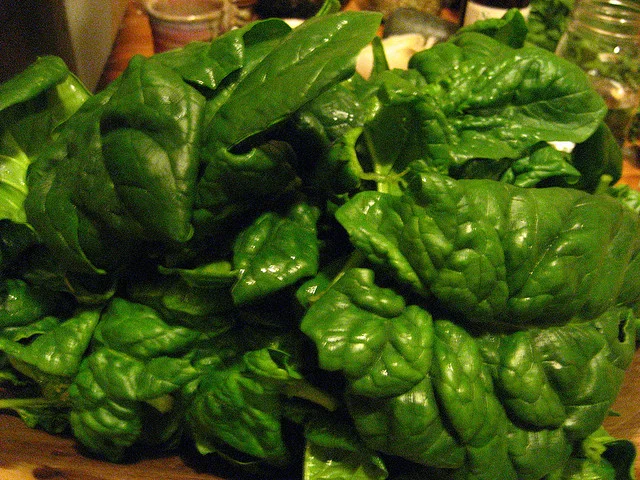
Spinach, a leafy green from the Chenopodiaceae family, is a kitchen favourite, especially in Sicilian cuisine. Its journey to the island traces back to the Arab influence during the Spanish rule of Sicily, who first introduced this versatile vegetable.
Originally native to Asia, spinach began spreading across Europe after its arrival in Sicily, becoming a regular feature on tables only by the 19th century.
You can enjoy spinach both cooked and raw; the latter usually calls for tender baby leaves, prized for their delicate texture.
In shops, you’ll find spinach fresh or frozen, often sold in convenient cubes.
Season
Fresh spinach is typically available from November through to March.
Varieties
The most common types include savoy, semi-savoy, and smooth-leaf spinach.
Cooking Tips
Spinach is most often served as a side dish, best prepared simply to preserve its natural flavours and nutrients.
Boiling or steaming are ideal methods, or cooking with just a splash of water.
It’s also frequently paired with pecorino ricotta to create rich, delicate fillings for ravioli and cannelloni.
How to Clean Spinach
To prepare spinach, trim the stalks and wash thoroughly in plenty of water to remove any grit that often hides between the leaves.
Avoid soaking the leaves for too long, as this can wash away valuable nutrients.
Buying Tips
Look for leaves that are plump and vibrantly green. If opting for frozen spinach, always check the expiry date and ensure the packaging is intact.
Storage Advice
Spinach is quite delicate and should be kept in the fridge’s fruit and veg drawer, ideally used within a day or two.
It’s best not to store cooked spinach, as it spoils quickly.
Did You Know?
Spinach is indeed one of the vegetables richest in iron, though it’s often mistakenly thought to contain far more than it actually does. This myth sometimes leads to overconsumption, especially in cases of anaemia!