Ricette di Sicilia
Cibo, cultura e tradizioni siciliane
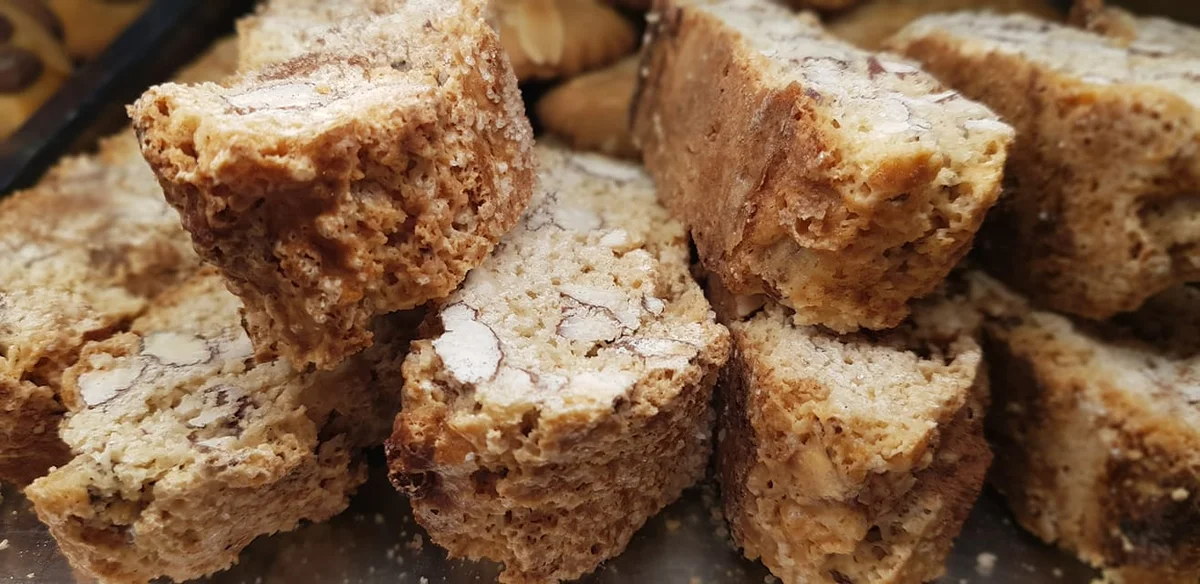
Sicilian Lenten Biscuits (Biscotti Quaresimali)
Authentic Sicilian Lenten biscuits with almonds and orange zest. Traditional biscotti quaresimali recipe for Lent and Easter baking.
📖 What is it
Authentic Sicilian Lenten biscuits with almonds and orange zest. Traditional biscotti quaresimali recipe for Lent and Easter baking.
🛒 Ingredients
- ✓ 400g caster sugar
- ✓ 400g almonds
- ✓ 100g plain flour
- ✓ 50g lard
- ✓ Zest of 4 oranges
- ✓ Ground cinnamon
- ✓ Icing sugar
📊 Nutritional Information
Sicilian Lenten biscuits, known as biscotti quaresimali, are traditional almond and orange zest biscuits prepared during Lent and served at Easter. Twice baked for a crisp exterior and firm centre, they embody Sicily’s springtime flavours and religious customs. Made with toasted almonds, citrus peel and gentle spices, they are a classic seasonal sweet across the island.
👨🍳 Preparation
- 1
Toast the almonds and finely chop half of them together with the orange zest.
- 2
Mix this almond and zest blend with the sugar, flour, whole almonds, and lard, then knead until you have a smooth dough.
- 3
Shape the dough into 30cm long sticks and leave them to rest overnight.
- 4
Bake the sticks at 180°C for 20 minutes, then take them out and let them cool.
- 5
Slice the sticks into 2cm thick pieces and return them to the oven to finish baking.
- 6
Dust the biscuits with icing sugar and a sprinkle of cinnamon before serving.
🧠 Why It Works
This recipe succeeds because it balances almond fat content, sugar structure and controlled dehydration through double baking. Toasting the almonds enhances volatile aromatic compounds, deepening flavour before incorporation. The combination of finely chopped and whole almonds creates textural contrast and structural integrity. Lard limits gluten development in the small percentage of flour used, ensuring a compact yet tender crumb. Resting the dough overnight allows moisture redistribution and flavour infusion from citrus zest. The second bake reduces residual humidity, producing the characteristic dry, sliceable texture typical of Sicilian biscotti quaresimali while extending shelf life naturally.
🛠️ Troubleshooting
Why are my biscuits too hard?
They may have been overbaked during the second stage. Reduce the final baking time slightly to preserve balance between crispness and bite.
Why does the dough crumble before shaping?
Insufficient mixing or overly coarse almonds can prevent cohesion. Ensure almonds are finely chopped and knead until fully integrated.
Why do the slices break when cutting?
Allow the first bake to cool slightly but slice while still faintly warm to prevent cracking.
How do I maintain their crunch during storage?
Store in a sealed tin in a dry environment. Exposure to humidity softens the texture characteristic of double-baked biscuits.
💡 Tips and Variations
- •
For a softer texture, swap the lard for good-quality butter.
- •
Add a pinch of ground cloves for a cosy, spiced note.
- •
Use peeled, home-toasted almonds to really bring out the authentic flavour.
- •
For a vegan twist, replace the lard with coconut oil and sweeten with natural agave syrup.
- •
The secret to a fragrant biscuit lies in slowly toasting the almonds and balancing the citrus perfectly.
📦 Storage
- • Store the biscuits in an airtight container to keep them fresh for up to five days.
- • For longer storage, freeze them individually wrapped and enjoy within a month.
- • Warm them gently in a low oven before serving to revive their original aroma.
🍷 Pairing
A Passito di Pantelleria DOC offers dried apricot and honeyed notes with balancing acidity that enhance the almond richness. A Moscato di Noto DOC contributes floral aromatics and citrus freshness that echo the orange zest in the dough. As a southern Italian alternative, Moscato di Trani from Puglia provides aromatic intensity and gentle sweetness that harmonise with the biscuit’s toasted profile.
❓ F.A.Q.
What are Sicilian Lenten biscuits?
They are traditional almond-based biscuits from Sicily, prepared during Lent and finished with a second bake to achieve a dry, crisp texture.
Why are they called biscotti quaresimali?
The name refers to Quaresima, the Italian word for Lent, the liturgical period before Easter when these biscuits are traditionally made.
Are Sicilian Lenten biscuits similar to cantucci?
They share the double-baking technique, but biscotti quaresimali are richer in almonds, scented with orange zest and linked specifically to Easter traditions.
Can I prepare them in advance for Easter?
Yes. Their low moisture content allows them to keep well for several days in an airtight container, making them ideal for advance preparation.
Can lard be substituted?
Butter can be used, but lard provides the traditional crumb structure and prevents excessive gluten formation.
🏛️ History and Tradition
The Origins of Sicilian Lenten Biscuits
Sicilian Lenten biscuits are among the most distinctive sweets associated with the period of Lent, the forty days preceding Easter in the Christian calendar. These biscuits emerged within a context of restraint and moderation, when traditional dietary rules limited the consumption of meat and rich ingredients. Their recipe reflects this spirit of simplicity, relying on essential components rather than indulgent additions.
A Sweet of Restraint and Devotion
During Lent, households adapted their cooking to align with religious observance. Lenten biscuits were prepared without butter or animal fats and were often based on ground almonds, sugar and egg whites. Almonds, deeply rooted in Sicily’s agricultural heritage, provided nourishment and flavour while remaining consistent with the season’s more restrained character. The result was a biscuit that balanced austerity with delicacy.
Arab Influences and Convent Traditions
The prominence of almonds and sugar in these biscuits can be traced back to the Arab period in Sicily, between the ninth and eleventh centuries. Techniques for refining sugar and crafting almond-based confections became part of the island’s culinary fabric. In later centuries, Sicilian convents refined these preparations further, creating sweets suitable for liturgical seasons. Within monastic kitchens, modest ingredients were transformed into elegant confections that respected the spirit of penitence.
Shapes, Aromas and Regional Variations
Across Sicily, Lenten biscuits vary in form and flavour. Some are lightly crisp on the outside and tender within, scented with citrus zest, cinnamon or cloves. In certain areas they may be finished with a thin glaze or a light dusting of sugar, though their appearance remains comparatively understated when set beside the more elaborate sweets of Easter itself.
A Bridge Between Lent and Easter
Lenten biscuits serve as a symbolic transition between restraint and celebration. Consumed during the weeks of preparation, they gently anticipate the abundance of Easter. In Sicilian households, their presence marked the passing of time and accompanied moments of reflection, reinforcing the spiritual rhythm of the season.
A Living Expression of Sicilian Culinary Heritage
Today, Sicilian Lenten biscuits continue to be made in homes and bakeries across the island. Though tastes evolve, their essence remains unchanged: a sweet born of simplicity, shaped by faith and preserved through tradition. They stand as a testament to Sicily’s ability to transform modest ingredients into enduring cultural symbols.
Making these Lenten biscuits is like stepping into a rich Sicilian tradition filled with authentic flavours and heartfelt stories. I warmly encourage you to give this recipe a go, make it your own, and share it with your loved ones — bringing a little slice of Sicily to your table and those special moments you cherish.
Rate this recipe
Click or tap the stars to rate