Ricette di Sicilia
Cibo, cultura e tradizioni siciliane
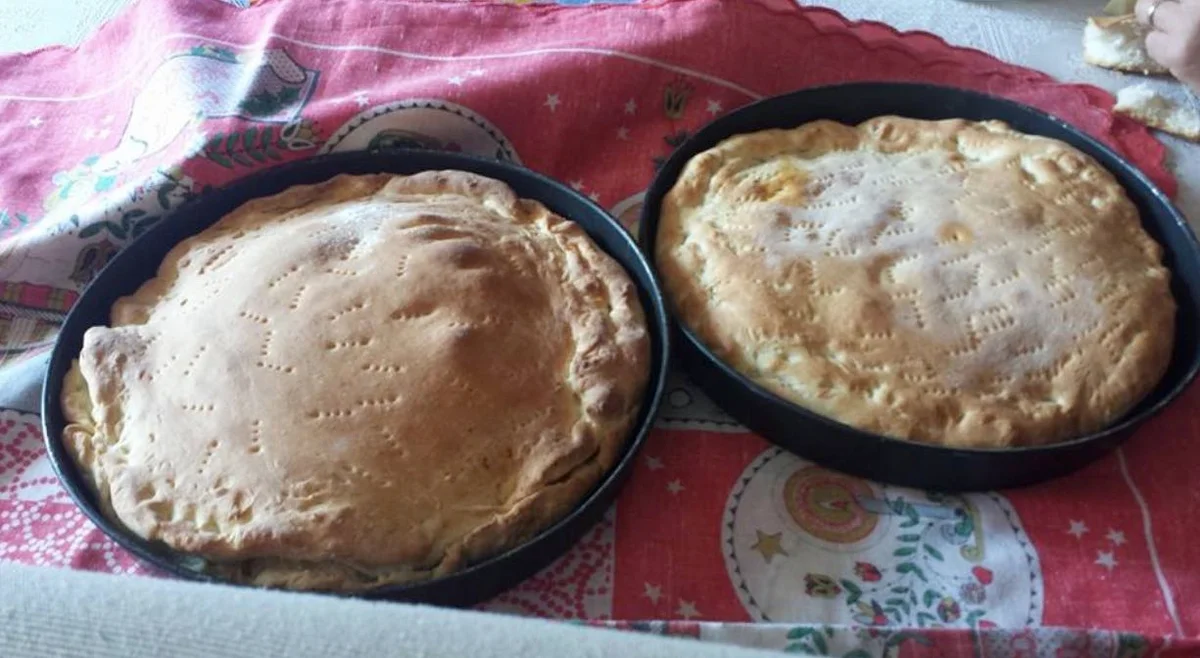
Impanata di Castrato Recipe – Sicilian Lamb Pie
Authentic impanata di castrato recipe from Sicily: rustic lamb pie baked in bread dough, traditional in Syracuse and Ragusa and perfect for festive meals.
📖 What is it
Authentic impanata di castrato recipe from Sicily: rustic lamb pie baked in bread dough, traditional in Syracuse and Ragusa and perfect for festive meals.
🛒 Ingredients
- ✓ 800g mutton
- ✓ 500g Sicilian focaccia dough
- ✓ 100g fresh parsley
- ✓ 2 garlic cloves
- ✓ Extra virgin olive oil
- ✓ Salt
- ✓ Freshly ground black pepper
📊 Nutritional Information
Impanata di castrato is a traditional Sicilian lamb pie made with bread dough filled with seasoned mutton, garlic, parsley and extra virgin olive oil, then baked until golden and compact. Originating in the provinces of Syracuse and Ragusa, it represents the rustic soul of eastern Sicilian cuisine. Historically prepared for Sunday lunches and festive gatherings, this recipe preserves the authentic technique and flavour balance of one of Sicily’s most emblematic meat dishes.
👨🍳 Preparation
- 1
Soak the mutton in a mixture of water and vinegar for at least an hour to deepen its flavour.
- 2
Sauté the meat with garlic, salt, and pepper in a pan to bring out its rich taste.
- 3
Roll out the focaccia dough and place it in a baking tray greased with extra virgin olive oil.
- 4
Layer the first portion of meat over the dough, then sprinkle with chopped parsley and garlic.
- 5
Continue layering meat and seasonings until all ingredients are used up.
- 6
Cover the filling with another layer of dough and bake in a preheated oven at 225°C.
- 7
Allow the impanata to rest once cooked, then serve it warm.
🧠 Why It Works
This recipe succeeds because it combines structural bread baking with controlled meat cookery. The bread dough acts as both container and thermal regulator, sealing in the juices released by the mutton during high-temperature baking. Brief pre-sautéing intensifies Maillard reactions, deepening savoury complexity before the oven phase. Garlic and parsley cut through the richness, while extra virgin olive oil ensures lubrication and prevents dryness. The high initial heat sets the crust quickly, locking moisture inside and creating contrast between crisp exterior and succulent filling. The result is a cohesive, sliceable pie with concentrated flavour and balanced fat distribution, fully aligned with Sicilian rural cooking logic.
🛠️ Troubleshooting
Why is the crust too hard after baking?
Overbaking or insufficient dough hydration can dry the crust. Ensure proper dough elasticity and avoid extending cooking time unnecessarily.
Why is the filling dry?
Lean meat or insufficient olive oil may reduce moisture. Use well-marbled mutton and adequate seasoning fat to maintain juiciness.
Why is the base undercooked?
Bake on the lower oven rack and ensure the oven is fully preheated so the bottom receives direct heat for proper browning.
Can I freeze impanata di castrato?
Yes. Cool completely, wrap tightly and freeze. Reheat directly in the oven to restore crust texture and internal warmth.
💡 Tips and Variations
- •
For a milder flavour, swap the mutton for lamb while keeping the traditional seasonings intact.
- •
Add a generous grating of Sicilian pecorino cheese over the meat before sealing the impanata for an extra savoury kick.
- •
Use a rolling pin to evenly stretch the dough, ensuring a perfectly cooked and consistent texture.
- •
For a vegetarian twist, fill the impanata with a mix of grilled vegetables and fresh cheese.
- •
Boost the umami by stirring in a pinch of tomato paste into the filling to intensify the flavours.
- •
To make a gluten-free version, replace the bread dough with a pastry made from alternative flours like rice or cornmeal.
- •
The secret to this dish lies in slow baking and balancing the soft dough with the rich, flavoursome filling.
📦 Storage
- • Let the impanata cool completely at room temperature to prevent moisture build-up inside.
- • Store it in an airtight container in the fridge to keep its flavour and texture fresh for up to 2 days.
- • For longer storage, wrap the impanata tightly in cling film and freeze it, so you can enjoy it weeks later.
🍷 Pairing
Cerasuolo di Vittoria DOCG offers bright acidity and soft tannins that cut through the richness of the mutton while supporting its savoury depth. A structured Nero d’Avola from southeastern Sicily provides ripe red fruit and spice, complementing the garlic and olive oil base. As an international alternative, a Spanish Tempranillo from Andalusia delivers balanced tannins and subtle earthy notes that echo the rustic character of the pie.
❓ F.A.Q.
What is impanata di castrato?
Impanata di castrato is a Sicilian rustic meat pie made with bread dough stuffed with seasoned mutton, typical of the Syracuse area in eastern Sicily.
What is the difference between mutton and lamb in this recipe?
Mutton comes from an older sheep and has a deeper, more robust flavour than lamb. Traditional impanata uses mutton for intensity, though lamb is sometimes substituted for a milder taste.
Is impanata di castrato linked to a specific season?
It is prepared all year round but is especially associated with Sunday family lunches and local festivities in eastern Sicily.
Can I prepare impanata di castrato in advance?
Yes. It can be baked earlier in the day and reheated gently before serving. Resting also helps the structure stabilise for clean slicing.
Why soak the mutton in water and vinegar?
The soaking step reduces excess intensity and tenderises the meat slightly, resulting in a cleaner, more balanced flavour profile.
🏛️ History and Tradition
The Origins of Impanata di Castrato
Impanata di castrato is one of the most emblematic dishes of south-eastern Sicily, particularly associated with the Ragusa and Hyblean area. It consists of a sealed pastry pie filled with chunks of castrato, the meat of a mature sheep, seasoned simply yet robustly. This hearty preparation reflects the island’s long-standing pastoral culture, where sheep farming has historically played a central role in both economy and daily life.
A Dish Rooted in Rural and Pastoral Life
The origins of the impanata lie in a rural context in which castrato provided a substantial and valued source of nourishment. Enclosing the meat within a thick layer of dough served both practical and culinary purposes: it allowed for slow, even cooking while preserving the juices and flavour. The sturdy pastry shell also made the dish suitable for transport, ideal for shepherds and labourers working in the countryside. Similar filled-bread traditions can be found across the Mediterranean, but in Sicily this form became deeply embedded in local custom.
Easter and Festive Significance
Impanata di castrato is often associated with the Easter season, when the end of Lent marked a return to festive meals and the consumption of meat. The presence of sheep meat resonates symbolically with the Easter lamb, a central figure in Christian tradition. Preparing and sharing the impanata during celebrations expressed abundance restored after a period of restraint and reinforced family and communal bonds.
Ingredients and Local Variations
The traditional filling consists of castrato meat seasoned with salt, black pepper, parsley and garlic, sometimes enriched with potatoes or local cheeses. Each household maintains its own variation, adjusting proportions and flavourings according to inherited practice. The outer pastry is firm and tightly sealed, ensuring that the filling cooks slowly and develops its characteristic depth of flavour.
A Culinary Symbol of the Hyblean Region
Today, impanata di castrato remains a powerful expression of the Hyblean gastronomic identity. More than a rustic pie, it tells the story of a land shaped by pastoral rhythms and communal traditions. Its preparation continues to renew a centuries-old bond between food, territory and shared memory in south-eastern Sicily.
Making impanata di castrato is like taking a heartfelt journey into Sicily’s culinary soul, bringing a dish rich in history and flavour to your table. I warmly encourage you to give this recipe a go, make it your own, and share this little gastronomic gem with your loved ones. Happy cooking, and here’s to the spirit of Sicily!
Rate this recipe
4.8/5 (122)
Click or tap the stars to rate