Ricette di Sicilia
Cibo, cultura e tradizioni siciliane
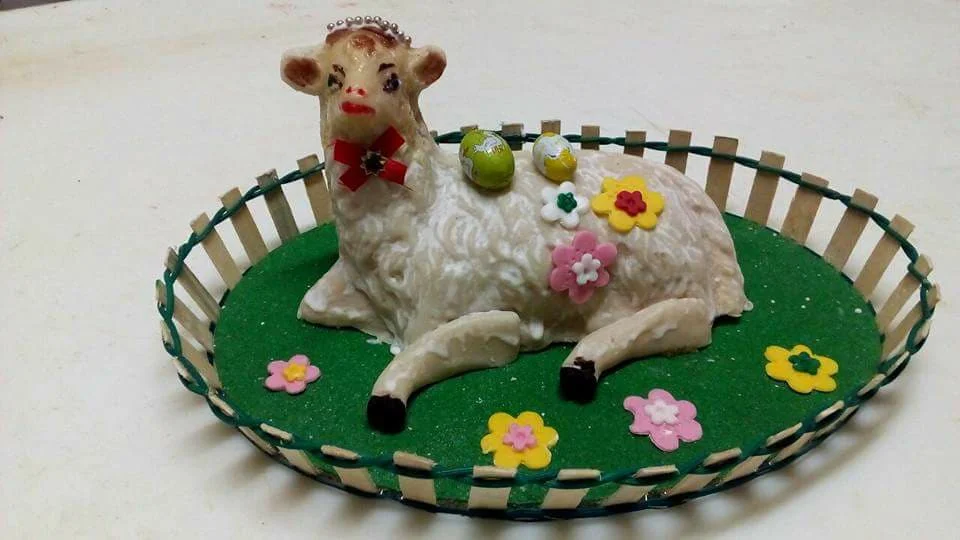
Sicilian Easter Marzipan Lamb (Agnellino Pasquale)
Authentic Sicilian Easter marzipan lamb recipe (agnellino pasquale) made with almonds and sugar, traditional Easter sweet from Sicily.
📖 What is it
Authentic Sicilian Easter marzipan lamb recipe (agnellino pasquale) made with almonds and sugar, traditional Easter sweet from Sicily.
🛒 Ingredients
- ✓ 500g blanched almonds
- ✓ 500g icing sugar
- ✓ half a teaspoon of bitter almond essence
- ✓ 1 sachet of vanilla sugar
- ✓ 6 drops of cinnamon essence
- ✓ cornflour for dusting
- ✓ natural food colouring
- ✓ 100ml water
📊 Nutritional Information
The Sicilian Easter marzipan lamb, known as agnellino pasquale, is a traditional almond paste sweet shaped like a lamb and decorated by hand for Easter celebrations. Made with finely ground almonds and sugar syrup, it symbolises the Lamb of God and is a centrepiece of Sicilian Easter tables, especially gifted to children during Holy Week.
👨🍳 Preparation
- 1
Finely grind the almonds in a food processor until you have a smooth almond flour.
- 2
In a saucepan, combine the water and icing sugar, gently heating until the mixture starts to thread.
- 3
Remove from the heat and stir in the vanilla sugar, essences, and almond flour until you get a smooth, even dough.
- 4
Turn the mixture out onto a lightly dampened marble surface and knead until smooth and firm.
- 5
Shape into small balls and leave to rest for 24 hours.
- 6
Reprocess the balls in the food processor, then knead again by hand.
- 7
Dust lamb-shaped moulds with cornflour, fill them with the dough and level the surface.
- 8
Carefully unmould and leave to dry for two days. Paint the details using diluted natural food colours and allow to dry completely.
- 9
Place each lamb on a serving tray and decorate with little flags, chocolates, and sweets.
🧠 Why It Works
This recipe succeeds because it relies on the classic Sicilian pasta reale method, where equal parts almond flour and icing sugar are bound with a carefully heated sugar syrup. Bringing the syrup to the threading stage ensures proper sugar crystallisation, giving the marzipan structure without graininess. Finely ground blanched almonds create a smooth, plastic texture ideal for moulding detailed lamb shapes. Resting the dough for 24 hours allows moisture to redistribute evenly, improving elasticity and flavour cohesion. The two-day drying phase stabilises the surface, preventing collapse and enabling precise hand-painted decoration. The balance between natural almond oils, controlled sweetness and gentle cinnamon notes produces depth without cloying heaviness.
🛠️ Troubleshooting
Why is my marzipan too soft to mould?
The sugar syrup may not have reached the proper threading stage, or the humidity is too high. Allow additional resting time to stabilise.
Why does the surface crack while drying?
Rapid drying or uneven moulding can create tension. Let the lamb dry gradually in a stable, dry environment away from drafts.
Why does the texture feel grainy?
Almonds may not have been ground finely enough or the sugar crystallised improperly. Use very fine almond flour and monitor syrup temperature carefully.
Why do the colours bleed during decoration?
The surface must be fully dry before painting. Use minimally diluted natural food colouring to prevent spreading.
💡 Tips and Variations
- •
For an extra aromatic touch, add a few drops of anise liqueur to the dough, enhancing the traditional flavour.
- •
To achieve a more natural, matte finish, dust the lamb with a mix of icing sugar and cornflour before decorating.
- •
Try adding toasted almonds to the dough for a richer flavour and a slightly crunchy texture.
- •
Silicone moulds work brilliantly for easy removal and preserving the delicate details of the lamb shape.
- •
The almond paste is the star of this recipe, lending sweetness and structure to the sweet.
- •
For a lighter version, reduce the sugar and swap some almonds for oat flour, creating a less calorific but still tasty treat.
- •
Follow these steps: finely grind almonds, mix with sugar and liqueur, mould, dry, and decorate as you wish.
- •
A pinch of salt in the dough can balance the sweetness and bring out the flavours beautifully.
- •
For a vegan twist, use unrefined cane sugar and replace artificial colours with natural powders like beetroot or turmeric.
- •
Patience is key: allow the lamb sweets to rest for a few hours before serving so the flavours meld perfectly.
📦 Storage
- • Wrap the lamb sweets in cling film to protect from moisture and store in a cool, dry place away from heat sources.
- • Avoid refrigerating, as humidity can spoil the delicate, crumbly texture of the almond paste.
- • For longer storage, keep them in a tightly sealed tin to preserve their aroma and freshness.
🍷 Pairing
A Moscato di Noto DOC offers floral aromatics and vibrant acidity that enhance the almond sweetness without overwhelming it. A Passito di Pantelleria DOC provides concentrated notes of dried apricot and honey, echoing the richness of the almond paste while balancing sugar intensity. For a southern Italian alternative, Moscato di Trani from Puglia delivers aromatic depth and gentle residual sugar, complementing the sculpted texture and festive character of this Easter sweet.
❓ F.A.Q.
What is a Sicilian Easter marzipan lamb?
It is a traditional Sicilian Easter sweet made from almond paste (pasta reale), shaped like a lamb and decorated by hand, symbolising the Lamb of God.
Is Sicilian marzipan the same as regular marzipan?
Not exactly. Sicilian pasta reale is prepared using hot sugar syrup, which gives it a firmer, more sculptable texture compared to standard uncooked marzipan.
Do you bake the marzipan lamb?
No baking is required. The structure is achieved through the hot sugar syrup and a slow drying process at room temperature.
How long does the marzipan lamb last?
Stored in an airtight tin in a cool, dry place, it can last up to three to four weeks without losing aroma or structure.
Why is the lamb prepared for Easter?
The lamb represents Christ in Christian tradition and is a central symbol of resurrection, making it especially meaningful during Holy Week.
🏛️ History and Tradition
The Symbolic Origins of the Sicilian Easter Lamb
The Sicilian marzipan Easter lamb is far more than a seasonal confection. It is a deeply symbolic creation that embodies centuries of religious devotion, artistic craftsmanship and regional identity. Shaped in the form of a lamb, it reflects one of the most powerful images in Christian theology: the Lamb of God, a symbol of innocence, sacrifice and redemption. Its presence on the Easter table connects the celebration of Christ’s resurrection with an older biblical tradition in which the lamb represented liberation and renewal. In Sicily, this symbolism is transformed into something tangible and sweet, allowing faith and festivity to meet in a single edible work of art.
Convent Traditions and the Art of Devotion
Like many of Sicily’s most refined pastries, the Easter lamb is believed to have originated in convent kitchens between the seventeenth and eighteenth centuries. Sicilian nuns were renowned for their skill in working with almonds and sugar, creating elaborate sweets for religious feasts and for aristocratic patrons. Almond paste, pliable yet elegant, allowed them to sculpt detailed three-dimensional figures. The Easter lamb thus emerged not merely as a dessert, but as a devotional object crafted with patience, discipline and artistic sensitivity.
Almond Paste and Sicily’s Arab Heritage
At the heart of this tradition lies marzipan, known in Sicily as pasta reale or martorana. Almond cultivation flourished on the island during the Arab period, between the ninth and eleventh centuries, when advanced irrigation systems and sophisticated sugar techniques were introduced. The blending of ground almonds and sugar became a cornerstone of Sicilian confectionery. The Easter lamb therefore represents a cultural dialogue: Islamic-era culinary refinement meeting Christian symbolism, a fusion that characterises much of Sicily’s gastronomic identity.
Regional Variations and Local Pride
Across Sicily, the marzipan lamb takes on subtle regional distinctions. In towns such as Favara, it may conceal a pistachio filling and display particularly intricate decoration. Elsewhere it appears in a more classic form, sometimes coated with a delicate white glaze and set upon green-tinted sugar that evokes spring grass and rebirth. Though variations exist, the underlying symbolism remains constant, and each community preserves its own interpretation with pride.
A Ritual Presence at the Easter Table
The Sicilian Easter lamb is not simply eaten; it is often admired, gifted and even blessed before being shared. In many households it occupies a central place on the table, admired for its craftsmanship before eventually being sliced and enjoyed. Its role extends beyond flavour, serving as a bridge between generations and reinforcing the continuity of family and faith.
An Edible Work of Art
Crafting a marzipan lamb requires technical precision and aesthetic care. Traditional moulds shape the figure, while hand-painted details bring it to life. Each piece reflects the skill of the artisan, and in the finest pastry shops the lamb becomes a miniature sculpture. Even in modern times, this sweet retains its artisanal character, standing in quiet contrast to mass-produced confections.
A Living Tradition
Despite changing culinary trends, the Sicilian Easter lamb continues to be prepared each spring, carrying with it layers of history and meaning. It is a reminder that food can preserve memory, express faith and celebrate place. In its delicate almond sweetness, one tastes not only sugar and nuts, but centuries of culture woven into a single seasonal ritual.
Making this traditional Sicilian Easter lamb sweet is a wonderful way to embrace the season’s spirit with authentic flavours and vibrant colours. Treat yourself to this handcrafted delight and share the joy with your loved ones — it’s the perfect recipe to bring a little Sicilian sunshine to your celebrations. Don’t forget to spread the love by sharing this recipe with friends and family!
Rate this recipe
Click or tap the stars to rate