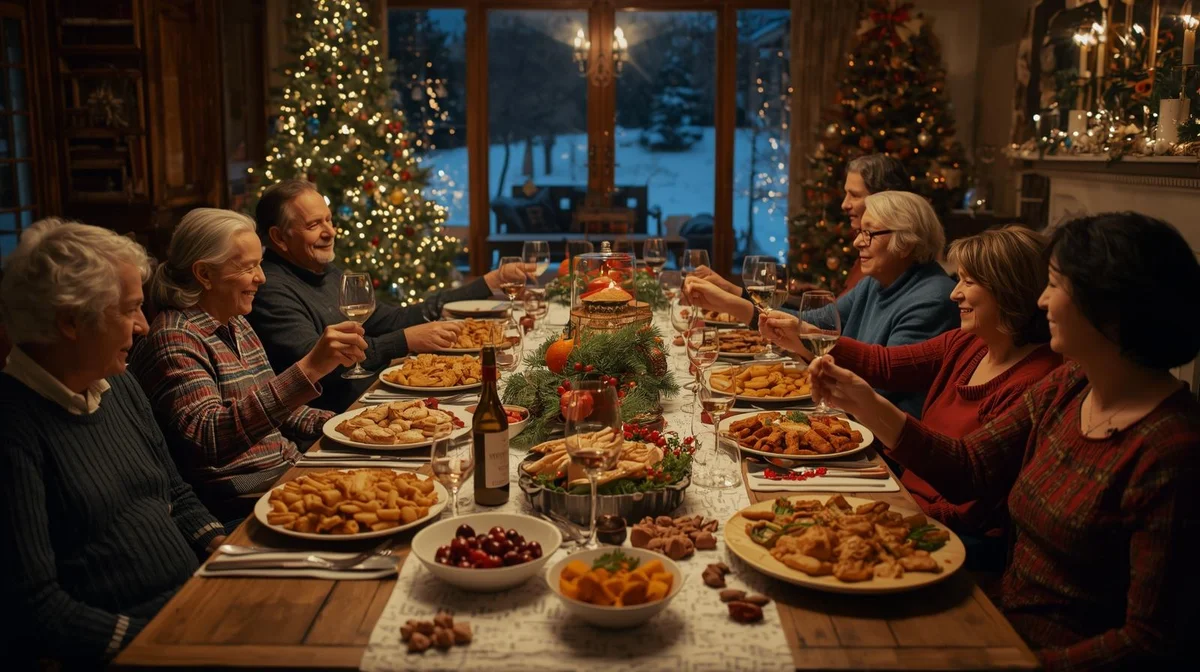
Sicilian diaspora food habits during Christmas and New Year in North America are a story of memory, improvisation and quiet reinvention played out around crowded winter tables. The plates may look different from those in Palermo, Catania or a small inland village, but the instinct behind them – to gather, to feed, to remember – remains remarkably consistent.
From Sicilian tables to North American winters
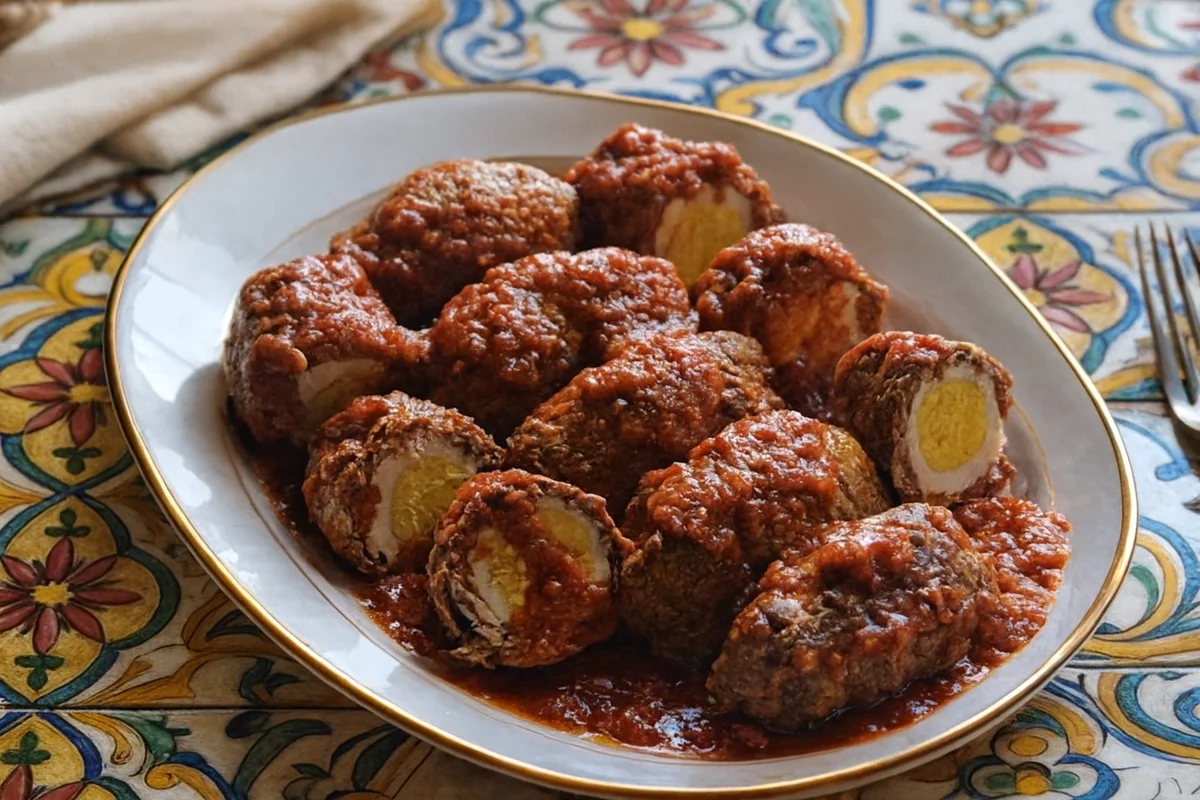
In Sicily, Christmas and New Year’s meals are famously abundant: trays of baked pasta, rich meat rolls such as falsomagro, sweet-and-sour vegetables and elaborate desserts like buccellato set the tone for days of celebration. When Sicilians left for North America, they carried these tastes with them in recipe notebooks, in half-remembered quantities and, very often, simply in stories about “how nonna used to make it”.
Early migrants usually tried to recreate the festive menus they knew, but they had to navigate smaller kitchens, different working hours and ingredients that did not always match what they had left behind. Over time, Christmas and New Year’s meals stopped being exact replicas of the ones in Sicily and became living records of adaptation instead, folding in local products while clinging to key flavours, shapes and rituals.
Christmas Eve at sea: towards the Feast of the Seven Fishes
Back home, Christmas Eve is often marked by a cena di magro built around fish and vegetables rather than meat, a way of preparing for the feast to come. In North America this idea of a seafood-centred vigil blended into a broader Italian American tradition frequently described as the Feast of the Seven Fishes, even when families never counted dishes so precisely in Sicily.
For Sicilians in cities such as New York, Toronto or Montréal, sourcing familiar fish could mean long drives to trusted fishmongers, early-morning trips to markets or stocking freezers ahead of December. When octopus, eel or certain small Mediterranean fish were difficult or costly to obtain, families quietly shifted towards what the local fish counter could offer – cod in various forms, smelts, prawns, calamari and, for some, more luxurious options like crab or lobster.
Adapting ingredients without losing the script
The backbone of a Sicilian festive table – baked pastas, slow-cooked meats, sweet-and-sour vegetables and trays of dried fruit and nuts – is easily recognisable, yet the details change once the setting moves to North America. Anelletti might give way to more widely available pasta shapes, fillings for timbales become less elaborate and caponata finds itself sharing space with green salads or vegetable sides more common in Canadian or US homes.
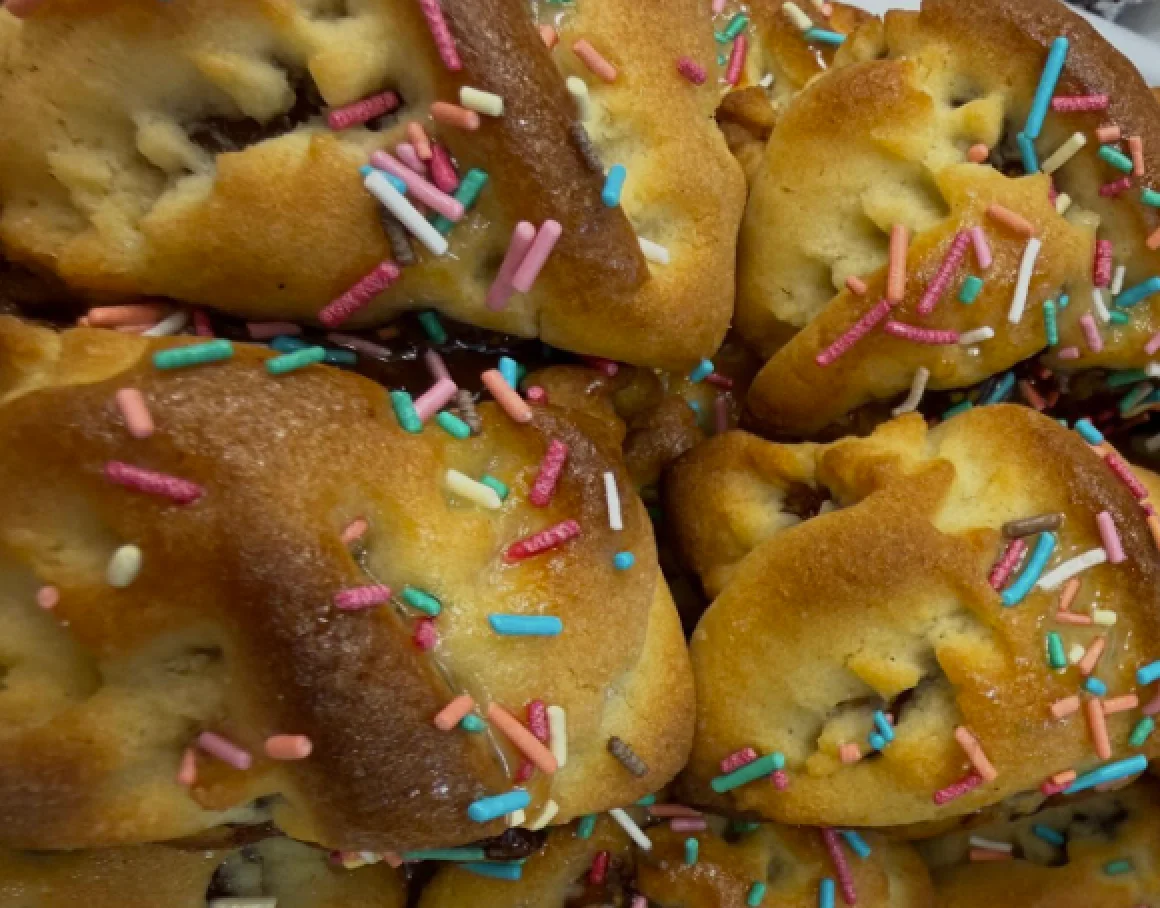
Desserts tell a similar story: buccellato, with its dried fruits and spices, often survives as a powerful symbol of “real” Sicilian Christmas, but it may appear alongside American-style cookies, pies and cakes baked for school events and office parties. Even the custom of offering dried fruit, nougat and fried sweets after dinner is sometimes streamlined into a single platter, making room for chocolates and shop-bought panettone that fit easily into busy December schedules.
Christmas and New Year: continuity and small shifts
In Sicily, Christmas Day tends to revolve around substantial first courses, meat-based mains and an almost theatrical display of sweets, while New Year’s Eve and New Year’s Day carry their own set of dishes, including lentils eaten as a sign of prosperity. Among Sicilians in North America, these distinctions blur slightly as work, school holidays and social calendars compress celebrations into the limited days when everyone can be around the same table.
Lentils often keep their place as a symbolic dish for New Year, even when served without the traditional accompaniments or folded into simpler preparations. Meanwhile, roast meats or baked pastas may reappear across both Christmas and New Year gatherings, not because the symbolism has faded, but because certain recipes are now associated with “any time the whole family finally makes it home”.
Generations in dialogue around the table
For the first generation, Christmas and New Year cooking in North America often carried the weight of proof: showing children, relatives and even neighbours that the old country’s way of celebrating was still alive. Recipes were followed as closely as circumstances allowed, appliances were pushed to their limit and extra chairs were squeezed in so that the meal felt as close as possible to what they had left behind.
Their children and grandchildren grew up between two worlds, just as likely to request a tray of baked pasta as they were to suggest a turkey, a glazed ham or other North American centrepieces they encountered through friends and media. The result is not a total break but a negotiation: one generation insisting on “at least one proper Sicilian dish” at Christmas, another introducing new favourites, and both agreeing that the feast matters more than strict adherence to a menu.
Ritual, identity and quiet nostalgia
Food becomes a kind of language through which Sicilians in North America revisit and renegotiate their sense of belonging each December. Certain acts – soaking dried cod days in advance, decorating a buccellato, setting out nuts and dried figs at the end of the evening – carry emotional weight far beyond their culinary function.
Christmas and New Year meals also act as informal archives: elders tell stories of village feasts, wartime shortages or the first Christmas after arrival overseas, while younger relatives piece together an understanding of Sicily they may only know from short summer visits. In these conversations, recipes become family property, adjusted, argued over and eventually passed on, ensuring that even heavily adapted dishes still feel anchored to a specific lineage.
New directions: lighter plates, heritage cooking and looking back
In recent years, a noticeable current within the Sicilian diaspora has leaned towards lighter, more health-conscious holiday menus, swapping some fried starters for baked options and introducing more vegetables without abandoning festive flavours. At the same time, there is a renewed interest in “heritage food”: researching traditional Christmas and New Year recipes, seeking out regional specialities and, in some cases, travelling back to Sicily specifically to experience festive tables there.
Online platforms, cookbooks and social media groups dedicated to Sicilian cooking help bridge the distance, giving North American families reference points for dishes their grandparents may have cooked from memory alone. In this way, Sicilian diaspora food habits during Christmas and New Year in North America remain in motion, balancing practicality and nostalgia while quietly reaffirming that, even far from the island, identity can still be served on a plate.