Ricette di Sicilia
Cibo, cultura e tradizioni siciliane
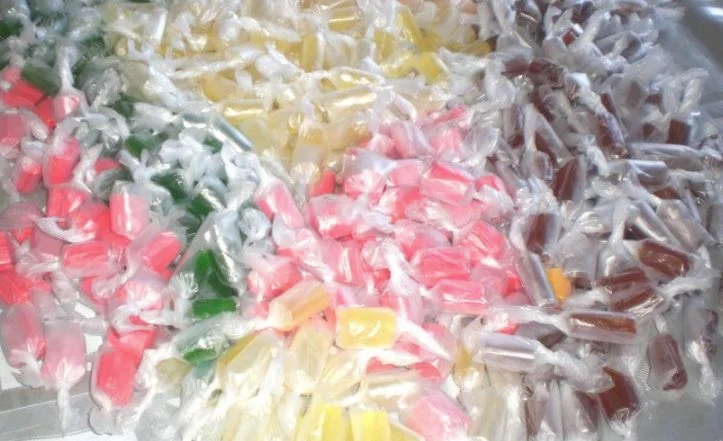
Sicilian Carob Sweets (Traditional Carruba Recipe)
Authentic Sicilian carob sweets made with carob pods, sugar or honey. Traditional carruba recipe with expert tips for perfect texture.
📖 What is it
Authentic Sicilian carob sweets made with carob pods, sugar or honey. Traditional carruba recipe with expert tips for perfect texture.
🛒 Ingredients
- ✓ 500g carob pods
- ✓ 500g sugar or honey
- ✓ 500ml water
📊 Nutritional Information
Sicilian carob sweets are traditional confections made by slowly reducing carob pods into a thick syrup, then caramelising it with sugar or honey and cutting it into firm cubes. Known locally as carruba sweets, they reflect Sicily’s rural pastry heritage and natural, cocoa-like sweetness without chocolate.
👨🍳 Preparation
- 1
Grind the carob seeds finely.
- 2
Combine the ground carob with half a litre of water in a saucepan and simmer gently until the mixture reduces by half, forming a thick syrup.
- 3
Strain the syrup through a food mill, weigh it, then add an equal weight of sugar or honey.
- 4
Cook the mixture over a low heat, stirring constantly until it caramelises.
- 5
Pour the caramel onto a lightly oiled marble surface, spreading it out to a thickness of 7–10mm.
- 6
Once it’s cooled to lukewarm, cut into cubes and leave to cool completely.
- 7
Serve your carob sweets and enjoy.
🧠 Why It Works
This recipe succeeds because it relies on controlled extraction and concentration of the carob’s natural sugars. Simmering ground carob pods in water releases soluble fibres and aromatic compounds, forming a dense syrup once reduced by half. Straining ensures a smooth base free from fibrous residue. Adding an equal weight of sugar or honey stabilises the mixture through balanced caramelisation, creating structure without artificial thickeners. Slow, constant stirring over low heat prevents scorching and promotes even evaporation. Pouring the mixture onto marble encourages rapid, uniform cooling, resulting in a compact yet slightly chewy texture with deep malty, cocoa-like notes typical of Sicilian carruba.
🛠️ Troubleshooting
Why didn’t my carob mixture thicken properly?
The syrup was likely not reduced enough before adding sugar or honey. Continue simmering until visibly dense before caramelising.
Why are the sweets too hard after cooling?
Excessive caramelisation or high heat can over-concentrate the sugars. Cook gently and remove from heat once thick and glossy.
Why is the texture grainy?
Uneven stirring or overheating may cause sugar crystallisation. Maintain low heat and stir continuously.
The mixture sticks to the surface. What should I do?
Lightly oil the marble or use baking parchment to prevent sticking and allow clean cutting.
💡 Tips and Variations
- •
For a warming twist, add a pinch of cinnamon to the syrup as it cooks to enhance the carob’s natural character.
- •
Swap sugar for local honey to create a softer, more aromatic version with a delicate sweetness.
- •
Use a silicone mould to shape your sweets perfectly and make them easier to remove without breaking.
- •
For a vegan-friendly option, choose acacia honey or agave syrup instead of refined sugar.
- •
The secret to these sweets lies in the slow cooking of the syrup, which brings out the full depth and complexity of the carob flavour.
📦 Storage
- • Store the sweets in an airtight container to keep their fragrance and texture intact.
- • Keep the container away from heat sources and direct sunlight to prevent softening or melting.
- • Enjoy within two weeks for the best freshness and authentic taste.
🍷 Pairing
A Sicilian Moscato di Pantelleria, with vibrant acidity and aromatic intensity, enhances the honeyed depth of the carob. Malvasia delle Lipari Passito offers floral sweetness and freshness that balances the caramelised notes. As an elegant alternative from Southern Italy, Greco di Bianco from Calabria brings structured sweetness and candied fruit nuances that complement the malty profile without overpowering it.
❓ F.A.Q.
What do Sicilian carob sweets taste like?
They have a naturally sweet, malty flavour reminiscent of cocoa and caramel, but milder and without bitterness or caffeine.
Is carob the same as chocolate?
No. Carob comes from the carob tree and contains no caffeine. It has a naturally sweet profile and is often used as a cocoa alternative.
Can I make carob sweets without refined sugar?
Yes. You can use honey as a traditional alternative. The texture will be slightly softer and more aromatic.
How long do homemade carob sweets last?
Stored in an airtight container away from heat and humidity, they keep well for up to two weeks.
Are carob sweets suitable for a vegan diet?
Yes, if prepared with sugar or plant-based syrup instead of honey.
🏛️ History and Tradition
Carob sweets are rooted in Sicily’s rural food culture, where carruba was once a vital source of natural sweetness before industrial cocoa became widespread. Particularly common in the island’s south-eastern provinces, carob was transformed into syrups, flour and long-lasting confections.
These sweets emerged as a practical way to preserve surplus carob harvests and create affordable treats for markets and village festivals. Their preparation reflects the ingenuity of cucina povera, turning simple, local ingredients into enduring symbols of Sicilian identity and agricultural tradition.
Making carob sweets is a lovely journey into the authentic flavours of Sicily, a heartfelt nod to tradition and the simple joys of yesteryear. I warmly encourage you to give this recipe a go at home and share the experience with your loved ones — it’s a wonderful way to bring a little piece of island culture to your table and create sweet memories together.
Rate this recipe
Click or tap the stars to rate