Overview
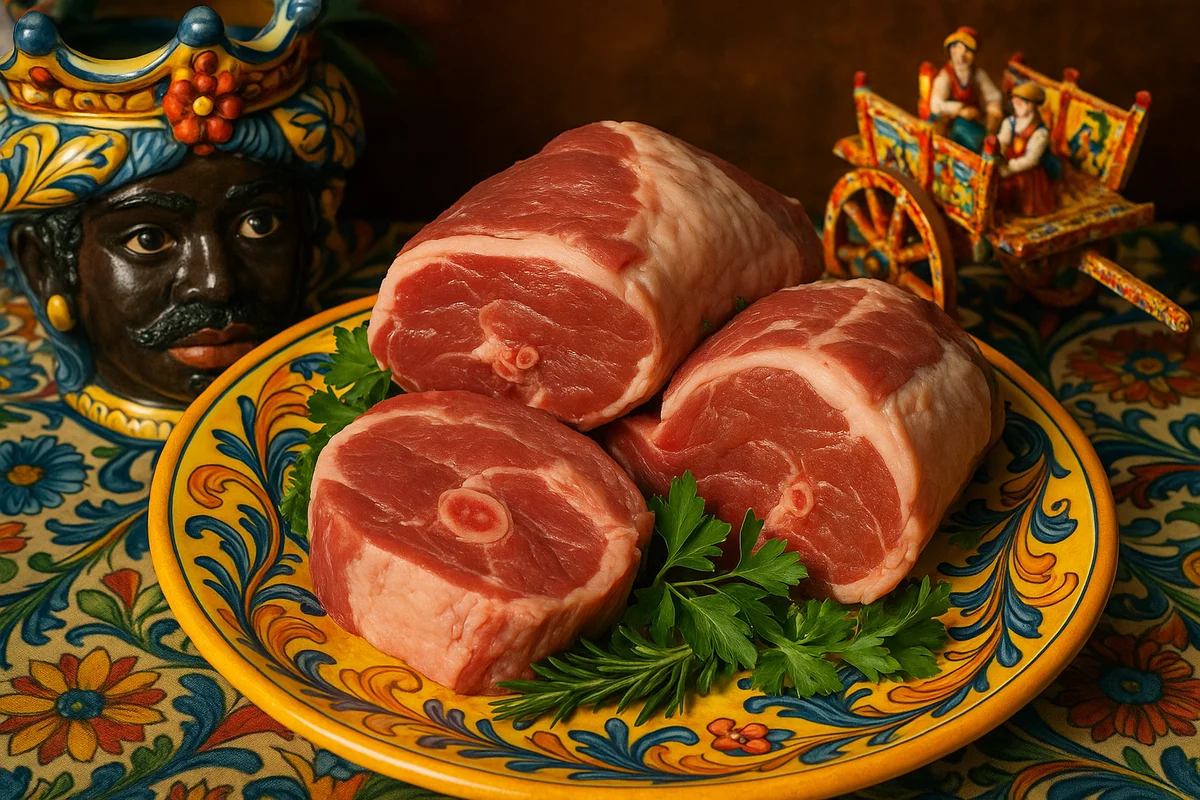
Known locally in Sicilian dialect as "carni di pecura," sheep meat is a time-honoured ingredient deeply woven into the fabric of Sicilian cuisine, especially treasured in the island’s pastoral and upland regions where shepherding has long been central to both economy and culture. This meat, sourced from mature sheep aged around 12 months or older, offers a richer, more pronounced flavour than lamb, with a firmer texture that calls for slow, attentive cooking to achieve the perfect tenderness.
Within Sicilian tradition, sheep meat was once considered humble fare, primarily eaten by shepherds and farming families. Yet, despite its modest origins, it has inspired iconic rustic dishes that embody the soul of the island’s rural culinary heritage—recipes steeped in centuries of pastoral lore and robust flavours.
Characteristics
Sheep meat typically presents a deep red-brown hue, accompanied by a denser, yellowish fat than that found in lamb. Its texture is fairly firm and fibrous, with a coarser grain compared to other ovine meats. Its taste is robust and distinctive, carrying subtle wild notes evocative of fragrant grazing lands and the Mediterranean scrub.
The aroma is intense, characteristic of mature sheep meat, more pungent than lamb but pleasant when from animals grazing freely and butchered with care. Younger sheep meat, from animals aged 12-18 months, tends to be more tender than that from older sheep, which demands longer cooking times.
Quality hinges on the sheep’s diet and age—animals pasture-fed on herb-rich terrain yield meat that’s more flavoursome and aromatic.
Cuts
Sicilian cuisine utilises the same cuts as lamb, albeit from larger animals.
Chops
Sourced from the rack, these can be grilled or pan-fried. They boast a strong flavour and require slightly longer cooking times than lamb chops.
Leg
The most prized cut, perfect for roasting or oven cooking. It can be rolled and stuffed or cooked on the bone.
Shoulder
Less prestigious than the leg but equally flavourful, suitable for braising, stews, and slow-cooked dishes.
Breast and Belly
These fattier sections are ideal for boiling, stewing, and long, slow cooking methods to become tender.
Culinary Uses
In Sicilian cooking, sheep meat is celebrated in traditional dishes that make the most of its intense flavour.
Grilled Sheep Meat
Inland Sicily, chops are often grilled over almond or olive wood fires, simply seasoned with sea salt, pepper, and wild oregano. The smoky char perfectly complements the rich meat.
Sheep Stew
A rustic preparation where the meat is cut into chunks and gently cooked with onions, tomatoes, red wine and vegetables. Slow cooking renders the meat meltingly soft and enriches the sauce with deep, layered tastes.
Boiled Sheep
A traditional mountain dish, where the meat is simmered for hours with aromatic vegetables, producing a flavourful stock used in soups and risottos. The boiled meat is served alongside vibrant green or piquant sauces.
Pasta with Sheep Ragù
Particularly popular in the provinces of Ragusa and Siracusa, the ragù is a classic pasta sauce, slow-cooked with tomato, wine and herbs to form a rich, fragrant condiment.
Cooking Tips
Sheep meat demands long, gentle cooking to tenderise. Quick methods typical for lamb would leave it tough and chewy. Stewing or braising should last at least 1.5 to 2 hours, often longer for older animals.
Marinating is advisable to soften the flesh and temper the strong flavour. A marinade of red wine, vinegar, oil, aromatic herbs and spices for 12 to 24 hours before cooking works wonders.
For stewing, searing the meat over high heat before adding liquids is essential to seal in juices and develop flavour. Afterwards, the heat should be reduced to a gentle simmer for a slow, even cook.
Storage
Fresh sheep meat keeps for 2-3 days in the coldest part of the fridge, well wrapped in cling film. It should remain in its original packaging or be transferred to airtight containers to prevent odours from spreading.
It freezes exceptionally well—divide into portions, wrap securely in cling film, then place in freezer bags. It will keep for 3-4 months. Defrost slowly in the fridge, never at room temperature.
Cooked meat lasts 3-4 days refrigerated in sealed containers and is perfect for repurposing in other dishes or reheating.
Buying Advice
When selecting sheep meat, look for animals raised on pasture, preferably in Sicily, where pastoral tradition ensures quality. The meat should be a deep, even red with no discolouration.
Fat ought to be firm and white-yellowish, evenly distributed. The smell should be clean and rich, never sour or off-putting. Younger sheep meat (12-18 months) is preferable for tenderness.
Purchasing from trusted butchers who handle quality produce and can share details about the animal’s age and origin is always advisable.
Nutritional Profile
Sheep meat is a rich source of high-quality protein (about 20-25 grams per 100 grams) with fat content varying by cut and animal, generally between 10 and 20%. It provides between 200 and 300 calories per 100 grams.
It’s an excellent source of highly bioavailable iron, key in preventing anaemia, as well as B vitamins—especially B12. It also offers zinc, selenium, and phosphorus.
Cholesterol levels are relatively high, so it should be eaten in moderation by those monitoring cholesterol. Pasture-reared sheep meat carries a healthier fat profile, richer in omega-3 fatty acids.
Interesting Tidbits
In Sicily’s pastoral heritage, the shepherd (known as "u parraru") would cook sheep meat directly on the pastures, preparing simple yet flavoursome dishes with just a handful of ingredients: salt, wild herbs and aromatic wood fires. These meals capture the very essence of Sicily’s rustic, peasant cooking.
In the mountainous interior during seasonal migrations, shepherds made a dish called "calia," a slow-cooked sheep stew prepared in copper cauldrons over open flames, seasoned only with salt, pepper and wild oregano gleaned from the hills.
During the Arab rule of Sicily, sheep meat was highly prized and cooked with exotic spices like cumin, coriander and cinnamon, resulting in dishes that beautifully marry Sicilian pastoral traditions with the elegance of Arabian cuisine.