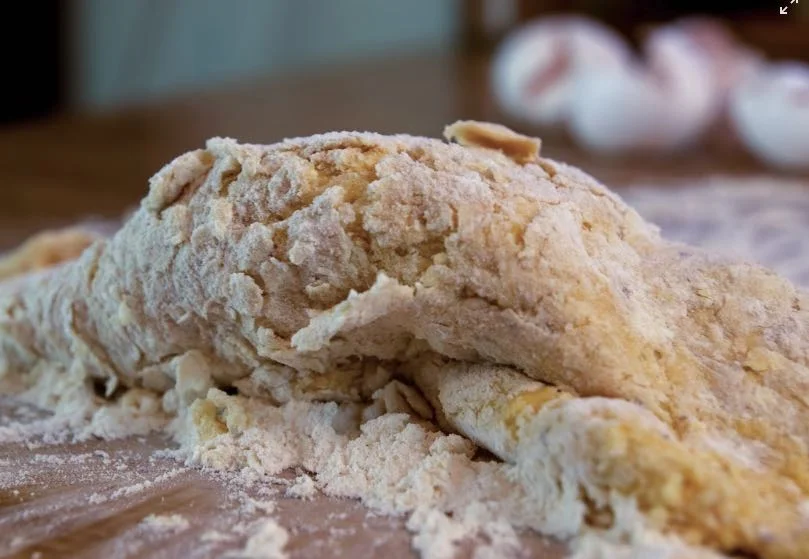
Semolina flour, often simply called semolina, is the result of grinding durum wheat, distinct from the softer wheat used to make plain flour.
This flour is famed for its rich amber-yellow hue and is prized for crafting pasta and pizza dough alike.
Its high carotenoid content makes it a natural ally in combating cellular ageing.
Availability
Semolina flour is readily available on supermarket shelves all year round.
Types of Semolina Flour
Much like plain wheat flour, semolina flour comes in different varieties, defined by how much the wheat has been processed.
There’s the wholemeal type, which is unrefined, alongside standard semolina and re-milled semolina.
The former is minimally processed, so it has a deeper colour and is perfect for making pasta.
By contrast, re-milled semolina flour is finer, paler, and is ideally suited to bread and pizza bases.
Using Semolina in the Kitchen
Durum wheat, which yields semolina flour, boasts a high gluten content and greater water absorption, making it wonderfully easy to work with.
It forms the perfect foundation for homemade pasta, as well as for focaccia and traditional breads.
For instance, it’s highly recommended when making pasta chî paḍḍuneḍḍa or the delightful scaccia nissena filled with tuma cheese and spinach, and features equally in other Sicilian classics such as San Martino’s muffulette or the impanata licatese.
Semolina also plays a starring role in Sicilian sweet treats, including cappeḍḍi di parrinu and cuḍḍureḍḍi con il mosto—typical delights from Scicli and the wider Iblean region—as well as the mastazzola di Riesi from other parts of the island.
Buying Tips
Semolina flour is easy to find both in specialist food shops and supermarket aisles. As with any flour, it’s best to choose the variety that best suits your recipe, and to check that the packaging is intact and fresh.
Storage Advice
Semolina flour should be kept in a cool, dry place from the moment you bring it home. Once opened, be sure to seal the packet tightly to keep out those pesky flour moths.