Ricette di Sicilia
Cibo, cultura e tradizioni siciliane
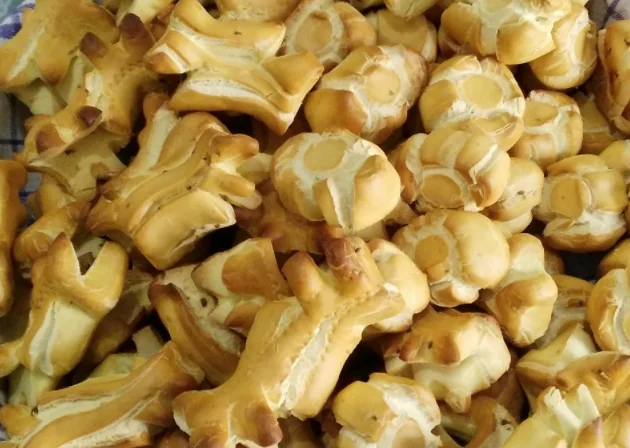
Scaurati Biscuits from Ragusa – Sicilian Easter Recipe
Authentic Scaurati biscuits from Ragusa: traditional Sicilian Easter recipe with aniseed, lemon and double cooking for crisp texture.
📖 What is it
Authentic Scaurati biscuits from Ragusa: traditional Sicilian Easter recipe with aniseed, lemon and double cooking for crisp texture.
🛒 Ingredients
- ✓ 500 g plain flour (type 0)
- ✓ 250 g plain flour (type 00)
- ✓ 125 g caster sugar
- ✓ 40 g lard
- ✓ 5 eggs
- ✓ 50 ml lemon juice
- ✓ 1 teaspoon aniseed
📊 Nutritional Information
Scaurati biscuits are traditional Easter biscuits from Ragusa in south-eastern Sicily, defined by a unique double process: first briefly boiled, then baked until golden. Crisp on the outside and tender inside, they are scented with aniseed and lemon. Prepared during Lent and Easter, they reflect the island’s rural baking heritage and festive spring traditions.
👨🍳 Preparation
- 1
Sieve the flours onto a clean work surface and mix together with the sugar, diced lard, and eggs.
- 2
Gradually add the lemon juice, then stir in the aniseed. Knead until you have a soft, smooth dough.
- 3
Roll the dough into a long sausage shape about 2-3 cm thick, then cut into small pieces.
- 4
Blanch the pieces in boiling water for 5 minutes, then drain them on a slanted surface for 8 hours.
- 5
Make a horizontal cut on each biscuit and bake in a preheated oven at 200°C for 30 minutes, until golden.
🧠 Why It Works
The success of Scaurati biscuits lies in their distinctive two-stage cooking method. The brief blanching in boiling water coagulates egg proteins on the surface, forming a thin outer layer that later develops into a crisp crust in the oven. The combination of type 0 and 00 flours balances structure and refinement, creating elasticity without toughness. Lard contributes plasticity and limits excessive gluten formation, ensuring a compact yet tender crumb. Lemon juice introduces controlled acidity that enhances flavour clarity and moderates sweetness, while aniseed provides the defining aromatic signature typical of Ragusan Easter baking. The long draining phase stabilises moisture distribution, allowing even browning and consistent texture.
🛠️ Troubleshooting
Why are my biscuits too hard after baking?
They may have been baked too long or at too high a temperature. Reduce the oven time slightly while maintaining a steady 200°C.
Why did the biscuits crack during baking?
Insufficient draining after boiling can cause uneven moisture distribution. Allow them to dry thoroughly before placing them in the oven.
Why is the inside still doughy?
The pieces may have been cut too thick. Aim for uniform 2–3 cm pieces to ensure even heat penetration.
Why is the anise flavour overpowering?
Use slightly less aniseed or crush it lightly instead of leaving it whole to achieve a more balanced aromatic profile.
💡 Tips and Variations
- •
For an extra burst of flavour, try adding finely grated organic lemon zest to the dough.
- •
If you prefer a sweeter biscuit, feel free to increase the sugar slightly, but keep the balance with the other ingredients.
- •
Use a non-stick baking tray or line it with baking parchment to prevent sticking during baking.
- •
The defining feature of this recipe is the aniseed, which lends a unique and unmistakable aroma.
- •
For a lighter version, reduce the sugar and swap the lard for mild extra virgin olive oil, resulting in a softer, less rich biscuit.
- •
Follow these steps: mix dry ingredients well, add liquids slowly, let the dough rest before shaping, and bake at a moderate temperature to keep the centre tender.
- •
A pinch of salt can enhance the savoury notes and balance the biscuit’s sweetness.
- •
For a vegan twist, replace the lard with plant-based margarine and use an egg substitute like apple purée or ground flaxseeds.
- •
The secret to these biscuits lies in the slow baking at a moderate temperature, achieving the perfect harmony of crunch and softness.
📦 Storage
- • Store the biscuits in an airtight container at room temperature, away from heat and moisture, to keep them fresh for up to five days.
- • To extend their shelf life, you can freeze the raw dough wrapped in cling film for up to a month, baking it straight from frozen.
- • Before serving, warm the biscuits in the oven at 160°C for about five minutes to revive their original crispness and aroma.
🍷 Pairing
A Moscato di Noto DOC offers floral aromatics and lively acidity that brighten the lemon notes and soften the sweetness. A Passito di Pantelleria DOC brings honeyed and dried apricot nuances, creating depth against the biscuit’s toasted crust. As a southern Italian alternative, Moscato di Trani from Puglia provides aromatic intensity and balanced residual sugar, harmonising elegantly with the aniseed profile.
❓ F.A.Q.
What are Scaurati biscuits?
Scaurati are traditional Easter biscuits from Ragusa, Sicily, characterised by a brief boiling step followed by oven baking, which creates a crisp exterior and soft centre.
Why are the biscuits boiled before baking?
Boiling sets the outer structure through protein coagulation, helping the biscuits hold their shape and develop a distinctive crust during baking.
When are Scaurati traditionally prepared?
They are typically made during Lent and especially for Easter celebrations in the Ragusa area.
Can I replace lard in the recipe?
Butter or mild extra virgin olive oil can be used, but lard provides the traditional texture and crumb typical of authentic Scaurati.
How should Scaurati biscuits be stored?
Keep them in an airtight container at room temperature, away from moisture, for up to five days to preserve their crisp texture.
🏛️ History and Tradition
The Origins of Biscotti Scaurati in Ragusa
Biscotti scaurati are one of the most distinctive Easter sweets from the province of Ragusa in south-eastern Sicily. Their name derives from the Sicilian dialect verb “scaurari”, meaning to blanch or briefly boil, a reference to the unusual preparation method that sets them apart from other traditional biscuits. Before being baked, the shaped dough is immersed in boiling water for a short time, a process that gives the finished biscuits their characteristic compact texture and gently golden surface.
An Ancient Technique Rooted in Preservation
The practice of boiling the dough before baking is not merely decorative; it reflects a practical tradition. In rural Sicily, particularly during the weeks of Lent leading up to Easter, families prepared foods that would keep well and remain enjoyable over several days. Biscotti scaurati, thanks to their firm structure, were ideal for storing and sharing during the festivities. This method ensured durability while preserving flavour and fragrance.
Simple Ingredients and Local Identity
The dough is traditionally made from flour, eggs, sugar and either olive oil or lard, then delicately flavoured with lemon zest and aniseed. The citrus notes echo the abundance of lemons and other fruits cultivated in the Hyblean countryside, while the anise lends a subtle aromatic warmth. The result is a biscuit that speaks clearly of its agricultural origins and of a cuisine built on straightforward, high-quality ingredients.
An Easter Sweet of Family and Community
In Ragusa, biscotti scaurati were more than a seasonal treat; they were part of the domestic rhythm of Easter. Their preparation often involved several members of the household, transforming the kitchen into a place of shared memory and generational learning. Once ready, they were offered to relatives and neighbours as a gesture of goodwill and celebration, marking the end of the Lenten period and the arrival of spring.
The Tradition Today
Today, biscotti scaurati continue to be made in homes and bakeries throughout the Ragusa area, particularly during the Easter season. While minor variations may appear, the defining step of blanching the dough remains essential. In a culinary landscape increasingly shaped by industrial production, these biscuits stand as a reminder of Sicily’s enduring artisan heritage.
A Living Expression of Sicilian Culture
Biscotti scaurati are not simply biscuits; they are a living testament to the resourcefulness and convivial spirit of the Hyblean region. Each batch prepared in spring reconnects families with their roots and keeps alive a sweet tradition that has been passed down for generations.
Making Scaurati biscuits is like stepping into a rich Sicilian tradition full of flavour and history. I warmly encourage you to try this recipe at home — it’s a wonderful way to bring a slice of island sweetness to your table. Share your delicious results with friends and family, and enjoy the joy that comes with baking and sharing these special treats. Happy baking and bon appétit!
Rate this recipe
Click or tap the stars to rate