Overview
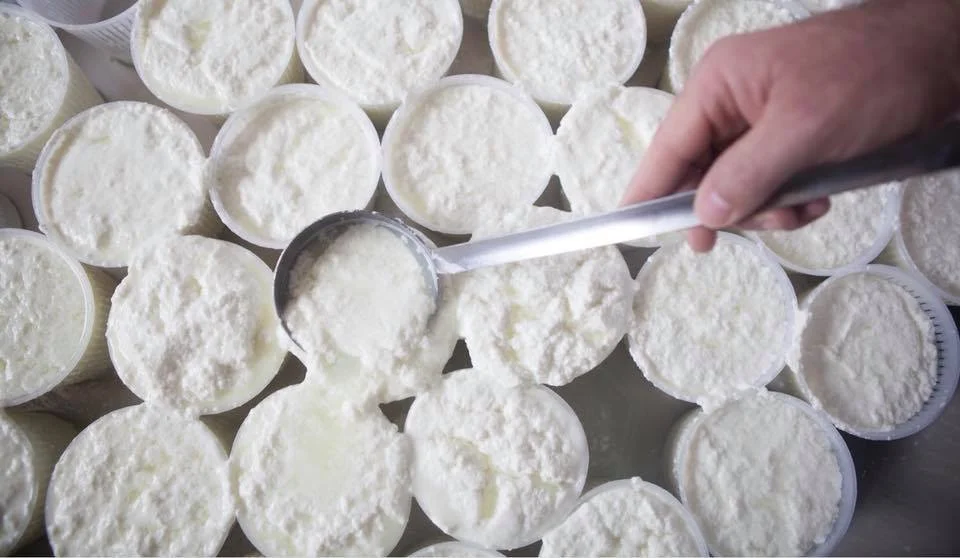
Ricotta is a dairy delight named after the process of re-cooking the whey, which means it’s technically not a cheese but a whey cheese product.
It’s pure white, without a rind, and its texture can range from creamy to slightly grainy depending on the milk used — whether cow, sheep, goat, buffalo, or a blend.
Types of Ricotta
Ricotta varies according to the type of whey, fat content, and production method.
As mentioned, the whey might come from cows, sheep, goats, buffalo, or a mixture of these.
Cow’s milk ricotta can be either sweet or salty.
Its character is also shaped by geography: Sardinian ricotta is typically cylindrical in shape.
Roman ricotta is known for its distinctive truncated cone shape and drier texture, while Tuscan ricotta is notably lean and delicate.
In southern Italy, particularly Calabria and Sicily, ricotta is often made from goat or sheep’s milk.
Using Ricotta in the Kitchen
This dairy staple is a cornerstone of Sicilian cooking, starring in both sweet and savoury dishes.
In desserts, beyond tarts and cakes, it’s essential in some of Sicily’s most famous sweet treats known worldwide: cannoli, cassata, sfince di San Giuseppe, baked raviole filled with ricotta, and many more.
For savoury dishes, ricotta is commonly used as a filling for cassatelle and rustic pies, as well as a creamy addition to pasta sauces and pestos, including the celebrated Sicilian pesto.
Buying Tips
When choosing ricotta, the key is to check the fat content — for industrially produced ricotta, a careful read of the label will do.
If you’re after artisan ricotta, it’s best to buy from a trusted local producer.
In Sicily, there are many makers renowned for their exceptional quality ricotta.
Storage
Ricotta is highly perishable and should be enjoyed very fresh. Bear in mind that the drier the ricotta, the longer it will keep.