Ricette di Sicilia
Cibo, cultura e tradizioni siciliane
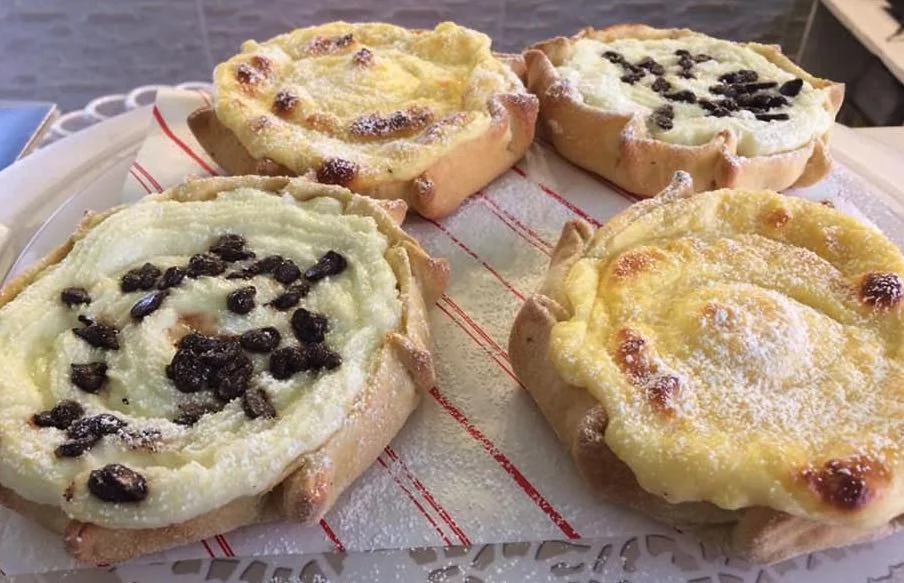
Ragusan Cassatelle: Authentic Sicilian Easter Sweet Pastry
Discover Ragusan Cassatelle, a traditional Sicilian Easter dessert with ricotta and chocolate, celebrated for its crisp pastry and aromatic filling.
📖 What is it
Discover Ragusan Cassatelle, a traditional Sicilian Easter dessert with ricotta and chocolate, celebrated for its crisp pastry and aromatic filling.
🛒 Ingredients
- ✓ 500 g durum wheat semolina flour
- ✓ 150 g lard
- ✓ 2 eggs
- ✓ 3 tbsp caster sugar
- ✓ Salt
- ✓ Half a sachet of baking powder
- ✓ A small glass of white wine
- ✓ 700 g sheep’s milk ricotta
- ✓ 200 g sugar
- ✓ Chocolate chips
- ✓ Cinnamon
📊 Nutritional Information
Ragusan Cassatelle are traditional sweet pastries from Sicily’s Iblean region, especially beloved during Easter celebrations. These delicate baskets filled with ricotta, cinnamon, and chocolate chips embody Sicilian hospitality and festive joy. Enjoyed year-round in Ragusa, they represent the warmth and generosity of Sicilian family kitchens.
👨🍳 Preparation
- 1
Make the dough: In a large bowl, combine the flour, baking powder, sugar, eggs and softened lard. Add the white wine gradually - just enough for the dough to absorb it - and mix well. Add the salt last and knead until soft and elastic. Cover with a cloth and leave to rest for about two hours in a cool, dry place.
- 2
Prepare the ricotta cream: While the dough rests, drain the ricotta thoroughly. Mix with the sugar, then sieve for a smoother texture. Stir in the chocolate chips and cinnamon until you have a uniform cream. Set aside.
- 3
Shape the baskets: Roll out the dough on a floured surface. Use a cutter or a glass to make circles about 15 cm in diameter. Cut thin strips of dough to create the basket edges.
- 4
Assemble: Place a thin strip of dough along the inner edge of each circle to form a small basket. Seal by pinching the dough at intervals.
- 5
Fill and bake: Prick the base of each basket with a fork. Fill with the ricotta cream using a piping bag or spoon. Bake in a static oven at 200°C for 15–20 minutes, or until golden and fragrant.
🧠 Why It Works
The success of Ragusan Cassatelle lies in the harmonious balance between the slightly enriched, crisp pastry made from durum wheat semolina and lard, and the creamy ricotta filling scented with cinnamon and enriched by chocolate chips. The dough’s elasticity, achieved through careful kneading and resting, ensures a delicate yet sturdy basket shape that crisps perfectly in the oven. The subtle acidity of white wine in the dough enhances the pastry’s flavour, while the sweetness of sugar and the aromatic warmth of cinnamon complement the natural creaminess of sheep’s milk ricotta. This interplay of flavours and consistenza reflects the culinary traditions of Ragusa, where ingredient quality and cooking technique converge to create a dessert that is both refined and deeply rooted in Sicilian Easter customs.
🛠️ Troubleshooting
Why is my dough too dry or crumbly?
This may result from insufficient white wine or uneven mixing. Gradually add wine while kneading until the dough is soft and elastic but not sticky.
What if the ricotta filling is too watery?
Drain the ricotta thoroughly and sieve it to remove excess moisture before mixing with sugar and flavourings to ensure a smooth, stable filling.
How to fix cassatelle that lose their shape during baking?
Ensure the dough is well rested and elastic before shaping. Pinch the basket edges firmly and prick the base to prevent puffing, maintaining the basket form.
Can I prepare the dough or filling in advance?
Yes, the dough can rest for up to two hours before shaping, and the ricotta filling can be prepared earlier and refrigerated, allowing flavours to meld.
How to reheat cassatelle without losing crispness?
Reheat in a static oven at low temperature (around 150°C) for a few minutes to refresh the pastry’s crispness without drying out the filling.
💡 Tips and Variations
For a richer filling, add a little grated lemon zest to the ricotta mixture. For a lighter version, replace the lard with butter.
📦 Storage
- • Store in an airtight container in the fridge for 2–3 days.
- • To freeze, wrap each cassatella individually in cling film and freeze for up to 2–3 months.
- • Avoid humid environments to preserve the crispness of the pastry.
🍷 Pairing
A Moscato Passito di Pantelleria DOC, with its intense aromatic profile and balanced sweetness, complements the creamy ricotta and chocolate notes of Ragusan Cassatelle perfectly. For a second Sicilian option, an Etna Bianco DOC offers vibrant acidity and mineral freshness that contrast the pastry’s richness, enhancing the cinnamon’s warmth. Alternatively, a Fiano di Avellino DOCG from Southern Italy provides elegant floral aromas and a structured palate, harmonising with the dessert’s delicate balance of sweet and spiced flavours.
❓ F.A.Q.
What makes Ragusan Cassatelle different from other Sicilian pastries?
Ragusan Cassatelle are distinguished by their unique basket shape made from semolina dough enriched with lard and white wine, filled with a ricotta cream scented with cinnamon and chocolate chips, reflecting the specific culinary traditions of the Iblean area.
Can Ragusan Cassatelle be made ahead for Easter celebrations?
Yes, they can be prepared in advance and stored in an airtight container in the fridge for 2–3 days or frozen individually for up to 2–3 months, preserving their crispness and flavour for festive occasions.
How do I ensure the pastry remains crisp after baking?
Avoid storing cassatelle in humid environments and keep them in airtight containers once cooled. Reheating briefly in a low oven can help restore their crispness if needed.
Are there variations to the traditional ricotta filling?
Yes, adding grated lemon zest to the ricotta mixture enriches the aromatic profile, while substituting lard with butter in the dough offers a lighter pastry without compromising authenticity.
Is it necessary to use sheep’s milk ricotta for the filling?
Sheep’s milk ricotta is traditional and provides a richer, slightly tangy flavour essential to authentic Ragusan Cassatelle, but high-quality cow’s milk ricotta can be used as a substitute if unavailable.
🏛️ History and Tradition
The Origins of Cassatelle from Ragusa
Cassatelle from Ragusa are among the most distinctive Easter sweets of south-eastern Sicily, particularly within the Hyblean area. Although their name recalls the more famous Sicilian cassata, the Ragusan version has developed its own identity over time. More modest in appearance than the ornate Palermo cassata, these pastries are typically shaped into half-moons or small baskets and filled with a soft, fragrant mixture that reflects the agricultural character of the region.
Historical Roots: Between Arab Influence and Christian Tradition
Like many Sicilian desserts based on ricotta and sugar, cassatelle can be traced back to the Arab presence on the island between the ninth and eleventh centuries. During this period, techniques for refining sugar and flavouring dairy-based fillings became widespread. Over time, these culinary practices merged with Christian festive traditions. Easter, marking the end of Lent, became the natural occasion for preparing rich, celebratory sweets, and cassatelle found their place within this seasonal context.
An Easter Specialty of the Hyblean Region
In the province of Ragusa, cassatelle are closely associated with Holy Week and the days leading up to Easter Sunday. Traditionally prepared at home, they required patience and care, with several generations often involved in the process. The pastry is rolled thinly and filled with fresh sheep’s milk ricotta sweetened with sugar and occasionally enriched with chocolate chips or candied citrus peel. In some variations, local fresh cheese known as tuma is used, lending a slightly firmer texture and a delicate milky flavour.
Symbolism and Festive Meaning
Beyond their flavour, cassatelle carry symbolic weight. After weeks of Lenten restraint, the use of ricotta and sugar signalled a return to abundance and celebration. Their pale filling evokes purity and renewal, themes central to the Easter message. Sharing these pastries with relatives and neighbours reinforced social bonds and expressed wishes of prosperity and joy.
Artisan Continuity and Local Identity
Today, cassatelle from Ragusa continue to be prepared in homes and bakeries throughout the region during the Easter season. While minor variations may appear in shape or flavouring, the essential structure remains unchanged. This continuity reflects the deep-rooted connection between food and identity in the Hyblean landscape, where culinary tradition acts as a bridge between past and present.
A Sweet Expression of South-Eastern Sicilian Heritage
Cassatelle from Ragusa embody the layered history of Sicily, where Arab culinary techniques, Christian symbolism and rural life converge. Each spring, their preparation renews a centuries-old ritual, preserving not only a recipe but a shared cultural memory that defines the gastronomic soul of the region.
Thank you for joining us in discovering these wonderful Ragusan cassatelle - a true Easter treasure from Sicily. Whether for a festive table or a simple moment of indulgence, they’re sure to delight. Buon appetito!
Rate this recipe
4.8/5 (125)
Click or tap the stars to rate