Overview
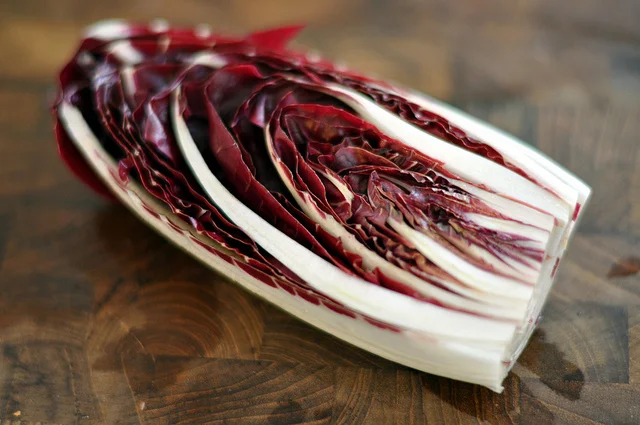
Radicchio is a crisp-leaved vegetable known for its distinctive bitter taste, belonging to the Composite family.
Though it’s primarily cultivated in Veneto, where centuries-old traditions nurture its growth, radicchio’s appeal extends far beyond.
This versatile vegetable lends itself beautifully to a variety of dishes—from fresh salads and hearty soups to risottos, pasta, and grilled delights.
Its bitterness can be softened through cooking or balanced with sweeter ingredients like apples or walnuts.
Radicchio is also a nutritional powerhouse, packed with health-boosting properties.
It’s rich in vitamins (notably C and E), minerals, and antioxidants.
Regular consumption is linked to a lowered risk of cardiovascular diseases and certain cancers.
In short, radicchio is a wonderfully adaptable vegetable with a unique flavour that’s well worth exploring in your kitchen.
Seasonality
Part of the composite family, radicchio can be grown at various times of the year but is most closely associated with the autumn and winter seasons.
Its seasonality depends on factors such as temperature, sunlight, rainfall, and cultivation methods.
Typically, production begins in summer when growers sow seeds in greenhouses, harnessing natural warmth and light to encourage healthy growth.
After three to four weeks, the young radicchio plants are transplanted outdoors to mature.
The growing period varies by variety, but harvesting usually takes place from late summer through early autumn.
Radicchio is at its best in the cooler months, when crisp temperatures help develop its signature bitter leaves.
Frequent autumn and winter rains also encourage the vegetable to grow larger and more robust.
There are several types of radicchio, each with its own traits and specific growing season.
For example, Radicchio di Treviso is mainly harvested between September and January, while Radicchio Rosso di Chioggia is available from October through to June.
Understanding seasonality is key when buying fresh radicchio and planning meals around this vibrant vegetable.
Above all, choosing local, seasonal produce supports sustainable farming and benefits the planet.
Varieties of Radicchio
Radicchio comes in many shapes and shades, all united by the presence of intibina, a compound responsible for its characteristic bitter flavour.
The Radicchio Rosso di Treviso is perhaps the most famous, recognised by its elongated shape, white tip, and deep red leaves.
Other notable varieties include Radicchio di Chioggia, with heart-shaped, dark crimson leaves, and Radicchio di Verona, featuring narrow, pale red leaves with white tips.
There’s also Radicchio di Castelfranco, prized for its creamy leaves streaked with red veins and a good dose of vitamin C, as well as the curly-leafed radicchio riccio, which is rounder and more frilled.
Lastly, the wild radicchio, or radicchio di campo, grows naturally with irregular, tough, dark green leaves and a particularly intense, bitter flavour.
Each variety offers unique qualities but all share a wealth of vitamins, antioxidants, and anti-inflammatory compounds that make radicchio a superb choice for health-conscious food lovers.
Nutritional Profile
Radicchio is a nutrient-rich vegetable brimming with health benefits.
It’s especially high in vitamins C and K, folate (vitamin B9), and potassium.
Vitamin C acts as a powerful antioxidant, shielding cells from damage, while vitamin K supports blood clotting and bone health.
Folate is crucial for nervous system function and red blood cell formation, and potassium helps maintain fluid balance and proper muscle and nerve function.
Radicchio also contains anthocyanins, natural pigments that give it its striking purple-red hue.
These anthocyanins are potent antioxidants linked to reduced risks of heart disease, diabetes, and cancer.
Moreover, the intibina in radicchio has anti-inflammatory properties that may help prevent conditions like arthritis and asthma.
Low in calories but high in fibre, radicchio is ideal for those watching their weight or seeking to improve digestion and stave off constipation.
Whether eaten raw or cooked, radicchio adds a burst of flavour and nutrition to salads, pasta, risottos, and more.
How to Clean Radicchio
Cleaning radicchio properly is essential to remove any dirt and preserve its delicate flavour and texture.
Start by gently scraping the outer leaves with a steel grater or a smooth knife to discard any wilted or damaged leaves.
Next, soak the radicchio in cold water for about ten minutes, changing the water occasionally and gently rubbing the leaves to wash away any lingering soil.
Trim off the tough base, then separate the leaves according to your recipe’s needs.
Smaller leaves can be left whole, while larger ones are best halved or sliced, removing any fibrous parts.
Once cleaned, radicchio is ready to be enjoyed raw in salads or cooked in a variety of ways—sautéed, roasted, or stewed.
Given its bold, bitter flavour, ensuring radicchio is thoroughly cleaned helps you savour its true taste and nutritional benefits.
Cooking with Radicchio
Radicchio can be enjoyed both raw and cooked, making it a wonderfully adaptable ingredient.
It shines in dishes like radicchio risotto, pasta with radicchio and pancetta, roasted radicchio dressed with salmoriglio (a Sicilian lemon and herb sauce), or simply as a fresh salad.
It also works beautifully as a side dish alongside meat or fish, or stirred into soups and stews.
One of radicchio’s defining features is its bitter edge, which can be mellowed by the right cooking methods.
For instance, roasting radicchio with a drizzle of extra virgin olive oil, a splash of balsamic vinegar, and a sprinkle of sugar transforms it into a sweeter, more delicate treat—perfect as a side or atop bruschetta.
Raw radicchio is equally delightful, especially when paired with fresh fruit or nuts like walnuts to balance its bitterness.
Explore a variety of Sicilian recipes featuring radicchio to truly appreciate its versatility and charm.
Tips for Buying Radicchio
Choosing the perfect radicchio might seem straightforward, but there are a few key points to keep in mind to ensure you bring home a fresh, flavoursome vegetable.
First, consider the variety—each has its own taste, texture, colour, and seasonality, so pick one that suits your cooking plans.
Next, pay attention to seasonality; radicchio is best in autumn and winter, so buying it during its local harvest guarantees freshness and peak flavour.
Look for radicchio that’s firm and compact, with crisp, white-tipped leaves and intact roots.
Avoid any showing signs of wilting or mould, as these indicate it’s past its prime.
Also, check carefully for any insect damage or pests, and if possible, buy from local producers or agricultural cooperatives to ensure quality and traceability.
Following these simple tips will help you select radicchio that adds a burst of flavour and nutrition to your dishes.
Storing Radicchio
Proper storage is key to keeping radicchio fresh and tasty for as long as possible.
Choose radicchio with firm, vibrant leaves and wash it thoroughly before drying with a clean tea towel.
The best way to store it is in the fridge, ideally in a cool, humid spot.
Wrapped in a plastic bag or kept in an airtight container, radicchio will keep well for up to five days.
You can also store it in a cool, dry place away from direct heat and light, using a crate or paper bag to allow it to breathe—this can extend its shelf life by a few days.
Freezing is an option, though it may affect texture and flavour.
If freezing, wash, chop, and blanch the radicchio briefly before cooling and packing into freezer bags, where it can be kept at -18°C for up to six months.
Traditional preservation methods include storing radicchio in oil or vinegar.
For oil preservation, slice the radicchio and pack it into a jar filled with extra virgin olive oil.
For pickling, cut into rounds and submerge in vinegar with flavourings like garlic, black pepper, and sage.
Seal the jars tightly and keep them in a cool, dark place.
Radicchio preserved this way makes a lovely starter or a flavourful addition to salads and warm dishes.