Overview
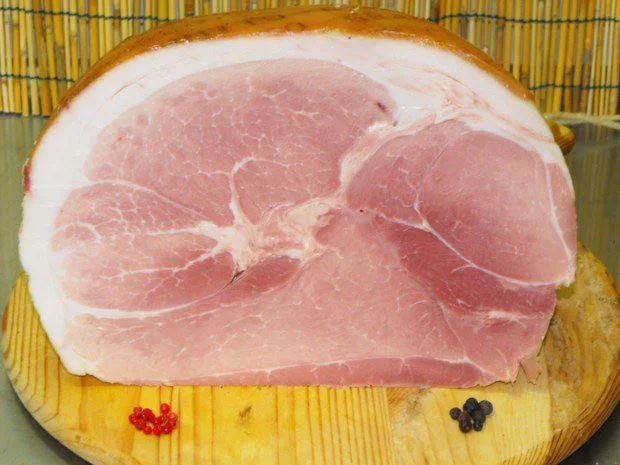
Prosciutto cotto is a cooked ham made from the boned hind leg of the pig.
The meat is seasoned with a blend of spices, gently massaged, and then shaped in moulds before being steamed to perfection.
Its classic pink hue (often, regrettably, enhanced by industrial additives and colourings) is matched by a mild, pleasing flavour that has made it a beloved deli staple.
Varieties of Prosciutto Cotto
Across Italy, prosciutto cotto is predominantly produced in the northern regions, each with its own regional recipes. The main producers include Lombardy, Piedmont, and Emilia-Romagna.
There are several types of prosciutto cotto, differing in the quality of pork used, preparation methods, curing times, and added ingredients.
One of the most traditional varieties is the classic prosciutto cotto, crafted from high-quality pork and naturally cured without preservatives or artificial additives. This style is often regarded as the finest for flavour and texture.
Another option is the low-sodium prosciutto cotto, made with less salt than the traditional version. This is ideal for those mindful of their salt intake but still wanting to enjoy the ham’s distinctive taste.
Some prosciutto cotto varieties are enhanced with herbs and spices such as garlic, black pepper, or rosemary to deepen the flavour. Others may be lightly smoked to add a subtle smoky note.
Nutritional Profile of Prosciutto Cotto
Prosciutto cotto is an excellent source of high-quality protein and provides important nutrients like B vitamins, iron, and selenium. However, it is also relatively high in sodium and saturated fats, so it’s best enjoyed in moderation.
Calorically, this ham contains around 100-120 calories per 100 grams. Nutritionally, a 100-gram serving offers approximately 18-20 grams of protein, 1-2 grams of fat, and 1-2 grams of carbohydrates. It also supplies B vitamins including B1, B2, B3, and B6, alongside minerals such as iron, selenium, and zinc.
On the flip side, as mentioned, prosciutto cotto can be quite salty, with sodium levels reaching 1000-1200 milligrams per 100 grams. This means it should be eaten sparingly, especially by those managing high blood pressure or aiming to reduce salt in their diet.
Using Prosciutto Cotto in the Kitchen
In the kitchen, prosciutto cotto is enjoyed both on its own and as a key ingredient in many dishes.
When of good quality, it’s a delightful snack for aperitifs—rolled around breadsticks or paired with fresh figs.
It’s also perfect for filling sandwiches, bruschetta, pizzas, and rustic dishes, often paired with mild cheeses to complement its gentle flavour.
Cut into thick slices or cubes, it enriches hearty rice salads or is added to traditional Sicilian baked rice dishes.
Thinly sliced, prosciutto cotto is commonly used to create delicate rolls with veal, turkey, or chicken.
Within Sicilian cuisine, this ham features prominently in a variety of savoury pastries and street food favourites such as arancini, cartocciate, and fried pizzas.
Tips for Buying Prosciutto Cotto
Buying prosciutto cotto might seem straightforward, but a few pointers can help you select the best quality:
- Choose a reputable brand: Well-known producers tend to offer superior flavour and tenderness.
- Check the expiry date: Always look for the freshest product with the furthest date to ensure quality.
- Read the ingredients list: Avoid products with unnecessary additives like preservatives, artificial colours, or flavourings.
- Opt for quality: Higher-grade prosciutto cotto guarantees better taste and texture.
- Buy freshly sliced: Whenever possible, get your ham sliced to order at the deli or butcher for maximum freshness.
Storage
To keep your prosciutto cotto at its best at home, follow these simple guidelines:
- Keep it refrigerated: Store the ham in the fridge, ideally in the coldest part, around 4-5°C.
- Vacuum pack if possible: This helps preserve freshness for longer. If you don’t have a vacuum sealer, wrap it tightly in cling film or foil.
- Use airtight containers: If vacuum packing isn’t an option, store the ham in a sealed plastic or glass container to keep out air and moisture.
- Don’t keep it too long: Consume within 5-7 days of opening. If you notice any off smells or colour changes, it’s best to discard it.
- Avoid heat sources: Always store away from ovens or stoves to prevent drying out or warming.