Overview
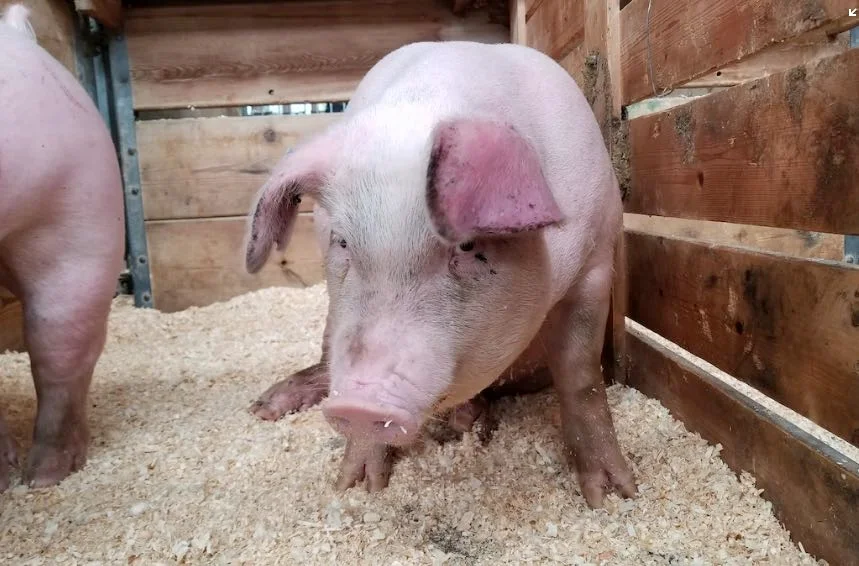
Today, pork is the most widely farmed livestock, cherished for its culinary versatility and much more.
Pork isn’t just prized for the table; various parts lend themselves to other uses — bristles for brushes, bones for glue — highlighting its valuable role beyond food.
An omnivorous mammal, the pig was once synonymous with indulgence and fattiness. Yet, in truth, pork includes many lean cuts that are every bit as wholesome.
Seasonality
Nowadays, pork is available all year round in the market.
That said, a few decades back in Sicily, summer months saw a dip in consumption due to the heat making rich, fatty meat harder to digest.
In fact, it was often impossible to find freshly made pork sausages during the sultry summer months.
Varieties of Pork
Pigs are generally classified by age.
First is the piglet, or “lattonzolo”, still nursing solely on its mother’s milk — a delicacy when grilled over open flames (see the recipe for maialino alla brace).
Later, male pigs are castrated to prevent any unpleasant odours in the meat, becoming known as “magroni”.
Once they reach over 100 kg, they’re ready for slaughter.
Pork is offered in a multitude of cuts, including:
- Loin: the muscles along the back and spine;
- Rack: the rear ribs, yielding superb chops and ribs perfect roasted or grilled;
- Tenderloin: the prized, lean, and flavoursome cut;
- Backstrap: the central spine section along with the tenderloin;
- Neck: closest to the neck, used to produce the famed coppa;
- Hind leg: exquisite roasted and the source of prosciutto;
- Belly: a fattier cut taken from the pig’s underside;
- Ribs: a rich and tasty cut, partially deboned ribs;
- Shoulder: the front leg, ideal for roasting; with bone, it’s called the shank;
- Feet: used in making zampone;
- Cheek: a fatty cut from head to throat, often cured and smoked, and also essential in cotechino sausage;
- Lard: the fat layer beneath the skin, sliced thinly then salted and spiced — a specialty in butcheries around Catania and Sicily’s uplands.
These cuts form the basis for a plethora of traditional cured meats.
Sicily boasts exceptional charcuterie, notably in the Messina area where the indigenous Nero dei Nebrodi pig is raised, producing the protected Salame Sant’Angelo IGP.
Butcheries island-wide craft artisanal salamis, often using regional local gems like Bronte pistachios and Trapani sea salt to enhance their character.
Among prominent cured meats, some though not originally Sicilian, you’ll find:
- Mortadella, a blend of pork, veal, fat, pepper and pistachios;
- Prosciutto crudo, dry-cured hind leg, carefully aged;
- Cooked ham, brined and steam-cooked;
- Speck, smoked ham from the hind leg;
- Salami, available in fine and coarse varieties;
- Coppa, from the neck, salted and cured;
- Pancetta, which can be flat, rolled or smoked;
- Sausage, flavoured in Sicily with black pepper and wild fennel seeds; a special mention to the sasizza pasqualora, a thick-sheathed, week-dried sausage full of flavour;
- Würstel, a finely-textured sausage with German origins.
Beyond meat, the pig offers other delicacies: rendered lard known as strutto, crackling, brain, liver and even blood, traditionally used in sanguinaccio.
Nutritional Characteristics of Pork
Pork is a rich source of top-quality protein, packed with all the essential amino acids vital for building and maintaining the body’s tissues.
However, some cuts are high in saturated fats, which if consumed excessively, may elevate the risk of heart disease.
Key nutritional points include:
- Protein: averaging around 26%, pork delivers substantial high-quality protein.
- Fat: fatty cuts carry more saturated fat, whereas leaner parts like loin and tenderloin contain considerably less.
- Vitamins: pork provides valuable B vitamins, especially B1 (thiamine) and B12, plus vitamin D, important for bone health.
- Minerals: it’s a good source of iron, zinc and selenium.
- Cholesterol: similar to fat content, cholesterol levels vary; lean cuts tend to be lower.
Tips for Buying Pork
When selecting pork, bear in mind:
- Choose a trusted retailer: opt for a reputable butcher who can offer insight into the origin and quality of their meat.
- Assess colour: fresh pork has a delicate pale pink hue. Avoid meat appearing dark grey or brownish-streaked.
- Check expiry dates: buy as close as possible to the production date to ensure freshness.
- Pick the right cut: for roasting, fattier cuts like shoulder work brilliantly; for grilling, leaner options such as tenderloin are better suited.
- Smell: fresh pork has a gentle, sweet aroma. Steer clear of any pungent or off-putting smells.
- Texture: the meat should feel firm to the touch, not soft or limp.
Culinary Uses of Pork
As noted, pork comes in many cuts and preparations: exquisite when flame-grilled, ideal for roasting, and splendid in stews.
Cured meats are indispensable, whether in a timeless sandwich or as fillings in a myriad of dishes.
In Sicilian cuisine, pork plays a starring role. Beyond the beloved grilled or stewed sausage, there are specialties like pork rind rolls typical of Messina, the widely enjoyed pork jelly from Catania, hearty pork ragù to dress homemade maccarruna di casa, and many more dishes awaiting discovery.
Storing Pork
To keep pork safely and minimise bacterial growth, consider the following:
- Refrigerate promptly: raw pork should be stored below 5°C, tightly wrapped or in sealed containers to avoid contamination.
- Freeze wisely: raw pork can be frozen for up to six months, ideally frozen soon after purchase to retain quality. Cooked pork is best enjoyed within two to three months when frozen.
- Defrost properly: thaw pork slowly in the fridge for several hours according to size; avoid room temperature thawing to prevent bacterial risks.
- Safe handling: wash hands and utensils thoroughly after handling raw pork to prevent cross-contamination.
- Check freshness: always inspect pork before use, discarding if doubtful.