
Ricette di Sicilia
Cibo, cultura e tradizioni siciliane
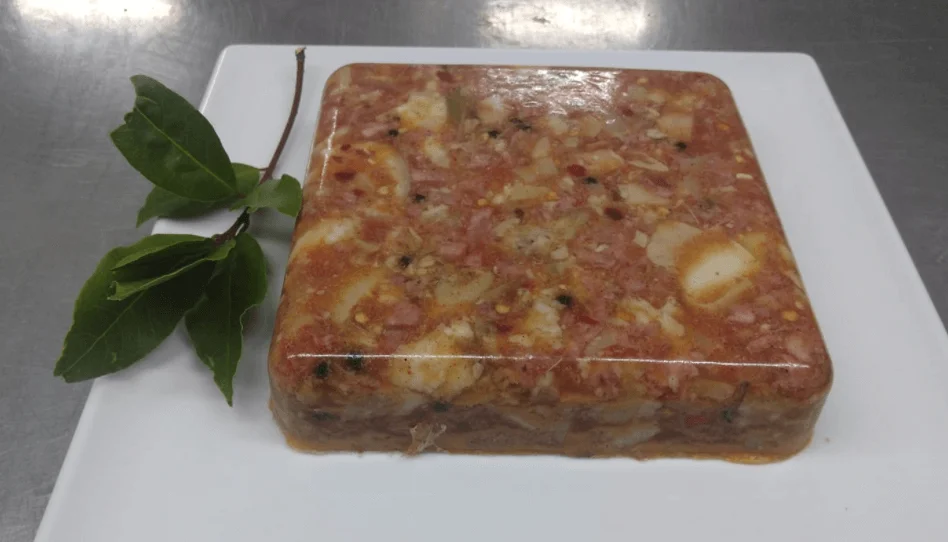
Pork Aspic: A Taste of Catania’s Timeless Tradition
Discover how to make pork aspic, a hearty Sicilian classic bursting with flavour and steeped in festive winter memories from the Catania region.
📖 What is it
Discover how to make pork aspic, a hearty Sicilian classic bursting with flavour and steeped in festive winter memories from the Catania region.
🛒 Ingredients
- ✓ 400g pork shoulder
- ✓ 1 pig’s trotter
- ✓ 1 pig’s ear
- ✓ a mix of rind, snout and cheek
- ✓ 1 carrot
- ✓ 2 bay leaves
- ✓ half an onion
- ✓ 1 celery stalk
- ✓ 1 egg white
- ✓ 1 bitter orange
- ✓ 1 glass of vinegar
- ✓ salt to taste
- ✓ black pepper to taste
📊 Nutritional Information
Step into the heart of Sicily with this authentic pork aspic, a traditional dish that tells tales of rustic country kitchens. Crafted from carefully chosen cuts of pork and infused with Mediterranean herbs, this delightful jelly is best served chilled — perfect for warming up those chilly winter evenings with a touch of wholesome, rustic charm.
👨🍳 Preparation
- 1
Lightly singe the rind, trotter, ear and snout, then scrape and rinse them thoroughly under running water.
- 2
Blanch all the pieces together with the cheek in a large saucepan to remove any impurities.
- 3
In a big pot, add the carrot, celery, bay leaves, onion, a few peppercorns and 3.5 litres of salted water. Toss in the meats and pork shoulder.
- 4
Simmer gently for about 4 hours, skimming off any scum that rises to the surface now and then.
- 5
Once the meats are tender, drain, debone and chop them into pieces. Strain the broth and let it cool slightly before carefully skimming off the fat.
- 6
Return the broth to the heat, whisk in the egg white until frothy, and cook gently for another 15 minutes, covering the pot.
- 7
Strain the jelly once more through a clean cloth, then stir in the vinegar and the juice of the bitter orange.
- 8
Pour the warm liquid over the meat in a terrine and leave to cool completely before chilling in the fridge for at least 4 hours, until set.
💡 Tips and Variations
- •
For a more fragrant twist, add some orange zest during cooking to lend a fresh, citrusy aroma.
- •
A splash of Marsala in the broth will enhance the aromatic notes, giving the aspic a unique character.
- •
If you prefer a firmer set, extend the broth’s simmering time by about half an hour to intensify the gelatine.
- •
To enrich the aspic, include fattier cuts of meat or add whole black peppercorns for extra spice.
- •
For a vegetarian alternative, swap the meat for porcini mushrooms and use agar agar to create a tasty, animal-free jelly.
- •
Use a ceramic or glass mould for a neater presentation and easier slicing.
- •
The secret lies in the slow, gentle simmering which draws out all the rich flavours and achieves the perfect jelly-like texture.
📦 Storage
- • Store the aspic in an airtight container in the fridge, where it will keep its flavour and texture for 3-4 days.
- • Always serve well chilled, sliced thickly, accompanied by fresh citrus or pickled shallots to brighten the taste.
- • Avoid freezing the aspic, as the intense cold can spoil its characteristic jelly texture.
🍷 Pairing
To complement the richness of this pork aspic, opt for a Sicilian red such as a Syrah from the Contea di Sclafani, known for its structure and depth. Alternatively, a young Nero d’Avola balances the dish’s savoury notes beautifully. For something from further afield, a classic Tuscan Chianti offers an elegant, harmonious match.
Making pork aspic is like stepping into a slice of Sicilian culinary heritage, celebrating a kitchen that honours its ingredients and traditions. Treat yourself to this authentic taste, share it with your loved ones, and let its bold, comforting flavours tell the enchanting story of Sicily.
Rate this recipe
Click or tap the stars to rate