Overview
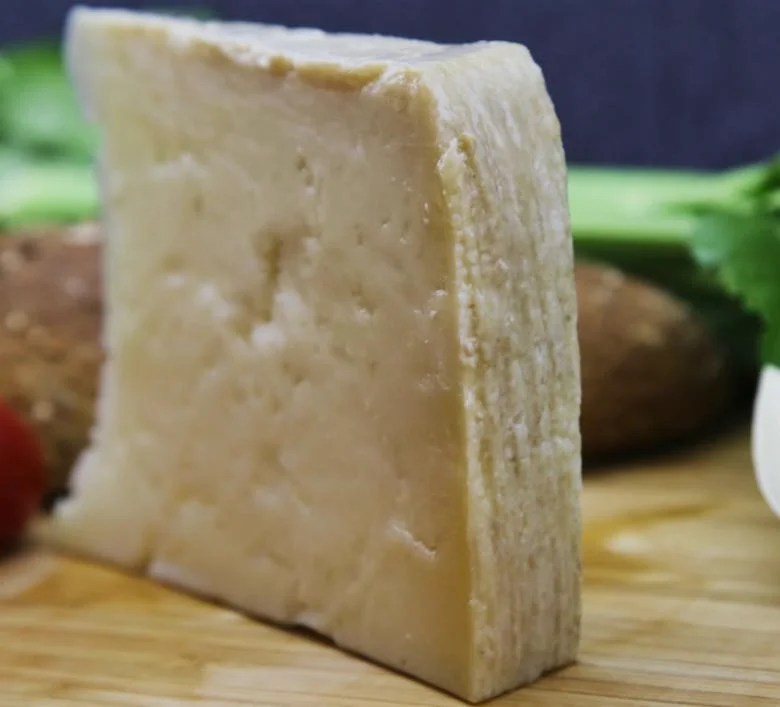
Pecorino is a cheese made from sheep’s milk, which differs from cow’s milk in having more than twice the fat and casein content.
This richness makes the milk particularly suited for cheesemaking.
The cheese itself has a firm texture, ranging in colour from white to pale yellow depending on how long it’s been matured, and sports a thick, hard rind that can be brown or dark grey.
Pecorino comes in several varieties, including Pecorino Romano, Pecorino Sardo, Pecorino Toscano, and Pecorino Siciliano, each with unique traits shaped by their region and production methods.
Among Italy’s protected designation of origin (PDO) cheeses are the Sicilian Pecorino, Piacentino Ennese, and Vasteḍḍa del Belice.
Pecorino is incredibly versatile in the kitchen, lending itself to everything from starters to main courses.
Young pecorino offers a sweet, gentle flavour, while aged pecorino delivers a stronger, more intense taste, often with a subtle peppery kick.
Rich in protein, vitamins, and minerals, it’s a nourishing choice for those seeking a balanced diet.
The history of pecorino stretches back to classical Greek times and it has long been celebrated as one of Italy’s finest cheeses.
Remarkably, pecorino even makes an appearance in Homer’s Odyssey.
Varieties of Pecorino
This cheese is traditionally matured through four stages, each yielding a distinct style:
- Tuma, enjoyed fresh;
- Primo sale, eaten after about ten days;
- Secondo sale, matured between 45 and 90 days;
- And fully aged, after four months or more.
Sicily boasts many pecorino varieties, several recognised as Traditional Agri-food Products (PAT). Notable examples include Belicino, Canestrato, Caciotta degli Elimi, Formaggio di Santo Stefano di Quisquina, Pecorino Rosso, Maiorchino, and Piddiato.
Nutritional Profile
Pecorino is a nutrient-dense cheese, packed with protein, vitamins, and minerals.
On average, 100 grams contains approximately:
- Calories: 386 kcal
- Protein: 25.6 g
- Fat: 32.1 g
- Carbohydrates: 2.3 g
- Calcium: 680 mg
- Vitamin B12: 1.5 mcg
- Sodium: 1.5 g
It’s an excellent source of calcium, vital for healthy bones and teeth, and vitamin B12, important for red blood cell production and nervous system function.
However, pecorino is also high in saturated fats and salt, so it’s best enjoyed in moderation, especially by those with hypertension or high cholesterol.
Longer ageing can increase its salt and fat content.
Using Pecorino in the Kitchen
This cheese is a staple of Sicilian cooking: whether served at the table or grated, pecorino features in countless dishes.
It’s particularly prized for seasoning pasta and stars in traditional Sicilian pizzas and focaccias, such as the famous Palermitan sfincione.
It also adds depth to meat dishes, especially minced preparations like meatballs and meatloaf, as well as baked dishes like timbales and savoury flans.
And of course, it’s delicious simply enjoyed on its own with crusty bread and olives.
Tips for Buying Pecorino
Here are some handy pointers when choosing pecorino:
- Pick the style that suits your palate. Pecorino ranges from sweet and mild to well-aged and robust, so there’s something for every taste.
- Check the origin. PDO pecorino is made in specific Italian regions under strict quality standards.
- Look at the production and expiry dates. Fresh cheese has a shorter shelf life than aged varieties.
- Inspect the cheese’s appearance. The rind should be dry and intact, without spots or cracks. The paste should be firm and even, free from holes.
- Ensure proper storage. Cheese should be kept in a cool, dry place away from heat and moisture, ideally shielded from light.
- Ask the cheesemonger or producer. They can guide you to the perfect pecorino and suggest wine or food pairings.
Storage Advice
To keep your pecorino at its best:
- Store it in the fridge, preferably in the warmest part, wrapped in a cloth or cling film. Alternatively, use an airtight container.
- Avoid placing it near strongly scented foods, as it may absorb their aromas.
- Fresh pecorino should be eaten within a few days, while aged cheese can last for weeks or even months depending on maturity.
- If mould appears, or the rind turns green or grey, cut away the affected area and wash the cheese with water and white vinegar.
- Before serving, let pecorino come to room temperature for at least half an hour to fully reveal its flavour and aroma.