Ricette di Sicilia
Cibo, cultura e tradizioni siciliane
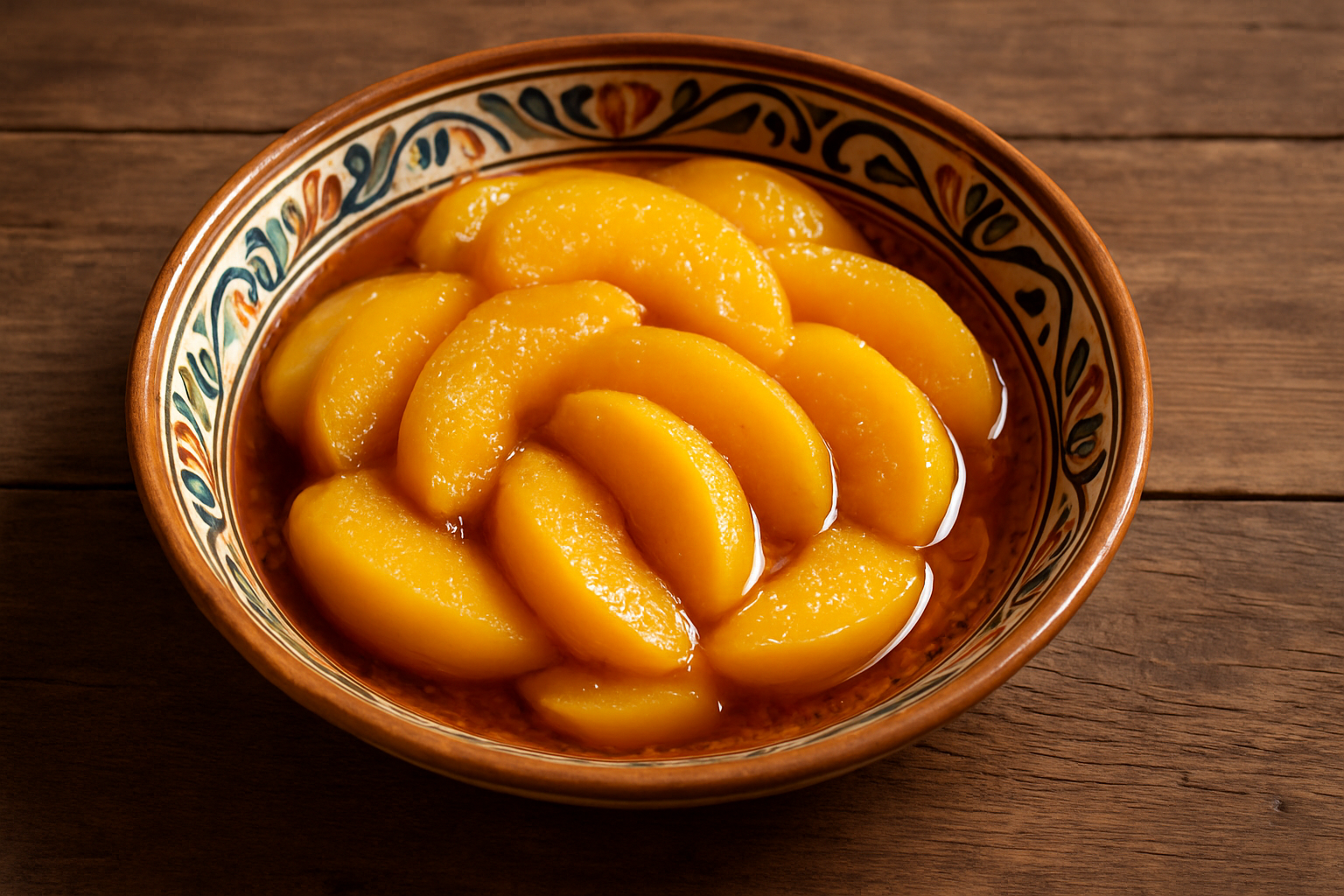
Peaches in Marsala: Classic Sicilian Dessert with Mediterranean Flair
Discover Peaches in Marsala, a fresh Sicilian dessert blending sweet peaches with aromatic Marsala wine for a light, fragrant finish.
📖 What is it
Discover Peaches in Marsala, a fresh Sicilian dessert blending sweet peaches with aromatic Marsala wine for a light, fragrant finish.
🛒 Ingredients
- ✓ 6 yellow peaches
- ✓ 500 ml dry Marsala wine
- ✓ granulated sugar
Peaches in Marsala is a traditional Sicilian dessert where ripe yellow peaches are gently infused with dry Marsala wine, creating a harmonious blend of sweetness and aromatic depth. This refreshing dish captures the essence of Sicily’s Mediterranean climate and culinary heritage, perfect for a light, fragrant conclusion to any meal.
👨🍳 Preparation
- 1
Start by washing the peaches thoroughly, then peel them carefully.
- 2
Cut the peaches into wedges, removing the pit.
- 3
Arrange the wedges in a large bowl and pour the Marsala wine over them.
- 4
Add granulated sugar to taste and stir gently so it is evenly distributed.
- 5
Cover the bowl and let it rest in the refrigerator for at least 1 hour before serving, so the flavors can blend perfectly.
🧠 Why It Works
This dessert balances the natural sweetness and juiciness of yellow peaches with the robust, slightly nutty character of dry Marsala wine. The gentle maceration allows the wine’s aromatic complexity—notes of dried fruit, vanilla, and subtle spice—to permeate the fruit, enhancing its softness and flavour without overpowering it. The granulated sugar adjusts sweetness to taste, complementing the wine’s acidity and creating a refined harmony. The simplicity of ingredients respects Sicilian culinary traditions, emphasizing freshness and regional authenticity while offering a clean, elegant palate experience.
🛠️ Troubleshooting
Why are my peaches too soft or mushy after marinating?
Over-maceration can cause peaches to become too soft; limit refrigeration time to about 1-2 hours to preserve their natural firmness and freshness.
What if the dessert tastes too sweet or too tart?
Adjust the amount of granulated sugar to balance the natural acidity of the peaches and the dryness of the Marsala; start with less sugar and add gradually.
Can I use canned peaches instead of fresh?
Fresh peaches are essential for authentic flavour and aroma; canned peaches lack the natural freshness and may alter the dish’s balance.
How should I store leftover peaches in Marsala?
Store in an airtight container in the refrigerator and consume within 24 hours to maintain optimal flavour and freshness.
Is reheating peaches in Marsala recommended?
This dessert is best served chilled to preserve its fresh and fragrant qualities; reheating is not advised as it diminishes the aromatic profile.
💡 Tips and Variations
- •
Richer version: add a sprinkling of grated Ragusano cheese for a sweet-and-savory contrast.
- •
Use a sharp knife to peel and slice the peaches without damaging them.
- •
The dominant element is the Marsala, which gives the dish its character and aroma.
- •
For a fresher variation, try replacing the Marsala with an aromatic white wine.
- •
To intensify the umami notes, you can add a few finely chopped Lipari capers.
- •
For a vegan and gluten-free version, this recipe is already suitable as it is.
- •
This dessert celebrates the simplicity of Sicilian ingredients, enhancing their natural flavor with just a few steps.
📦 Storage
Store the peaches in Marsala in an airtight container in the refrigerator and consume them within 24 hours to ensure the best freshness and flavor.
🍷 Pairing
A Dry Marsala wine perfectly echoes the dessert’s aromatic profile, reinforcing the peaches’ natural sweetness and enhancing their delicate softness with its warm, nutty nuances. Complementing this, Malvasia delle Lipari offers fresh floral notes and balanced acidity that contrast the sweetness, bringing a lively aromatic freshness to the palate. To conclude, Vermentino di Sicilia, with its crisp acidity and mineral freshness, cleanses the palate elegantly, highlighting the dessert’s delicate fruitiness and making the overall experience feel light and refined.
❓ F.A.Q.
What type of Marsala wine is best for peaches in Marsala?
Dry Marsala wine is preferred for this dessert as it provides a balanced aromatic profile with moderate sweetness, enhancing the peaches without making the dish overly sweet.
Can I prepare peaches in Marsala ahead of time?
Yes, you can prepare the dessert a few hours in advance and refrigerate it to allow the flavours to meld, but it is best consumed within 24 hours to maintain freshness.
Are peaches in Marsala suitable for vegan diets?
Absolutely. This dessert contains only fruit, Marsala wine, and sugar, making it naturally vegan and gluten-free.
How can I intensify the flavour of peaches in Marsala?
Adding finely chopped Lipari capers introduces a subtle umami contrast, while a sprinkle of grated Ragusano cheese offers a sweet-and-savory depth, both enhancing the dish’s complexity.
Is it possible to substitute Marsala wine in this recipe?
Yes, for a fresher variation, aromatic white wines such as Malvasia delle Lipari can replace Marsala, providing floral notes and lighter acidity.
🏛️ History and Tradition
Peaches in Marsala is a quintessential Sicilian dessert that showcases the island’s rich tradition of combining local fruit with fortified wines. Historically, Marsala wine, produced in western Sicily since the 18th century, became a staple in regional gastronomy, prized for its versatility in both sweet and savory dishes. This dessert reflects Sicily’s Mediterranean bounty and the cultural practice of simple yet sophisticated preparations that celebrate seasonal produce. Often enjoyed during summer months when peaches are at their peak, it embodies the island’s culinary identity and reverence for authentic, locally sourced ingredients.
Peaches in Marsala are a perfect example of how just a few genuine ingredients can turn into an elegant dessert rich in tradition, winning everyone over with their simplicity and fragrance.
Rate this recipe
0/5 (0)
Click or tap the stars to rate