Overview
Olives are a fruit packed with numerous benefits and hold a cherished place in the Mediterranean diet.
They grow on trees belonging to the Olea europaea species, thriving mainly in countries bordering the Mediterranean Sea.
The olive tree itself is majestic, with a gnarled, branching trunk and a dense, widespread canopy.
Its leaves are a deep green, slender and elongated in shape.
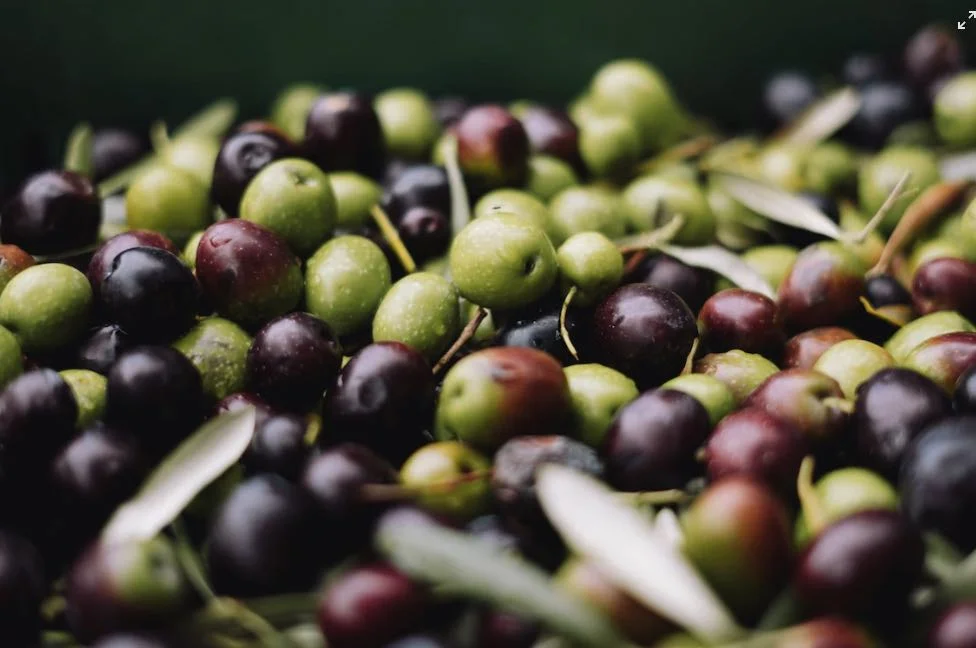
The fruit grows in clusters along the branches, starting green when unripe and turning black as they mature.
Olives come in oval or elongated shapes and vary in size—from the large Kalamata to the tiny Peccanino.
They’re highly nutritious, rich in B vitamins, vitamin E, minerals, healthy fats, and antioxidants.
Thanks to these qualities, olives help protect against heart disease, boost immunity, and stimulate metabolism.
They’re also low in carbohydrates, making them a great choice for those watching their weight.
But olives are more than just healthy—they offer a distinctive flavour that ranges from sweet to bitter, often with a subtle peppery finish.
They feature in countless Mediterranean dishes, from salads and pizzas to focaccias and antipasti.
Plus, they’re a popular, tasty snack enjoyed on their own.
Seasonality
The season for olives varies widely depending on factors like variety, climate, latitude, altitude, and growing region.
Generally, olives are harvested from late autumn through early winter, though this can shift depending on the country.
Olives are an annual fruit, and their picking season is influenced by weather conditions such as temperature, rainfall, drought, and night-time chills.
Once ripe, olives may fall naturally from the tree, so it’s important to gather them promptly to prevent spoilage.
In most Mediterranean regions, harvesting takes place between November and January.
Traditionally, olives are picked by hand, often using sticks to gently dislodge them from the branches.
Some areas use mechanical harvesting to speed up the process and cut costs, though this can sometimes damage the trees and the fruit.
After picking, olives destined for oil are taken to mills for pressing, while table olives undergo specific processing.
The preparation methods vary by region and variety but typically involve removing the outer skin, washing, and then crushing to extract the oil.
Olive Varieties
There’s a wonderful diversity of olives, differing in shape, size, and flavour, each suited to different uses. The most common include:
- Black olives: harvested at full ripeness, these have a rich, mellow flavour. Their softness makes them ideal for eating straight, dressing salads, or making sauces, pâtés, and starters.
- Green olives: picked before full maturity, they carry a slight bitterness, making them perfect for cooking in dishes like antipasti, pizzas, pasta, and seafood recipes.
- Kalamata olives: grown in Greece, these dark, almond-shaped olives have a firm flesh and a finely salty taste. Their intense flavour makes them a favourite for salads, dressings, sauces, and pizza toppings.
- Castelvetrano olives: bright green with a soft, buttery texture and a subtly sweet flavour, they’re perfect for starters, sandwiches, and salads.
- Gaeta olives: small and round, usually black or dark, though sometimes green. Typically salt-cured and brined, they’re popular in seafood salads and other fish dishes.
- Taggiasca olives: small, dark, and oval-shaped, these have a delicate, slightly sweet flavour, making them ideal for salads and garnishes.
- Leccino olives: almond-shaped and usually harvested ripe, they’re soft and aromatic, often used in antipasti, sandwiches, and salads.
Nutritional Profile
Beyond their delicious taste, olives are packed with nutrients and offer a host of health benefits.
They’re rich in healthy fats, protein, fibre, and a broad spectrum of vitamins and minerals.
Notably, olives provide a good amount of vitamin E, a powerful antioxidant that protects cells from oxidative stress and supports immune function.
They’re also a source of vitamin A, essential for maintaining healthy skin and good eyesight.
In terms of minerals, olives contain iron, calcium, and potassium.
Iron helps combat anaemia and boosts energy, calcium is vital for strong bones, and potassium plays a key role in regulating blood pressure and maintaining a steady heartbeat.
Olives are rich in monounsaturated fats, particularly oleic acid, which helps lower bad cholesterol (LDL) and reduces the risk of heart disease.
They also contain omega-3 and omega-6 polyunsaturated fats, important for cardiovascular and neurological health.
Additionally, olives are abundant in natural antioxidants, including polyphenols, which protect tissues and cells from damage caused by free radicals.
These antioxidants are linked to reduced risks of cancer and other chronic illnesses.
However, olives are naturally high in sodium, so those with blood pressure concerns should enjoy them in moderation.
Culinary Uses
Olives are a beloved ingredient in kitchens across the Mediterranean and beyond, featuring in countless recipes.
They make excellent starters and are often served as snacks alongside cheese, fresh bread, and cured ham.
Black olives are perfect for flavouring pizzas and focaccias, while green olives add a lovely touch to meat dishes, such as veal with tuna sauce.
This wonderful fruit is also a key component in salads, especially when paired with tomatoes, cucumbers, peppers, and onions.
Olives are frequently used in sauces and dressings, adding depth and character.
Finally, they’re indispensable in fish dishes, where their bold flavour and firm texture complement oily fish like tuna, swordfish, and anchovies beautifully.
Explore our collection of Sicilian recipes featuring olives to discover their versatility in the kitchen.
Buying Tips
Here are some handy pointers when choosing olives:
- Opt for fresh olives: look for olives that are fresh, well-preserved, and in season. Ideally, buy them when fully ripe to enjoy the best flavour.
- Check their appearance: olives should be smooth, glossy, and free from blemishes or mould. They should feel firm and resilient, not soft or damaged.
- Pick the right preservation method: olives come preserved in brine or oil. Your choice depends on personal taste and the dish you’re preparing. Brined olives are great for starters, while those in oil work well in sauces and dressings.
- Choose organic where possible: organic olives ensure no harmful pesticides have been used, relying instead on natural fertilisers.
- Support quality producers: seek out reputable brands and producers known for high-quality olives.
Storing Olives
Proper storage is key to keeping olives fresh and flavoursome for longer.
Since olives undergo natural chemical and biological changes, it’s important to take care when storing them.
One of the oldest and most popular methods is preserving olives in brine—salted water.
This traditional technique has been used since ancient times and remains widely favoured today.
The oils in olives oxidise quickly when exposed to air, which can cause spoilage.
To prevent this, olives should be harvested and stored promptly.
During storage, olives should be kept in a cool, dry place at a steady temperature around 10°C, ideally in the fridge.
It’s best to store olives in glass or plastic containers, as metal tins can react with the salt and damage the fruit.
Using the right brine solution is also crucial.
A proper brine typically contains water, salt, citric acid, and sometimes vinegar and flavourings.
The salt concentration is vital to preserve the olives and prevent oxidation.
Usually, between 6 and 10 grams of salt per litre of water is used for effective preservation.