Ricette di Sicilia
Cibo, cultura e tradizioni siciliane

Octopus: Characteristics, Varieties and Uses in Sicilian Cuisine
Discover octopus, its culinary uses, varieties, and importance in Sicilian cuisine and Mediterranean cooking traditions.
March 9, 2026
Overview
Octopus is a cherished ingredient in Sicilian and broader Mediterranean cuisine. Known for its tender texture and delicate flavour when cooked properly, octopus is a versatile seafood that features prominently in traditional Sicilian dishes. Its unique taste and culinary adaptability make it a favourite among chefs and home cooks alike, offering a true taste of the sea in every bite.
Recipes using this ingredient
-
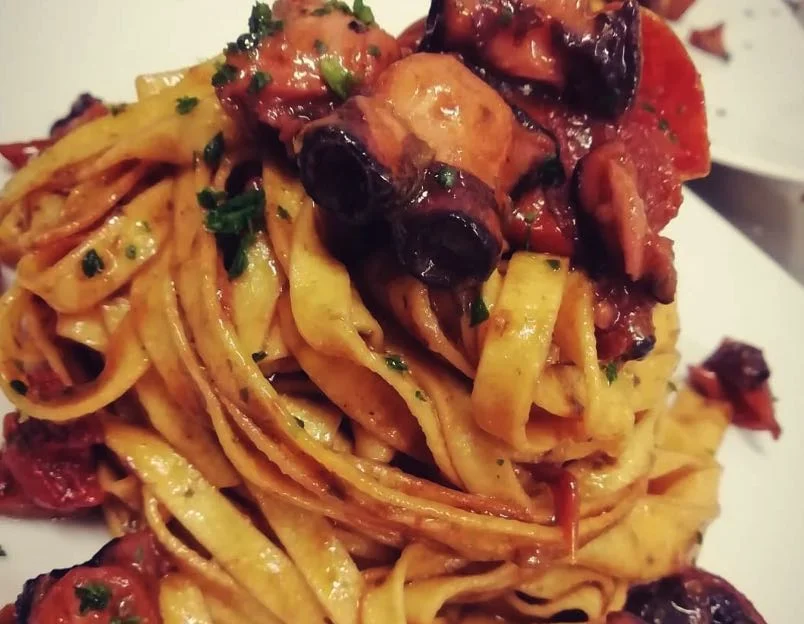 Tagliatelle with Octopus: A Refreshing Taste of Sicily
Discover the recipe for tagliatelle with octopus, a summery dish bursting with authentic Sicilian flavours that beautifully combine the sea and tradition.
-
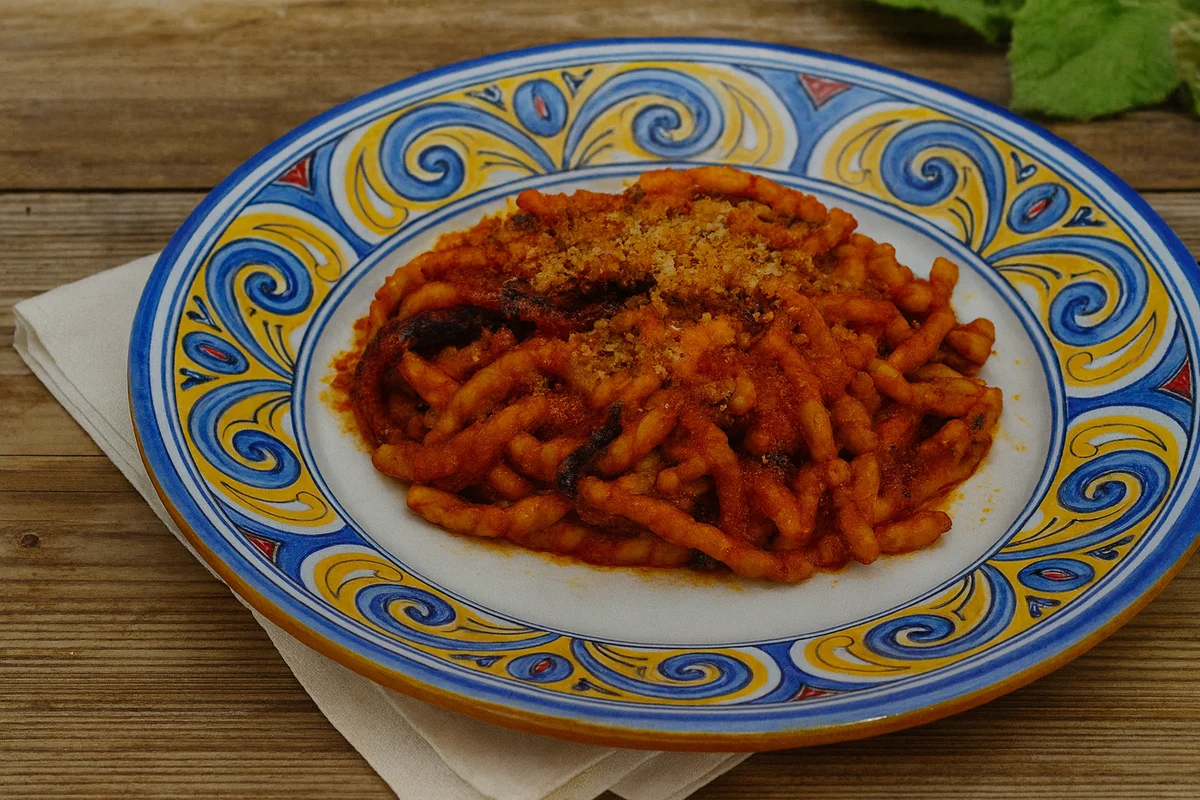 Busiate with Octopus Sauce: A True Taste of Trapani’s Coastal Charm
Dive into the flavours of the Mediterranean with busiate pasta dressed in a rich, aromatic octopus sauce – a beloved classic from Trapani.
-
 Seafood Salad: A Refreshing Sicilian Classic Perfect for Summer
Discover the vibrant flavours of Sicilian seafood salad, a fresh and delightful dish ideal for a sunny lunch with friends.
-
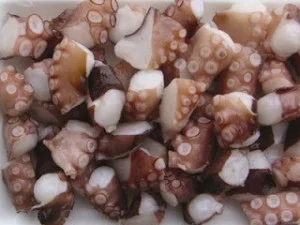 Boiled Octopus: A Beloved Classic of Palermo's Street Food
Dive into the flavours of Palermo with this simple yet scrumptious boiled octopus recipe, bursting with Sicilian tradition and coastal charm.
-
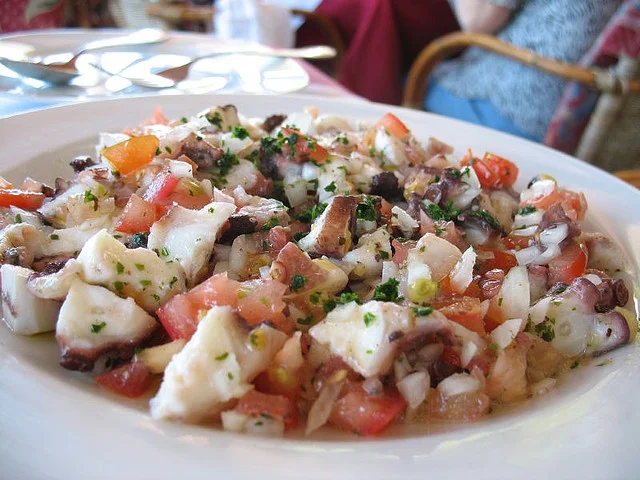 Sicilian Octopus Salad: A Burst of Mediterranean Flavours
Experience the fresh, vibrant taste of the sea with this irresistible Sicilian octopus salad – a perfect summer delight!
Origin and historical context
Octopus has been a staple in Mediterranean diets for centuries, with archaeological evidence suggesting its consumption dates back to ancient times. In Sicily, octopus has long been valued not only for its flavour but also for its cultural significance. Coastal communities relied on octopus as a readily available source of protein, incorporating it into their daily meals and festive occasions. Over time, Sicilian fishermen developed specialised techniques for catching and preparing octopus, which became deeply embedded in local culinary traditions. Today, octopus remains a symbol of Sicily’s rich maritime heritage and its enduring connection to the sea.
Sensory properties
Octopus is known for its firm yet tender flesh, which requires careful cooking to avoid toughness. When fresh, it has a mild, slightly sweet flavour with a subtle briny note reminiscent of the Mediterranean waters it inhabits. The octopus’s texture can range from chewy to melt-in-the-mouth depending on the preparation method. Its appearance is distinctive, with a bulbous head and eight long, suction-cupped tentacles. Octopus is often sold whole, cleaned, or pre-cooked, and its flesh turns a lovely opaque white with a pinkish hue once cooked.
Local varieties
Several species of octopus are found in the Mediterranean, but the most commonly used in Sicilian cuisine is the Common Octopus (Octopus vulgaris). This species is prized for its size and flavour, typically weighing between 1 and 5 kilograms. Other varieties occasionally used include the smaller Eledone moschata, known as the musky octopus, which has a more delicate texture and is sometimes preferred for lighter dishes. Sicilian fishermen harvest octopus mainly along the island’s rocky coasts and in the waters around Trapani and Palermo, where the octopus thrives in the rich marine environment.
Seasonality
Octopus is generally available year-round in Sicilian markets, thanks to local fishing and aquaculture. However, the best season for fresh octopus is from late spring to early autumn, when the waters are warmer and the octopus is at its most tender. During these months, octopus is more abundant and tends to have a sweeter, more delicate flavour. Outside this period, frozen octopus is commonly used, which can still deliver excellent results if properly thawed and cooked.
Nutritional properties
Octopus is a nutritious seafood choice, low in fat and calories while being rich in protein. It provides essential vitamins and minerals such as vitamin B12, iron, zinc, and selenium, which support energy metabolism and immune function. Octopus is also a good source of omega-3 fatty acids, known for their heart health benefits. Its lean profile makes it an excellent option for those seeking a healthy, Mediterranean-style diet without compromising on flavour or texture.
Traditional culinary uses
In Sicilian cuisine, octopus is incredibly versatile, featuring in a variety of traditional dishes that highlight its tender texture and subtle flavour. It is often boiled and served simply with olive oil and lemon, as in the beloved street food classic Boiled Octopus. Octopus also shines in pasta dishes, such as Tagliatelle with Octopus, where it is combined with fresh herbs and tomatoes to create a rich yet balanced sauce. Another regional favourite is Busiate with Octopus Sauce, showcasing the octopus in a hearty ragù that pairs beautifully with the twisted busiate pasta. For lighter fare, Sicilian Octopus Salad offers a refreshing mix of tender octopus with crisp vegetables and citrus, perfect for warm days. The Seafood Salad also often includes octopus, adding depth and texture to this vibrant dish. These recipes demonstrate octopus' adaptability, whether as a main ingredient or a flavourful addition to salads and pasta.
How to choose and store
When selecting octopus, look for specimens with firm, moist flesh and a fresh, briny aroma—avoid any with a strong fishy smell. Fresh octopus should feel heavy for its size and have intact, shiny skin. Store it in the coldest part of your fridge and use within one to two days for optimal freshness. If buying frozen, thaw slowly in the refrigerator to preserve texture. To cook octopus tenderly, consider slow simmering or pre-freezing to break down fibres. Avoid overcooking, which can make the flesh rubbery. For best flavour, pair with simple ingredients like lemon, garlic, and good-quality olive oil to let the natural taste shine.
FAQ
What is octopus in Italian cuisine?
octopus is a popular seafood ingredient in Italian and especially Sicilian cooking, known for its tender texture and mild flavour.
How do you tenderise octopus before cooking?
Traditional methods include freezing the octopus before cooking or gently pounding it to break down muscle fibres, which helps achieve a tender texture.
Is octopus available year-round in Sicily?
Yes, octopus is generally available year-round in Sicily, but the best quality and flavour are found from late spring to early autumn.
What dishes commonly feature octopus in Sicilian cuisine?
Octopus is used in dishes like boiled octopus, octopus pasta sauces such as Tagliatelle with Octopus, and refreshing salads like Sicilian Octopus Salad.
Can I use frozen octopus for cooking Sicilian recipes?
Absolutely. Frozen octopus is widely used and can be just as delicious if thawed properly and cooked with care to maintain tenderness.