Ricette di Sicilia
Cibo, cultura e tradizioni siciliane
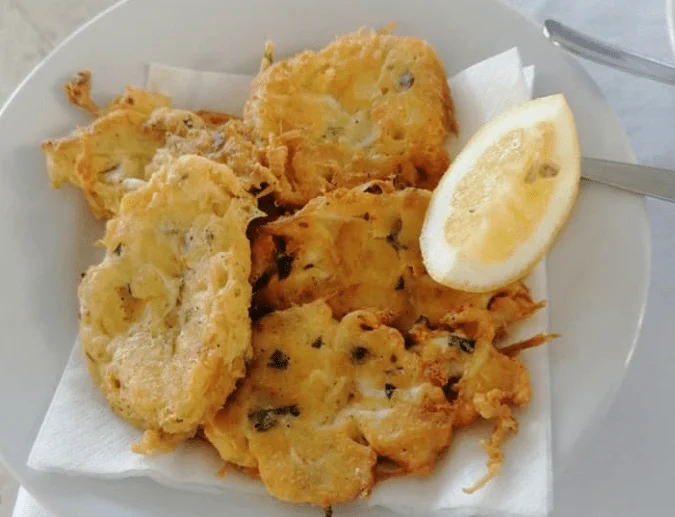
Neonata Fritters (Sicilian Whitebait Fritters)
Authentic neonata fritters from Trapani: crispy Sicilian whitebait fritters with pecorino and lemon. Spring recipe, tips and wine pairing.
📖 What is it
Authentic neonata fritters from Trapani: crispy Sicilian whitebait fritters with pecorino and lemon. Spring recipe, tips and wine pairing.
🛒 Ingredients
- ✓ 900 g young blue fish (novellame)
- ✓ 400 g plain flour
- ✓ 4 eggs
- ✓ 1 clove Nubia red garlic
- ✓ a handful of fresh parsley
- ✓ 100 g aged Sicilian pecorino, grated
- ✓ salt
- ✓ freshly ground black pepper
- ✓ sunflower oil for frying
- ✓ lemon juice
- ✓ lemons to garnish
📊 Nutritional Information
Neonata fritters are traditional Sicilian whitebait fritters from Trapani, made with tiny young blue fish bound with eggs, flour and pecorino, then fried until golden and crisp. Deeply rooted in coastal spring cooking, they celebrate the season’s freshest catch and express the maritime identity of western Sicily with simple, honest ingredients.
👨🍳 Preparation
- 1
Thoroughly clean the young blue fish, removing any impurities.
- 2
In a bowl, mix the cleaned fish with chopped parsley, crushed garlic, a pinch of salt, freshly ground black pepper, grated pecorino, and a few drops of lemon juice.
- 3
Combine this mixture with the beaten eggs and shape into flat patties.
- 4
Fry the fritters in hot oil until golden and crisp.
- 5
Drain on kitchen paper and serve the neonata fritters warm on a serving plate, garnished with fresh lemon slices.
🧠 Why It Works
This recipe succeeds because it balances marine delicacy with structural cohesion and aromatic lift. The neonata (young blue fish) provide natural salinity and softness, while eggs and flour create a stable matrix that holds the mixture without masking the seafood flavour. Aged Sicilian pecorino contributes umami depth and gentle sharpness, enhancing savoury complexity. Nubia red garlic and parsley build a fresh aromatic profile, and a few drops of lemon juice brighten the palate and moderate richness. Frying at 170–175°C ensures rapid surface dehydration, forming a crisp golden crust while preserving internal moisture. The result is textural contrast—crunch outside, tender centre—aligned with traditional Trapani frying techniques.
🛠️ Troubleshooting
Why are my fritters falling apart in the oil?
The mixture may be too wet. Add a small amount of flour and allow the batter to rest briefly so the proteins and starches bind properly.
The fritters are too greasy. What went wrong?
Oil temperature was likely too low. Fry at consistent medium-high heat so the exterior seals quickly and absorbs less oil.
They are too salty. How can I fix this?
Reduce added salt and consider the natural salinity of both the fish and the pecorino before seasoning.
Can I prepare the mixture in advance?
It is best prepared and fried immediately. If necessary, refrigerate the mixture for a few hours and stir gently before shaping.
How should leftovers be stored?
Store in an airtight container in the fridge for up to 48 hours and reheat in a hot oven to restore crispness.
💡 Tips and Variations
- •
For a lighter option, bake the fritters in a preheated oven at 180°C for 15-20 minutes to keep them crisp without frying.
- •
Add a pinch of fresh or powdered chilli to the batter for a gentle kick that enhances the sea flavours.
- •
Experiment with different herbs like wild fennel to vary the aromatic profile while staying true to tradition.
- •
For best results, use a non-stick pan and good-quality olive oil for frying to achieve an even, flavoursome golden crust.
- •
To make a vegan version, swap the young fish for a well-spiced mix of legumes and add a tablespoon of chickpea flour to bind the mixture.
- •
The key to these fritters lies in fresh ingredients and cooking over a moderate heat to maintain a perfect balance of softness and crunch.
📦 Storage
- • Store the fritters in an airtight container in the fridge for up to two days to preserve their flavour and texture.
- • For longer storage, freeze the cooked fritters individually wrapped to prevent sticking, and enjoy within a month.
- • Reheat in a preheated oven at 180°C for about 10 minutes to restore their original crispness before serving.
🍷 Pairing
A Sicilian Grillo offers vibrant acidity, citrus notes and saline minerality that enhance the maritime character of neonata fritters while cleansing the palate from frying richness. Alternatively, a Catarratto from western Sicily provides medium body and subtle herbal nuances that echo parsley and garlic. As an option from the territories of the former Kingdom of the Two Sicilies, a Fiano di Avellino delivers aromatic finesse and bright acidity, creating elegant contrast with the fritters’ crisp texture and savoury depth.
❓ F.A.Q.
What is neonata in Sicilian cooking?
Neonata refers to tiny young blue fish, similar to whitebait, traditionally used in coastal Sicilian recipes, especially in spring.
Are neonata fritters seasonal?
Yes. They are strongly associated with spring, when young fish are more commonly available in local markets.
Can I substitute whitebait for neonata?
If legally and sustainably sourced, small whitebait can be used as a substitute, maintaining similar texture and flavour.
How do I keep fritters crispy?
Maintain oil temperature between 170–175°C, avoid overcrowding the pan and drain on kitchen paper immediately after frying.
Can neonata fritters be baked instead of fried?
They can be baked at 180°C for 15–20 minutes, but the traditional fried version offers superior crispness and flavour development.
Are neonata fritters served as a starter or main course?
They are typically served as a starter or shared appetiser in Sicilian coastal cuisine.
🏛️ History and Tradition
Neonata fritters originate along the coast of Trapani, where spring fishing traditions shaped a cuisine based on immediacy and freshness. Historically prepared in fishermen’s households, they transformed a humble seasonal catch into a celebratory dish. Today, they remain a symbol of western Sicily’s maritime heritage, reflecting a deep connection between sea, seasonality and community table.
Making neonata fritters is like bringing a slice of authentic Sicily into your kitchen – full of sea breeze, tradition, and honest flavours. I warmly encourage you to give this recipe a go, share a taste of Trapani at your table, and spread the joy of this little culinary gem with your loved ones. It’s a wonderful way to celebrate the spirit of island cooking together.
Rate this recipe
Click or tap the stars to rate