
Overview
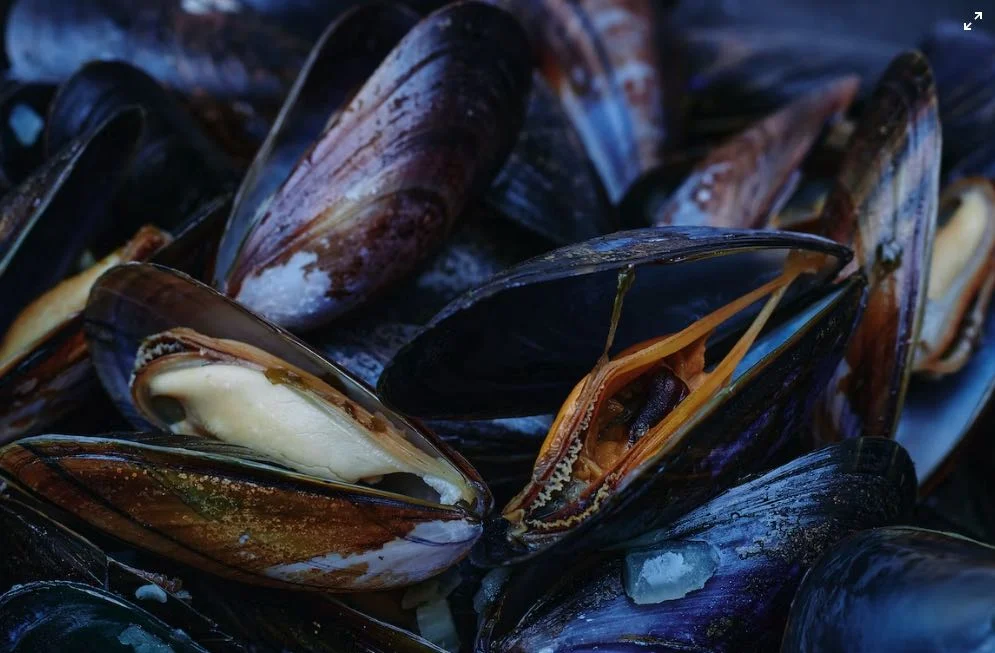
Mussels are bivalve molluscs, meaning they have two hinged shells joined by a muscle.
This muscle allows them to tightly close their shells when threatened or to shield themselves from the sun’s rays.
Mussels are among the most common shellfish found in marine waters, but they are also cultivated through aquaculture.
Their shells usually range from five to fifteen centimetres in length and can display hues of black, brown, blue, green, or violet.
The edible part of the mussel — the tender flesh — is white or orange and boasts a delicate flavour.
Typically, they are steamed with aromatic herbs, garlic, parsley, and often a splash of white wine.
They make an elegant starter or star ingredient in soups and pasta dishes alike.
Mussels are also a fantastic source of protein, vitamin B12, and minerals such as iron and zinc.
They’re considered a low-calorie ingredient, with roughly 70-80 calories per portion.
It’s essential to buy mussels from reputable suppliers to avoid the risk of bacterial contamination.
Before cooking, rinse them thoroughly under cold running water and remove any stray seaweed or debris.
Cook them until their shells open fully — this ensures any unsafe specimens are discarded.
In short, mussels are treasured for their subtle taste and nutritious qualities.
When enjoyed responsibly, they make a wholesome and balanced addition to your diet.
Seasonality
The seasonality of mussels depends on factors like climate, breeding periods, and nutrient availability.
Generally available all year, their quality and quantity vary markedly according to the season.
Their cycle begins in spring when warming waters stimulate active reproduction.
This is when they’re at their tastiest and most nutrient-rich.
Spring is the ideal time to enjoy fresh-caught mussels, as they tend to be plumper and firmer.
Through summer, as sea temperatures peak, mussels continue to grow and reproduce.
However, warmer waters and excess algal growth can sometimes affect their flavour, making it less vibrant, though they remain safe to eat.
Autumn marks their seasonal peak; as waters cool, mussels gather in specific areas, becoming firmer and more flavoursome after storing up nutrients over summer.
This is the moment when they reach their plumpest size and richest taste.
Winter slows their cycle considerably.
Most retreat to sheltered, deeper waters to escape the chill.
During this time, they may lose some flavour and firmness due to depleted nutrient reserves.
To recap: mussels are available throughout the year, but spring and autumn are the finest times to enjoy them fresh and full of flavour.
Summer is a transitional period with a slight dip in taste, and winter sees a reduction in both availability and flavour intensity.
Varieties of Mussels
There are many types of mussels, each with distinct characteristics — from flavour and shape to colour and size.
Broadly, they fall into two groups: native mussels and imported varieties.
Native mussels, found in Italian waters, are prized for their intense taste and the delicate yet savoury texture of their flesh.
The most common natives include the Mediterranean mussels and the Adriatic mussels.
The Mediterranean mussels have a blackish-blue, conical shell, with a thick shell that can require a little patience to open.
Their flesh is sweet and subtly briny, a real delicacy.
By contrast, the Adriatic mussels sport a darker brown, flatter shell.
Their meat has a stronger, slightly bitter edge, which pairs beautifully with garlicky tomato sauces.
Other native Italian types include the Sardinian mussels (Mytilus edulis), known for their distinctive peppery tang, and the Goro mussels (Mytilus galloprovincialis), famed around the Po Delta for their sweet and delicate flavour.
Imported mussels come from countries like Spain, Morocco, and the Netherlands and tend to have a milder taste with softer flesh.
Among these, Dutch mussels (Mytilus edulis) are popular, identifiable by their finely-textured shells and slightly sweet flesh.
Moroccan mussels, on the other hand, are known for a pronounced flavour and more irregular shells compared to native varieties.
Nutritional Profile
Mussels are a nutritional powerhouse, rich in vitamins, minerals, and protein.
They offer important nutrients such as iron, zinc, selenium, and folic acid.
Low in fat, they’re an excellent source of lean protein — ideal for anyone following a calorie-conscious diet.
A 100-gram serving of fresh mussels provides about 20 grams of high-quality protein.
They’re also a good source of omega-3 fatty acids, which support cardiovascular health.
In addition, they’re modest in calories — approximately 70 per 100 grams.
Mussels supply a hefty dose of vitamin B12, vital for brain and nervous system health.
A serving delivers around 40% of the recommended daily intake.
Iron content is noteworthy too, supporting red blood cell production and oxygen transport;
each portion fulfills nearly 30% of daily iron needs.
Finally, they offer selenium, important for thyroid function and immune defence, providing about 70% of your daily requirement per serving.
In summary, mussels provide an array of essential nutrients that contribute to overall health and wellbeing.
How to Clean Mussels
Before cooking mussels, it’s crucial to clean them properly to remove any sand or debris nestled inside their shells.
Cleaning mussels is straightforward but requires care, as their shells are fragile and prone to breaking.
Follow these steps for safe and effective cleaning:
- Start by rinsing mussels under cold running water, using your hands to scrub away any sand or grit on the shells.
- Inspect each mussel and discard any with cracked or open shells that don’t close when tapped, as these may be dead.
- Mussels have a dark thread attached to their shell, known as the ‘beard’, which they use to anchor themselves to rocks. To remove it, gently tug the beard towards the shell opening with your fingers. Avoid using a knife to prevent injury or damaging the shell.
- After bearding, soak the mussels in cool, salted water for about an hour to encourage them to purge any remaining sand or debris.
- After soaking, drain and give the mussels a final rinse under cold running water.
Now the mussels are primed and ready to cook.
To sum up, cleaning mussels involves inspecting their shells, removing the beard, soaking in salted water, and a final rinse for the freshest results.
Cooking with Mussels
Mussels lend themselves beautifully to a variety of culinary preparations.
Once cleaned, they can be steamed, grilled, or simmered in a rich tomato sauce.
The classic Sicilian mussel soup is a prime example: garlic is gently sautéed in olive oil, peeled tomatoes and parsley are added, followed by the cleaned mussels. They cook until the shells open, then the dish is served with crusty bread to soak up the flavours.
Another traditional dish is cozze scoppiate — ‘burst mussels’ — where mussels are cooked with water, garlic, parsley, and olive oil, creating a flavourful broth that can be savoured as a soup or used as a seafood stock base.
Explore a wealth of recipes featuring mussels on our site, each celebrating this superb ingredient.
Buying Tips
To ensure a satisfying experience, here are some handy pointers when selecting mussels:
First off, buy from trustworthy fishmongers for guaranteed freshness and safety.
Look for shells that are tightly closed, plump, and uniformly coloured, free from cracks or damage.
If any are slightly open, give them a gentle tap — they should close promptly. If not, discard them.
Size matters: choosing medium to large mussels will generally offer a richer, meatier bite, while smaller ones might lack flavour.
Before cooking, wash them thoroughly under cold running water and remove any remaining fibres.
For the fullest flavour and freshness, cook your mussels as soon as possible after purchase.
In brief, prioritise freshness, source, size, and proper cleaning to fully enjoy one of the sea’s most delectable gifts.
Storing Mussels
Proper storage is key to maintaining the freshness and safety of your mussels.
These delicate shellfish require careful handling during storage.
Once bought, keep mussels refrigerated between 2°C and 8°C.
Avoid leaving them at room temperature for longer than two hours to minimise bacterial risks.
Before storing, cleanse and rinse the mussels thoroughly under running water.
Use a stiff brush to gently remove any lingering debris from the shells.
Store them in a breathable container or a loosely sealed plastic bag, ideally resting on some ice, ensuring they’re not crushed.
The ice helps keep the temperature steady and prevents excess moisture build-up.
Before cooking, soak mussels in cold water for a couple of hours to help purge any grit and impurities.
Never store mussels submerged in freshwater, as they will suffocate and perish without oxygen.