Overview
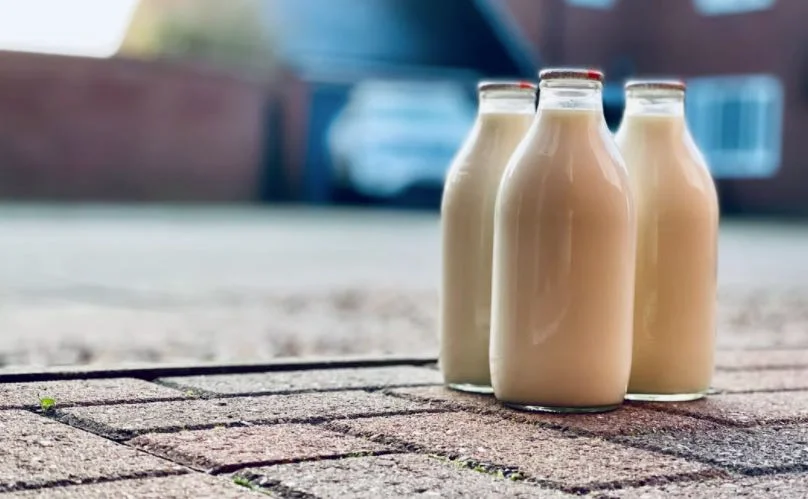
Milk is a staple food – in fact, it’s the very first nourishment we receive in life.
It’s packed with nutrients, including proteins, calcium, phosphorus, vitamins A and B, as well as lactose, which is a carbohydrate.
From milk, we get a variety of products: cheese, yoghurt, cream, butter – all of which are everyday essentials in our diet.
When we say “milk” we usually mean cow’s milk, but it can also come from other animals like goats, buffalo, or sheep, or even be plant-based, such as oat, coconut, rice, or almond milk.
Italian law requires clear labelling if the milk is sourced from animals other than cows.
Types of Milk
Based on Fat Content
Milk comes in various types, each with its own characteristics.
Depending on the fat content, milk can be:
- whole: with fat content kept at around 3.6%;
- semi-skimmed: containing between 1.5% and 1.8% fat;
- skimmed: with less than 0.3% fat.
Commercial milk is homogenised, meaning the fat particles are broken down so they don’t separate over time.
Based on Processing
Milk is also classified by how it’s treated:
- raw: rarely found in shops, more common in rural areas directly from the farm, where both animals and handlers undergo strict health checks;
- pasteurised: what we call fresh milk, heated to kill most bacteria and best consumed within three days;
- high-quality fresh: whole milk meeting stringent legal standards covering everything from animal rearing to milking, packaging, and distribution;
- sterilised: often labelled as long-life milk in supermarkets, treated to destroy most harmful microbes, allowing it to be stored unrefrigerated until opened, after which it should be used within a few days;
- UHT: ultra-high temperature processed to sterilise while preserving nutrients.
Based on Degree of Processing
Depending on how much water is removed, milk can be:
- concentrated: about half the water evaporated, can be stored unopened for years but must be used within a day once opened;
- condensed: roughly two-thirds of the water removed;
- powdered: almost all moisture evaporated, commonly used in baby food and baking.
There’s also a growing range of specialised milks catering to those with high blood pressure, food intolerances, or other health needs.
Examples include:
- demineralised, low in sodium;
- fortified with vitamin D;
- highly digestible, treated with enzymes to break down lactose.
In recent years, organic milk has become much more widely available, reflecting consumers’ increasing interest in organic farming and animal welfare.
Finally, as mentioned, there are plenty of plant-based alternatives to animal milk, such as soy, rice, almond, and coconut milks.
Milk in the Kitchen
Milk’s uses in cooking are endless: beyond simply drinking it, especially at breakfast with biscuits, cereals, coffee, cappuccinos or lattes, it features in countless recipes.
Think of batters for sweet and savoury cakes, creamy sauces like béchamel, ice cream, and puddings.
Many meat and fish dishes also call for this fundamental ingredient – from baked casseroles to the Sicilian speciality of fried milk, right through to a comforting homemade mashed potato side.
Buying Tips
The basics for buying milk are straightforward and apply to all food: check the packaging is intact, ensure it’s stored properly in the supermarket, and always check the expiry date.
Storage
Fresh milk should be kept in the fridge and consumed within its use-by date. Long-life milk can be stored in a cool, dry place, but once opened, it should be used within two days.