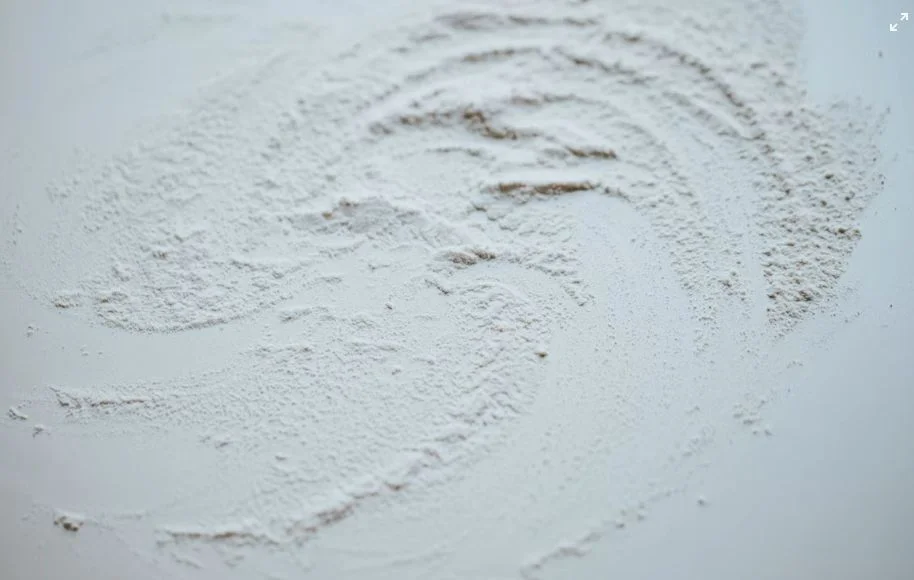
Manitoba flour is milled from a particular type of soft wheat originally cultivated in the Canadian province that shares its name.
This flour boasts a high protein and gluten content, making it especially suited for recipes that call for a slow, patient rise.
It’s a staple not only in a variety of bread-making recipes but also a prized ingredient in sweeter baked treats.
Availability Throughout the Year
Manitoba flour is widely available in shops all year round, making it a handy pantry essential.
The Origins of Manitoba Flour
The name Manitoba flour derives from the Canadian region where this resilient soft wheat thrives—able to withstand harsh climates thanks to its robust qualities. The flour is milled from this hardy grain.
Today, the term broadly refers to any strong flour with excellent rising power.
In the Kitchen
Because of its strength, Manitoba flour shines in recipes requiring extended proving times: think crusty loaves, as well as indulgent treats like babà, panettone, and pandoro.
It's an essential ingredient in traditional Sicilian baking, starring in delights such as panini di cena messinesi (Messina-style dinner rolls) and the famous fried pastries known as bombe fritte catanesi. Most notably, it lends its character to the beloved Sicilian brioche col tuppo, perfectly soft and sweet.
Manitoba flour also enriches the crumb of local sweets like the ricotta-stuffed graffe from Trapani, sugar-topped soft treccine, and peach-shaped delicacies known as pesche messinesi.
Buying Tips
We recommend choosing Manitoba flour for any baking that demands a long, patient rise. Easily found in specialist stores and larger supermarkets alike, just be sure to check the expiry date and that the packaging is intact for best results.
Storage Advice
At home, keep your Manitoba flour somewhere cool and dry.
Once opened, it’s best to seal the packet tightly or transfer the flour into an airtight container to prevent any unwelcome flour moths from spoiling your baking adventures.