Overview
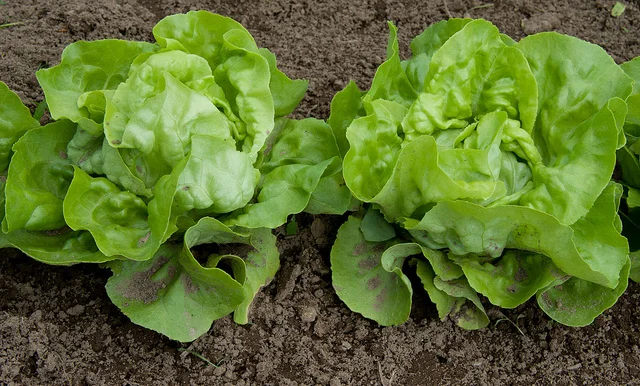
Lettuce is a plant belonging to the Asteraceae family, prized for its leaves which vary in shape and colour depending on the variety, ranging from vibrant green to reddish hues.
In the kitchen, lettuce can be enjoyed both raw and cooked, valued especially for its anti-inflammatory qualities.
As if that weren’t enough, it’s rich in essential minerals like potassium, iron and phosphorus, and also packed with vitamins A and C.
Seasonality
Lettuce is available year-round, though it’s at its best during the summer months.
Types of Lettuce
There are several varieties commonly found in shops, including:
- Leaf lettuce: with deep green leaves, probably the most familiar type;
- Romaine: characterised by elongated, particularly flavoursome leaves;
- Iceberg: pale, crisp leaves with a mild taste;
- Gentle: tender, elongated leaves that can be green or tinged with red.
How to Clean Lettuce
Start by removing the outer leaves, which are often a little past their best.
Then rinse thoroughly under running water and dry well using a salad spinner or, alternatively, spread the leaves on a clean, dry cloth and gently pat them dry.
Uses in the Kitchen
Lettuce is most often used as a side dish, either simply dressed or as the base for mixed salads featuring ingredients like tomatoes, carrots, fennel, or as part of more substantial dishes with tuna, sweetcorn and a variety of other additions.
Cooked lettuce appears in many recipes, from pasta and rice dishes to refreshing soups such as the traditional Sicilian broth with tiny pasta.
Buying Tips
Look for heads that feel firm with shiny, crisp leaves.
Storing Lettuce
Lettuce keeps well in the fridge’s fruit and veg drawer for a couple of days. If it’s already washed and chopped, make sure it’s thoroughly dried before refrigerating.