Overview
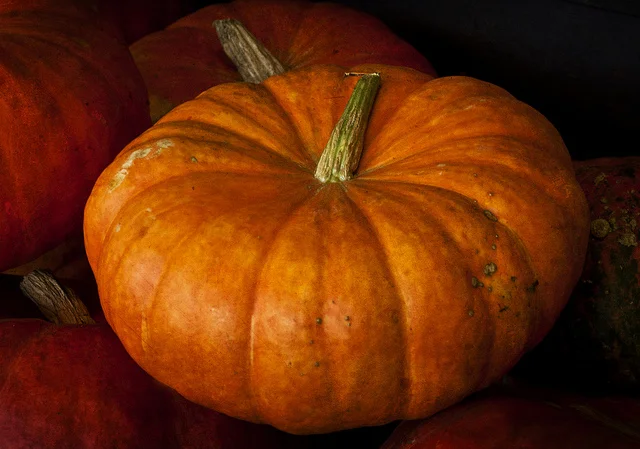
The golden pumpkin is a variety distinguished by its bright yellow skin and deep orange flesh.
It’s an incredibly versatile vegetable in the kitchen, lending itself beautifully to both sweet and savoury dishes.
Its flesh has a gentle, sweet flavour and can be roasted, boiled, grilled, or used in soups, risottos, tarts, and desserts.
The golden pumpkin is also packed with essential nutrients, including vitamin A, vitamin C, potassium, and fibre.
These nutrients help support a robust immune system, promote healthy skin, and aid digestion.
Alongside potatoes and tomatoes, the pumpkin became widespread across Europe following the discovery of the Americas, as it originally hails from Central America.
Seasonality
The golden pumpkin has a well-defined season.
Typically, it appears in autumn, from around September through to early winter, usually December.
During this time, fresh golden pumpkins are plentiful at markets and grocers, making them a perfect choice for autumnal and winter dishes.
Thanks to modern storage and transport methods, however, you can often find golden pumpkin throughout the year.
It’s also a popular decorative feature at Halloween, carved into the iconic jack-o’-lanterns.
In short, the golden pumpkin is a seasonal staple of autumn and winter, but modern techniques mean it’s accessible all year round.
Varieties of Golden Pumpkin
There are many types of golden pumpkins, some edible and others purely ornamental. Key varieties include:
- Cucurbita maxima: the most common type, with large, round fruits;
- Cucurbita moschata: featuring elongated fruits with green-brown or orange skins;
- Cucurbita pepo: round with yellow-orange skin. The flowers of this species are also edible, often stuffed or battered and fried. This is the classic pumpkin used for Halloween lanterns in English-speaking countries.
- Cucurbita melanosperma: also known as spaghetti squash, as its flesh separates into spaghetti-like strands when cooked.
Decorative pumpkins have very hard skins that, once dried, are used to make items like cups and containers.
Nutritional Qualities of Golden Pumpkin
The golden pumpkin is highly nutritious, offering a wealth of vitamins, minerals, and antioxidants beneficial to health. Here are some highlights:
- Vitamin A: one of the best vegetable sources, vital for eye health, skin, and immune function.
- Vitamin C: supports the immune system and helps protect cells from damage.
- Potassium: important for regulating blood pressure and heart health.
- Fibre: aids digestion and may reduce the risk of chronic illnesses like diabetes and heart disease.
- Complex carbohydrates: provide slow-release energy to keep you going.
- Beta-carotene: a powerful antioxidant that may lower the risk of chronic diseases such as cancer and heart conditions.
How to Prepare Golden Pumpkin
Cleaning a golden pumpkin is straightforward and can be done in a few simple steps:
- Start by rinsing the pumpkin under cold running water to remove any dirt or soil from the skin.
- Using a sharp knife, cut off the top to remove the stem and trim the base to discard any dry or rotten parts.
- With a spoon, scoop out the seeds and fibrous strands from the centre. Alternatively, cut the pumpkin in half and remove the seeds with a fork or spoon.
- Cut the pumpkin into cubes or slices, depending on your recipe.
- If your recipe calls for it, peel the skin using a vegetable peeler or knife. Otherwise, you can leave the skin on, as it’s edible and packed with nutrients.
Culinary Uses
The golden pumpkin is incredibly versatile, shining in both sweet and savoury dishes.
It can be cooked in numerous ways: battered and fried, boiled or steamed, roasted, or used as a filling for stuffed pasta.
The pumpkin flowers are also edible and feature in many delicious Sicilian recipes.
Salted pumpkin seeds are a popular treat during local festivals across Sicily, often sold alongside chickpeas (“calia e simenza” – calia being chickpeas and simenza the pumpkin seeds).
Notable dishes include the famous Palermitan ficatu dî sette cannola, pasta with fresh broad beans and golden pumpkin, and, for something sweet, the pasticciotti di zucca – traditional Sicilian pastries filled with golden pumpkin jam.
Tips for Buying
Here are some handy tips when selecting a golden pumpkin:
- Choose one with smooth skin, free from bruises or deep cuts. The skin should feel firm and resilient to pressure.
- Pick a pumpkin that feels heavy for its size, indicating dense, ripe flesh.
- Look for a flat, stable base to make cutting easier and safer.
- Check the colour: a ripe pumpkin will have an even yellow hue without green or white patches.
- Avoid pumpkins that feel soft or spongy, as this suggests overripeness or poor storage.
- Where possible, opt for organic pumpkins to steer clear of pesticides.
Storing Golden Pumpkin
The golden pumpkin can keep for several days or weeks, depending on its ripeness and storage conditions. Here’s how to store it properly:
- Keep whole pumpkins in a cool, dry, well-ventilated spot such as a cellar or pantry. The ideal temperature is around 10-13°C.
- If cut, wrap the pumpkin tightly in cling film or store it in an airtight container in the fridge. Use within 3-4 days for best flavour.
- For longer storage, you can freeze pumpkin. Cut into cubes or slices, blanch for 3-5 minutes, drain, cool, then pack into freezer bags or airtight containers. It will keep for 8-10 months.
Bear in mind that golden pumpkin is quite delicate and can spoil quickly if not stored properly.
So, pay attention to storage conditions and try to use it promptly to enjoy its full flavour and nutritional benefits.