
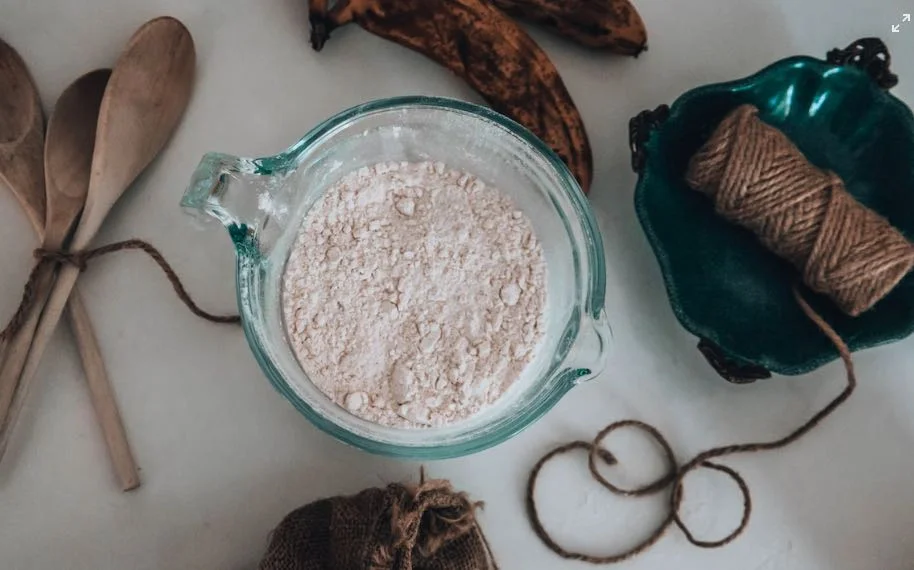
Flour 0 is produced by milling soft wheat, whereas durum wheat yields semolina.
This flour is less refined than the ubiquitous 00 flour, retaining a touch of bran that isn’t fully stripped away.
With a relatively low protein content and high starch presence, this flour is particularly well suited to making fresh pasta and bread.
Availability Throughout the Year
Flour 0 is readily available all year round.
How Flour 0 is Made
Flour 0 falls midway on the refinement scale between 00 (preferred for pasta) and 1 (favoured for baking). This intermediate refinement makes it ideal for bread-making. Consequently, Flour 0 absorbs less water than 00 flour.
Varieties
There are several types of this flour, depending on the wheat’s origin. One example is Manitoba, named after the Canadian region where this wheat is cultivated.
Culinary Uses
Thanks to its strength and excellent water absorption, it’s the go-to for pasta, bread, pizza, and brioche.
Flour 0 is a staple in traditional Sicilian baked goods. Recipes on our site featuring this flour include the 'Panino all'Ufficiale' (a speciality from the Trapani area), the fried pizza from Zafferana Etnea, the Palermitan ravazzate, and similar Catanese cartocciate.
It’s also found in classic Sicilian sweet treats, such as the Christmas biscuits from Barrafranca and the pastizzotti from Lercara Friddi.
Buying Tips
This flour is recommended whenever you want doughs that are firm yet very elastic.
Storing Flour 0
We suggest keeping the bag in a dry place, away from heat sources. Once opened, store the flour in an airtight container to prevent flour moths from making themselves at home.