Overview
Cinnamon is a spice derived from the bark of a small tropical tree belonging to the Lauraceae family: the Cinnamomum.
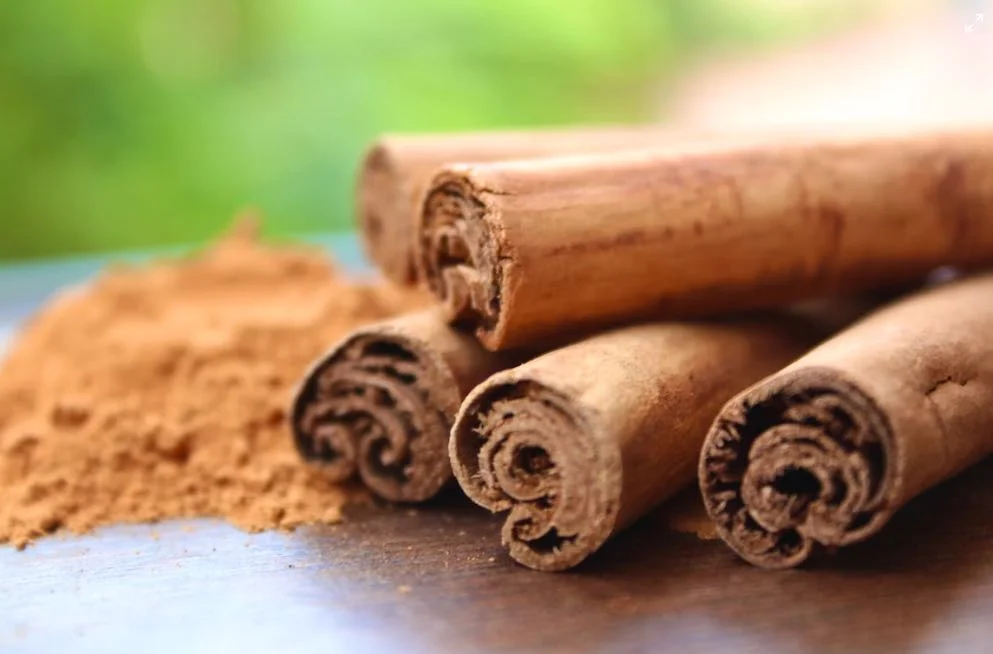
The bark from the younger branches is carefully processed and dried until it curls into the familiar parchment-like quills.
The name “cinnamon” comes from this slender, reed-like shape it takes when sold, while “cinnamomum” traces back to Arabic, meaning “fragrant Chinese plant.”
Native to the island of Ceylon (now Sri Lanka) and southern India, cinnamon is now also cultivated in parts of South America.
Its bold, penetrating aroma is much admired across Europe, where cinnamon is typically available either ground or in stick form.
Types of Cinnamon
The most commonly used variety of cinnamon comes from Cinnamomum Zeylanicum, often known as “true cinnamon” or the “queen of cinnamons.”
There’s also the so-called “Chinese cinnamon,” derived from Cinnamomum Cassia, a species from the Fabaceae family. It’s darker, thicker, and more rugged in texture.
This variety is less prized and generally more affordable.
Use in the Kitchen
While in the East cinnamon often features in savoury dishes with meats and vegetables, in the West it’s cherished primarily for sweet recipes.
This enchanting, fragrant spice plays a starring role in Sicilian culinary traditions, especially in confectionery and pastries.
Think of dishes such as gelo di cannella (a chilled cinnamon dessert), fraviole ricotta pastries from Messina, Mirabella Imbaccari’s delicate cassatelle, the famed sfince from Trapani, and dozens more sublime island delights.
Cinnamon also perfectly complements warming drinks, lending its character to teas and liqueurs alike.
The practice of adding cinnamon to enhance flavour and texture has become increasingly popular in the food industry, especially in sweets such as candies and chewing gums.
At home, ground cinnamon is the go-to form, readily found on supermarket spice shelves, and a handy addition to a wide variety of dishes.
Buying Tips
As mentioned, the dominant variety available is Cinnamomum Zeylanicum.
Purchasing cinnamon sticks and grinding them fresh just before use helps to preserve their exquisite fragrance.
Storing Cinnamon
Ground cinnamon keeps best in a tightly sealed jar, stored in a cool, dry spot.
Keeping sticks on hand to crush freshly when needed is also a wise choice to maintain maximum flavour.