Overview
Chickpeas, members of the legume family Fabaceae, must always be cooked before eating, as their raw form contains compounds that can be hard on the digestive system but are neutralised by heat.
Harvested during the warmer months, chickpeas are rarely eaten fresh. Instead, they are dried for store and use throughout the colder seasons.
While chickpeas aren’t widely cultivated across Italy or Sicily, the varieties you’ll most often find on our shelves are predominantly grown in the Middle East, particularly Anatolia.
Chickpeas generally come in two forms:
- Cooked and ready to eat, preserved in tins, glass jars, or vacuum packs;
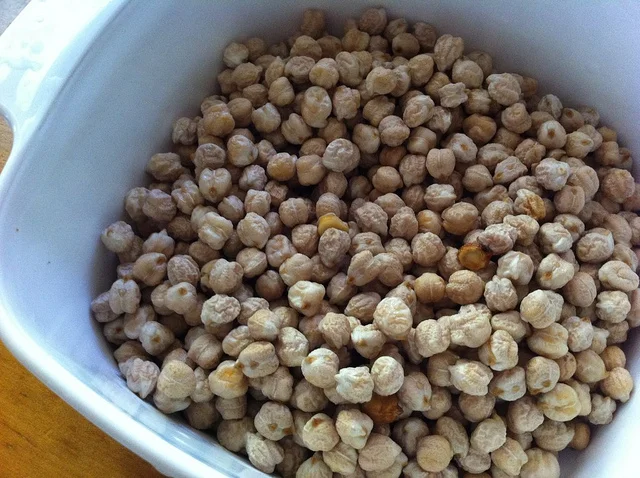
- Dried, requiring soaking and cooking before use.
Good-quality cooked chickpeas closely resemble those you might prepare fresh at home in both flavour and texture.
Let’s not forget chickpea flour, a staple in many Sicilian recipes, most famously used to craft panelle—those irresistible fritters that are a quintessential part of Palermo’s vibrant street food scene.
Luckily, chickpeas are available all year round in most supermarkets and greengrocers.
Nutritional Qualities
Chickpeas are a powerhouse of nutrition, loaded with proteins, calcium, phosphorus, potassium, sodium, magnesium, and iron.
They’re also rich in fibre, which aids healthy digestion and helps regulate blood sugar and cholesterol levels.
The entire legume is edible, supplying approximately 100 kcal per 100 grams.
Buying Tips
When shopping, it’s important to distinguish between cooked and dried chickpeas:
- Cooked: Opt for varieties free from artificial colours and preservatives; glass jars provide excellent preservation, though tins and vacuum packs are equally reliable;
- Dried: Check for any foreign particles and ensure the peas are whole and intact.
Storage
Storage methods also differ depending on the chickpeas’ form:
- Cooked: Keep them in their sealed packaging in a cool, dry place, using by the date indicated. Once opened, store in the fridge, well covered, and consume within 2-3 days;
- Dried: Store in a cool, dry cupboard and use by the best-before date on the pack.
Preparing Chickpeas
- Cooked: Simply drain them well; if canned, give them a quick rinse under running water before incorporating into your dish;
- Dried: They require soaking and thorough cooking. After soaking, discard any chickpeas that float to the surface.
Soaking times can range from 8 to 24 hours depending on the drying method used.
It’s wise to follow any soaking instructions printed on the packaging.
During soaking, chickpeas will roughly double in weight — so 50 grams of dried chickpeas will yield about 100 grams once soaked.
Cooking
Once soaked, cook the chickpeas in lightly salted water for between 2 and 3 hours.
Keep the heat moderate to low and cover the pan with a lid to retain moisture.
To ensure ample water, place the chickpeas in the pot and add enough to cover them by about four finger-widths.
When the water begins to bubble, add aromatics such as sage, rosemary, and a tablespoon of extra virgin olive oil to bring that unmistakable Mediterranean fragrance to the pot.
Season with salt towards the end of cooking, once the skins have softened beautifully.