
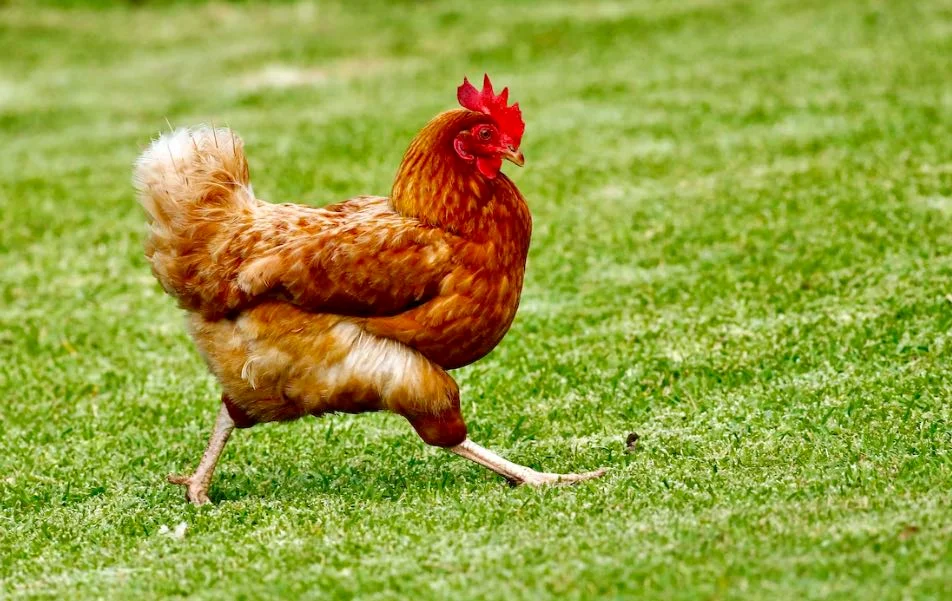
An Overview of Chicken Meat
Chicken stands among the world’s most beloved meats, cherished for its gentle flavour, incredible versatility in the kitchen, and its wealth of essential proteins and nutrients. Chicken meat is available in various cuts, including breast, thighs, wings, drumsticks and hearts, or can be purchased whole.
This meat boasts a pale pinkish-white hue with a tender, juicy texture. The breast is the prized cut—lean and packed with protein. Thigh and wing meat are richer in flavour due to their slightly higher fat content. Chicken hearts are a delicate treat, while drumsticks are often reserved for broths and hearty soups.
Chicken meat is a valuable source of protein, B vitamins and minerals such as iron, zinc and selenium. Most of the fat is found under the skin, so removing it can notably reduce saturated fat intake. Organic or free-range chicken sometimes offers a marginally superior nutritional profile compared to standard supermarket varieties.
Chicken has been savoured since Roman times, when it was regarded as a delicacy amongst the upper classes. It is raised both for its meat and eggs alike.
Seasonality
Unlike pork or beef, chicken meat doesn’t follow a strict seasonal cycle. Thanks to their quick growth and breeding, chickens can be reared throughout the year. Also, much of today’s chicken comes from intensive farms, independent of natural seasonal rhythms.
That said, demand tends to rise in summer months when barbecues and outdoor feasts flourish. Some farmers may also choose to rear organic or free-range birds only during more favourable weather or market conditions.
Essentially, you’ll find chicken meat all year round in supermarkets and food halls. However, it’s always worth considering origin and farming methods. Choosing organic or free-range options supports animal welfare and promotes healthier eating.
Types of Chicken
Chickens can be broadly categorised as:
- Farm-reared, typically slaughtered around three months old;
- Free-range, with firmer, leaner, and more flavoursome meat, usually slaughtered at around ten months.
Various chicken types are distinguished by age and weight, including:
- Young chicken;
- Hen (excellent for stock and slow-cooked dishes);
- Cockerel;
- Free-range rooster;
- Capone (a castrated rooster), known for making rich broths especially at Christmas.
Nutritional Profile of Chicken Meat
Chicken meat is an excellent source of high-quality protein, vitamins and minerals, often regarded as a healthy dietary choice. Here’s a quick glance at its key nutritional attributes:
- Protein: Rich in complete proteins containing all essential amino acids. A 100g cooked chicken breast portion offers about 31g of protein.
- Fat: Contains modest fat content, varying by cut and cooking method. The breast is the leanest part, with only 1-2g fat per 100g.
- Vitamins: A significant source of B vitamins including niacin, riboflavin, thiamine, pantothenic acid and vitamin B6, which support the nervous system, energy production and red blood cell formation.
- Minerals: Contains iron, zinc, selenium and phosphorus – vital for haemoglobin production, immune health, skin vitality and strong bones and teeth.
- Calories: Relatively low in calories, especially skinless breast meat – about 165 calories per 100g cooked portion.
Overall, chicken meat is a nourishing, wholesome addition to any diet. Keep in mind, quality depends greatly on provenance and farming standards, so seek trustworthy, sustainable sources when you can.
How to Prepare Chicken for Cooking
- Gather your tools: You'll need a sharp kitchen knife, a chopping board, cold running water and a roomy bowl.
- Remove innards: Take the chicken from its packaging and place it on the board. Remove any internal organs such as liver, kidneys and the head.
- Skin removal: This is optional. The skin contains fat, so peeling it away reduces greasiness.
- Check for stray feathers: Look closely for any residual feathers. Gently pluck them out with your fingers or tweezers. Alternatively, holding the chicken briefly over a flame will singe away any remnants.
- Rinse the chicken: Wash thoroughly under cold running water to clear any leftover residue. Make sure every part receives a good rinse.
- Dry well: Pat the chicken dry with a clean tea towel. This helps prevent bacteria growth and improves cooking results.
Cooking with Chicken
Chicken is one of the most versatile meats, starring in numerous recipes and cooking styles. Some of its most popular culinary uses include:
- Roasting: A classic dish perfect for family meals, whether whole or in joints, flavoured with a variety of herbs and spices.
- Frying: Crispy fried wings or breaded pieces make for a favourite quick bite or snack, often paired with ketchup, mayonnaise or barbecue sauce.
- Grilling: A healthy, flavourful option ideal as a main dish or in salads and sandwiches. Marinating beforehand enhances tenderness and taste.
- Pan-frying: A flexible approach, combining chicken with vegetables, rice or pasta, cooked with flavours like garlic, onions, tomatoes or mushrooms.
- Soups and stews: Chicken enriches broths and slow-cooked dishes, offering depth and substance to vegetable and carbohydrate pairings.
- Boiled: Gently boiled chicken is tender and gentle, excellent for little ones or those needing gentle nourishment.
Explore more chicken recipes on Sicilian cooking sites.
Tips for Buying Chicken Meat
Here are some handy pointers for purchasing the best chicken:
- Choose fresh: Quality makes all the difference. Opt for fresh rather than frozen chicken, as freezing can affect texture and flavour.
- Look at colour and feel: Good chicken meat is evenly pale pink. It should be firm, not slimy or soft. Avoid any with dark spots, which can indicate bruising.
- Smell test: Fresh chicken has a light, clean scent. A strong or unpleasant aroma signals that it’s past its best.
- Check labels: Always check the use-by date, weight and origin. Organic or antibiotic-free options usually offer better quality.
- Mind the legs: Pale, short-spurred legs usually mean a younger bird with more tender meat—choose accordingly.
Storage
Keep chicken refrigerated below 4°C and use within 1-2 days of purchase. If not consumed by then, freeze it in an airtight bag and use within 3-6 months for best quality.