Overview
Cauliflower, known scientifically as Brassica oleracea var. botrytis, is a hardy plant native to Europe and parts of Asia.
It belongs to the Brassicaceae family, also called the crucifers, which includes familiar vegetables like broccoli, cabbage, and radishes.
Recognisable by its dense, creamy-white head composed of tightly packed florets and encased by green leaves, cauliflower is prized for its mild flavour and tender yet crisp texture.
Cauliflower is remarkably nutritious, brimming with essential vitamins and minerals that support good health.
It offers a rich supply of vitamin C, vitamin K, folate, calcium, potassium, and dietary fibre.
These nutrients play a key role in bolstering the immune system, promoting strong bones and teeth, and reducing the risk of illnesses such as cancer and heart disease.
Seasonality
Like many vegetables, cauliflower follows a seasonal cycle that affects its availability, quality, and cost in the markets.
Thriving in cool, damp conditions, it is traditionally an autumn and winter vegetable in many parts of the world.
In colder regions, it can also be grown in spring, usually under protective conditions or in milder climates.
The exact timing of the cauliflower season varies by location.
In Italy, for instance, the season generally begins in autumn around September and October and runs through to spring, finishing around April or May.
Its availability depends on the geography and weather conditions.
In Northern Italy, cauliflower is typically on offer throughout autumn and winter but becomes scarce in summer, though some markets may still have limited supply.
Conversely, in Southern Italy, it is mainly harvested during winter and spring, with less availability in the summer months.
Elsewhere in the world, such as in the United States, year-round supply is possible thanks to greenhouse cultivation and imports.
Overall, local climate profoundly shapes when cauliflower appears fresh and plentiful, though modern farming and global trade now help ensure more consistent year-round access, usually at a higher price.
Varieties of Cauliflower
The market offers a delightful array of cauliflower varieties, each with its own unique traits.
The classic white cauliflower is the most commonly found, with its compact, creamy-white head and delicate, mild flavour.
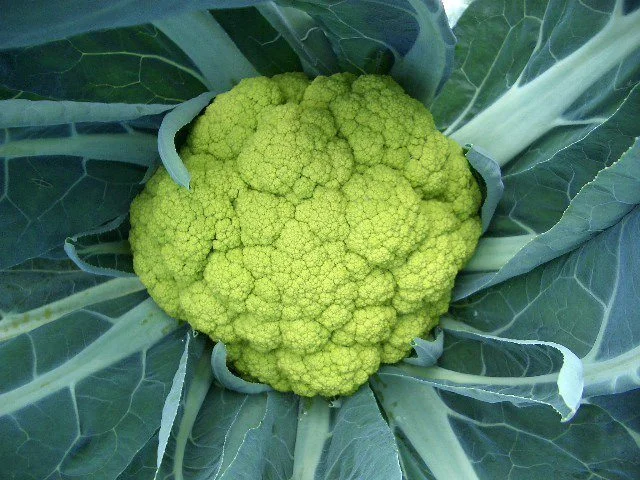
The green cauliflower, often called broccoflower, sports an olive-green hue and delivers a slightly sweeter, subtly bitter taste compared to its white counterpart.
Purple cauliflower boasts a deep violet colour and a hint more bitterness, packed with antioxidants known as anthocyanins that give it its vivid shade.
Yellow cauliflower, less frequently seen, features golden-yellow florets and offers a softer, gentler flavour than the green or purple varieties.
One of the most striking types is Romanesco cauliflower, distinguished by its remarkable fractal, cone-shaped florets arranged in a natural spiral. Its bright green colour and pyramid-like form make it an eye-catching addition to any plate. Its flavour is sweet and delicate.
There are also rarer types such as black cauliflower, orange cauliflower, and reddish cauliflower, each bringing their own distinct taste and texture.
Choosing the right variety can add nuance to your dish, so it pays to match the type to your recipe’s needs.
Nutritional Profile
Cauliflower stands out as a fantastic source of vitamin C, with a single serving supplying more than the recommended daily allowance.
This vital vitamin supports the immune system, skin health, wound healing, and collagen production.
It also provides vitamin K, essential for blood clotting and bone health, with approximately 20% of the daily recommended intake in one serving.
Folate, abundant in cauliflower, is crucial during pregnancy for foetal development and preventing certain birth defects, offering around 14% of the daily requirement per portion.
Dietary fibre is plentiful too, contributing about 10% of daily needs per serving, promoting digestive wellbeing and helping one feel fuller for longer.
Moreover, it supplies key minerals like potassium, vital for muscle and heart function, and phosphorus, important for strong bones.
All in all, cauliflower is a wonderfully nourishing vegetable that fits effortlessly into a balanced diet.
How to Prepare Cauliflower
Cauliflower is incredibly versatile and nutrient-dense but cleaning it can feel a bit fiddly given its many crevices and curves.
With the right tools and a little patience, however, preparing cauliflower becomes quite straightforward.
Let’s walk through the process.
Begin by trimming away the outer green leaves and slicing off the stem.
Next, turn the cauliflower over and use a sharp knife to remove the hard core at the base, where all the stems converge.
Check for any cracks or crevices and gently open them under cold running water to rinse out any hidden grit or debris.
Once clean, cut the cauliflower into florets of your preferred size — or leave it whole if your recipe calls for it, such as roasting or frying the entire head.
For a deeper cleanse, soak the florets in cold water with a teaspoon of bicarbonate of soda for about 15 minutes. This helps remove any lingering pesticides or bacteria.
Overall, cauliflower is easy to prepare and lends itself well to a variety of cooking methods — from boiling and gratinating to pan-frying and grilling.
Culinary Uses
Cauliflower is a prized ingredient in the kitchen for its mild yet distinct flavour and remarkable flexibility.
It's perfect both raw and cooked, featuring in soups, stews, salads, bakes, and gratins, as well as simply boiled or sautéed with garlic and olive oil.
Roasting is particularly popular as it brings out the vegetable's sweetness, often enhanced with aromatic herbs, spices, cheese, or cured meats like ham or pancetta.
It shines as both a main ingredient and a side dish, pairing beautifully with meats and fish alike.
Cauliflower also stars in classic regional dishes such as the Piedmontese bagna cauda, cauliflower frittata, or the Sicilian-style cauliflower parmigiana.
Eastern cuisines embrace it as well, with Indian and Thai recipes incorporating cauliflower into fragrant curries rich with spices and coconut milk.
In short, cauliflower ranks among the most adaptable and beloved vegetables, offering a delicate but defined taste that brings originality and depth to a wide array of dishes.
To explore Sicilian-inspired cauliflower recipes featured on our site, please see the relevant tag.
Tips for Buying
When choosing cauliflower, several factors ensure you pick the best specimen.
Start by selecting a firm and compact head free from soft spots or bruising.
Look for crisp, green outer leaves with no dark or dry patches.
Size matters too: a very small cauliflower might be underdeveloped, while an overly large one can be older and tougher.
Pay attention to the tightness of the florets — tightly closed buds indicate freshness, whereas open florets suggest the vegetable is more mature and likely less tender.
Ahead of purchase, avoid heads showing yellowish colouring, which can mean it has been exposed to heat or light, potentially compromising quality.
How to Store Cauliflower
Proper storage is key to preserving the freshness and flavour of cauliflower.
This vegetable is delicate and sensitive to environmental changes, so taking good care can extend its shelf life.
Refrigeration is the most common approach.
Wash it thoroughly, then dry completely to ward off mould and bacteria growth.
Wrap the cauliflower loosely in greaseproof paper or a damp cloth to prevent dehydration and refrigerate.
Stored this way, a cauliflower can stay fresh for up to a week.
Freezing is another option. Blanch the florets briefly in boiling water to deactivate enzymes that cause spoilage, then cool, drain, and freeze in airtight containers or freezer bags.
This method preserves the vegetable for up to three months.
Alternatively, like carrots or celery, cauliflower can be stored submerged in water, changing it daily to prevent stagnation and bacterial growth, which also keeps it fresh for about a week.
In all cases, keep cauliflower in a cool, dry spot away from heat and direct sunlight.
Regularly check your stored vegetable for any signs of decay or mould and promptly remove any affected parts.