Ricette di Sicilia
Cibo, cultura e tradizioni siciliane
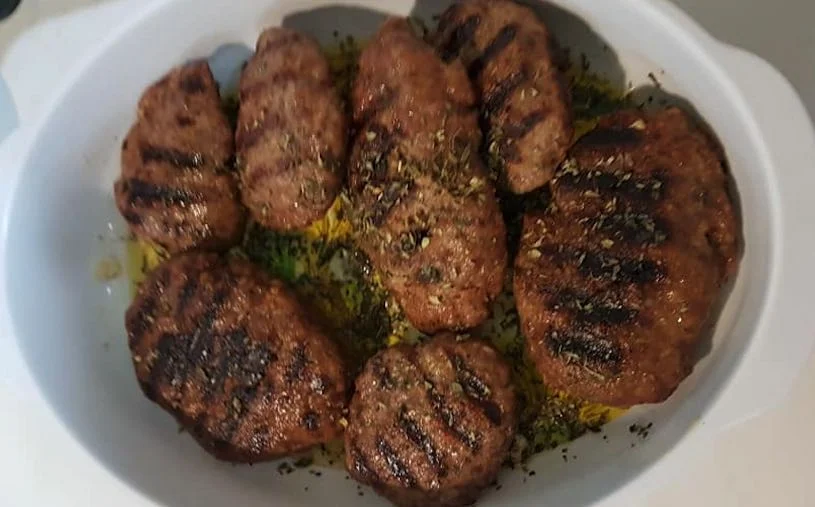
Catanese Horse Meatballs: Authentic Etna Tradition Main Course
Discover Catanese horse meatballs, a traditional Sicilian dish from Etna with pecorino and salmoriglio. Perfect for authentic Sicilian dining experiences.
📖 What is it
Discover Catanese horse meatballs, a traditional Sicilian dish from Etna with pecorino and salmoriglio. Perfect for authentic Sicilian dining experiences.
🛒 Ingredients
- ✓ 500 g horse mince
- ✓ Fresh parsley, finely chopped
- ✓ Garlic, minced
- ✓ Grated Sicilian pecorino
- ✓ Salt
- ✓ Freshly ground black pepper
- ✓ Breadcrumbs
- ✓ Extra virgin olive oil
- ✓ Water
- ✓ Lemon juice (for the salmoriglio)
📊 Nutritional Information
Catanese horse meatballs are a cherished speciality from the working-class quarters of Catania, Sicily. This dish captures the essence of Etna’s culinary heritage, combining tender horse meat with pecorino and a zesty salmoriglio sauce. A true expression of local tradition and vibrant street food culture.
👨🍳 Preparation
- 1
Finely chop the fresh parsley and garlic, then mix them together.
- 2
In a bowl, combine the horse mince with the parsley and garlic mix. Add grated pecorino cheese, seasoning well with salt and pepper.
- 3
Stir in breadcrumbs and extra virgin olive oil until the mixture comes together into a firm yet pliable consistency.
- 4
Wet your hands with a little water and shape the mixture into oblong meatballs, roughly 100 grams each.
- 5
Heat some extra virgin olive oil in a non-stick pan and cook the meatballs until golden on the outside and tender within.
- 6
Prepare the salmoriglio by whisking together extra virgin olive oil and lemon juice.
- 7
Drizzle the cooked meatballs with the tangy salmoriglio.
- 8
Serve the meatballs warm.
🧠 Why It Works
The success of Catanese horse meatballs lies in the harmonious balance of ingredients and cooking technique. Tender horse mince provides a delicate sweetness, enriched by the sharpness of Sicilian pecorino and the aromatic freshness of parsley and garlic. Breadcrumbs and olive oil bind the mixture, ensuring a firm yet yielding structure that holds during cooking. The meatballs are gently pan-fried to develop a golden crust that contrasts with the soft interior. The final drizzle of salmoriglio, a lemon and olive oil emulsion, introduces a bright acidity that cuts through the richness, creating a layered flavour profile emblematic of Etna’s volcanic terroir and Sicilian culinary identity.
🛠️ Troubleshooting
Why are my meatballs falling apart during cooking?
Ensure the mixture is well bound with enough breadcrumbs and olive oil. Wetting your hands before shaping helps compact the meatballs firmly. Avoid over-handling to maintain the ideal consistency.
How can I prevent the meatballs from becoming dry?
Cook over medium heat to allow even cooking without drying out. The olive oil in the mixture and pan helps retain moisture, while the salmoriglio adds a refreshing finish.
What can I do if the flavour is too mild?
Increase the amount of pecorino and fresh garlic slightly, or add a small amount of anchovy paste for umami depth without compromising authenticity.
Can I prepare the meatballs in advance?
Yes, shape and freeze the meatballs uncooked. Cook them fresh from frozen or after thawing to preserve flavour and structure.
How should I reheat leftover meatballs without losing quality?
Reheat gently in a non-stick pan with a drizzle of olive oil over low heat to maintain moisture and avoid toughness.
💡 Tips and Variations
- •
For an indulgent twist, add small cubes of provola from the Nebrodi or caciocavallo cheese to the mixture, creating a delightful molten centre.
- •
Cook the meatballs on a cast-iron grill pan to develop a beautifully crisp crust and even charring, enhancing every mouthful.
- •
For a vegetarian alternative, substitute the meat with a spiced blend of legumes and seitan, keeping the same seasonings and breadcrumbs for texture.
- •
Boost the umami flavour by adding a hint of anchovy paste or a splash of soy sauce to the mix—this won’t overpower the traditional character.
- •
For a lighter option, bake the meatballs on a wire rack in the oven instead of frying, ensuring they stay satisfyingly crisp.
- •
The secret of this dish lies in the balance between the warming heat of the cooking fire and the refreshing zing of the salmoriglio—a match made in heaven.
📦 Storage
- • Allow the meatballs to cool completely after cooking before refrigerating to avoid sogginess.
- • Store them in an airtight container to keep their aroma and flavour intact, best enjoyed within two days.
- • If preparing ahead, freeze the uncooked meatballs separated by baking parchment to prevent sticking; they’ll keep beautifully for 2-3 months.
🍷 Pairing
A young Etna Rosso DOC, with its vibrant acidity and mineral undertones, beautifully complements the rustic and slightly sweet notes of the horse meatballs. The wine’s fresh red fruit character and subtle tannins enhance the dish’s aromatic herbs and pecorino. Alternatively, a Nero d’Avola from eastern Sicily offers a richer body and spiced berry flavours that resonate with the meat’s depth and the zesty salmoriglio. For a broader Southern Italian experience, a classic Chianti Classico, with its balanced acidity and soft tannins, harmonises elegantly with the hearty profile of the meatballs, bridging Sicilian tradition with Tuscan refinement.
❓ F.A.Q.
What is the traditional meat used in Catanese horse meatballs?
The traditional meat is horse mince, prized in Catania for its tender, slightly sweet flavour that distinguishes these meatballs from other Sicilian meat dishes.
How do I prepare authentic salmoriglio sauce for these meatballs?
Salmoriglio is made by whisking extra virgin olive oil with fresh lemon juice, creating a bright, citrusy dressing that enhances the meatballs’ flavour without overpowering them.
Can I freeze Catanese horse meatballs before cooking?
Yes, uncooked meatballs can be frozen separated by baking parchment to prevent sticking. They maintain quality for 2-3 months and should be cooked directly from frozen or thawed overnight in the refrigerator.
What is the best cooking method to preserve the meatballs’ authentic flavour?
Pan-frying in extra virgin olive oil is traditional, allowing the meatballs to develop a golden crust while retaining a tender interior. Alternatively, grilling on a cast-iron pan adds a smoky char that enhances the dish’s rustic character.
Are there vegetarian alternatives to Catanese horse meatballs?
A vegetarian version can be made using a spiced blend of legumes and seitan, maintaining the original seasonings and breadcrumbs to replicate the dish’s structure and flavour complexity.
When is the best season to enjoy Catanese horse meatballs?
While enjoyed year-round, these meatballs are especially popular during local festivals and cooler months when their hearty nature complements seasonal gatherings.
🏛️ History and Tradition
Catanese horse meat meatballs are not just a dish; they are the beating heart of an entire urban culture. This tradition is deeply rooted in the historic roasteries of the working-class districts, such as San Cristoforo and the Civita, finding its symbolic epicenter in the famous Via del Plebiscito. Here, as the sun sets, the air fills with a thick "white cloud": it is the smoke from the ever-burning grills, an olfactory signature that announces the ritual of arrusti e mangia (grill and eat). This setting, with butcher shops displaying meat on the street amidst glowing embers and the chatter of the crowds, tells the story of an authentic, visceral Catania, indissolubly linked to its culinary customs.
Historically, horse meat established itself in Eastern Sicily as a nutritious and flavorful alternative, eventually becoming the symbol of a humble cuisine that achieved nobility through the mastery of simple gestures. The purpette (meatballs) are handcrafted with a mixture that celebrates the local territory: the natural sweetness of equine meat meets the bold character of Sicilian pecorino cheese, the aroma of garlic, and the freshness of parsley. The final touch, essential for the success of the dish, is the sammurigghiu (salmoriglio), an emulsion of oil, lemon, and oregano that is constantly brushed onto the meat during cooking, creating an irresistible aromatic crust.
Enjoying these meatballs inside a crispy bun, toasted directly over the coals and served steaming hot, is a gesture of conviviality that unites generations. Whether it is a quick snack in the city center or a traditional Sunday family lunch, this dish evokes beḍḍa Sicilia (beautiful Sicily) in its most passionate expression. To complete the experience, pairing it with a glass of Etna Rosso is a must, as it stands up perfectly to the intense and smoky flavors of this Catanese excellence that remains timeless.
There’s something truly special about sharing a plate of freshly made Catanese horse meatballs—a dish that carries the heart and soul of Sicilian tradition. Why not bring a little slice of Etna into your own kitchen? Whether it’s a relaxed dinner with close friends or a comforting family meal, these meatballs are sure to spark conversation and delight the palate. Give the recipe a go, and don’t forget to seal the moment by sharing your creation and stories around the table. Buon appetito!
Rate this recipe
4.8/5 (101)
Click or tap the stars to rate