Overview
Broccoli belong to the cabbage family and are prized for their tender, immature flower heads.
This deep green leafy vegetable is part of the Brassicaceae family, which also includes cauliflower, cabbage, and Brussels sprouts.
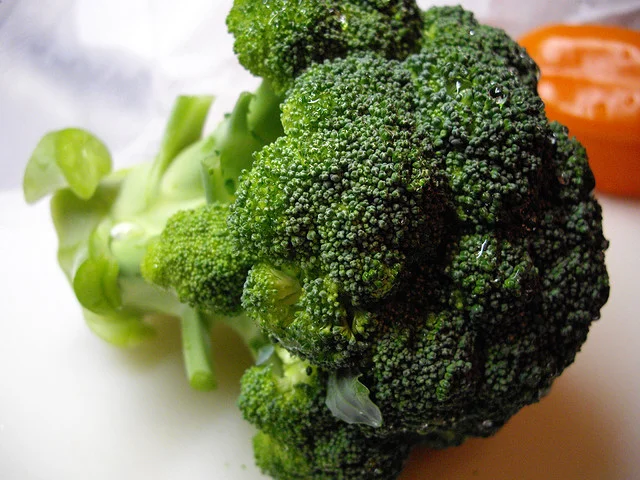
Broccoli are distinguished by their large green flower clusters, known as the “head,” growing atop a sturdy green stem.
The broccoli head is made up of numerous tiny buds, encased by fleshy, compact green leaves.
The stem is generally edible though often a little tougher than the florets.
Typically, broccoli are harvested while the head remains tight and the vibrant green leaves still envelop the buds.
A wonderfully versatile vegetable, broccoli can be enjoyed both raw and cooked.
More specifically, they lend themselves to steaming, boiling, sautéing, and grilling, and are commonly incorporated into soups, salads, stews, and pasta dishes.
Broccoli sprouts, too, have gained popularity as a fresh, crunchy addition to salads and vegetarian fare.
The vegetable flourishes across various regions of Italy and was introduced to the peninsula by the Romans, who brought it from the Mediterranean shores of Greece and Turkey.
Seasonality
The season for broccoli varies depending on where they’re grown, but generally they are winter and spring vegetables.
In Europe and North America, broccoli is typically in season from October through June, peaking between November and May, during which time it is considered a classic winter veg.
However, in warmer climates, broccoli can be found year-round.
Indeed, parts of Asia and Africa cultivate broccoli even through the summer months.
Choosing broccoli in season guarantees superior taste and better value.
Buying local, seasonal produce is also kinder to the environment by minimising the need for long-haul transport and refrigeration.
Varieties of Broccoli
Europe boasts over 150 varieties of broccoli. Some of the most popular include:
- Green broccoli: the most familiar type, featuring a compact deep green head perched on a slender, long stem.
- Romanesco: instantly recognisable by its pointed, conical head made up of fractal-like pointed florets. It has a sweet, nutty flavour and a crisp texture.
- Chinese broccoli: also called Gai Lan, this variety has dark green leaves and long slender stems. It tastes sweet with a satisfying crunch.
- Purple broccoli: characterised by a violet head and green leaves, it has a milder, sweeter flavour than green broccoli with a softer bite.
- Broccoli rabe (rapini): a root vegetable variety akin to kohlrabi, with dark green heads and large leaves. Its flavour is sweeter yet with a hint of bitterness compared to traditional green broccoli.
- Broccolini: sometimes known as baby broccoli, this variety features smaller florets and thinner stems. It offers a delicate sweetness and crisp texture.
Each variety brings its own unique taste and texture, opening up endless culinary possibilities.
In Italy, favourites include the strikingly vibrant Romanesco, the Sicilian violet, the early Verona, the Calabrese, and the Alpenga bronzino.
Nutritional Highlights
Broccoli are a nutritional powerhouse, packed with vital nutrients such as vitamin C, K, A, folate, calcium, potassium, iron, and fibre.
Here’s a snapshot of the nutritional content per 100 grams of raw broccoli:
- Calories: 34
- Protein: 2.8 grams
- Carbohydrates: 6 grams
- Fibre: 2.6 grams
- Fat: 0.4 grams
- Vitamin C: 89.2 mg (149% of the recommended daily intake)
- Vitamin K: 101.6 mcg (127% of the recommended daily intake)
- Vitamin A: 623 IU (12% of the recommended daily intake)
- Folate: 63 mcg (16% of the recommended daily intake)
- Calcium: 47 mg (5% of the recommended daily intake)
- Potassium: 316 mg (9% of the recommended daily intake)
- Iron: 0.7 mg (4% of the recommended daily intake)
Broccoli are also rich in beneficial plant compounds like glucosinolates and carotenoids, known for their antioxidant and anti-inflammatory effects.
How to Prepare Broccoli
Cleaning broccoli is straightforward and quick:
- Trim the stem: start by cutting off the main stem with a sharp knife. You may use the tender centre, discarding the tougher outer layers that can be woody.
- Separate the florets: break up the main head into smaller florets to make washing easier.
- Rinse thoroughly: wash the florets and any usable stem parts under cold running water to remove dirt and grit. For heavily soiled broccoli, a brief soak can help loosen debris.
Cooking Tips
This vegetable is bursting with nutrients that you want to preserve. Steaming is the best way to retain its flavour and health benefits.
Broccoli makes a fantastic side dish and a vibrant addition to pasta sauces. It can be garlic-sautéed with a touch of chilli, dipped in batter and fried, or even enjoyed raw with a drizzle of olive oil and sea salt.
In Sicilian cuisine, broccoli are a staple, but there’s a delightful local twist: in Sicily, what most call ‘broccoli’ is in fact cauliflower, while the true broccoli goes by the names sparaceḍḍu or smuzzatura.
Tips for Buying
Here are a few pointers to help you select the freshest, highest quality broccoli:
- Look for a firm, tightly packed head with a deep, vibrant green colour, free from blemishes or yellowing.
- Check the stems are solid, healthy green, and unmarked by spots or yellow patches.
- Make sure the florets are closely closed, showing no signs of wilting or mould.
- Avoid any broccoli with bruises or soft spots that might indicate age or deterioration.
- Buy in season when broccoli is at its freshest and best value.
- If possible, opt for organic broccoli grown without synthetic pesticides or chemicals.
- Note the harvest or sell-by dates to ensure optimal freshness.
Storing Broccoli
To keep broccoli fresh for as long as possible, follow these simple storage tips:
- Keep refrigerated: Store broccoli in the fridge, ideally in a plastic bag or airtight container, placing it in the coolest part.
- Store whole heads: Broccoli lasts longer uncut, so try to keep it intact until needed.
- Don’t wash before storing: Excess moisture speeds up spoilage, so wait to wash broccoli until just before use.
- Use within 4-5 days: As a delicate vegetable, broccoli tastes best when eaten within a few days of purchase.
- Freeze for longer storage: To keep broccoli beyond this, blanch quickly in boiling water before freezing. Properly stored, it will keep for 8 to 12 months in the freezer.