
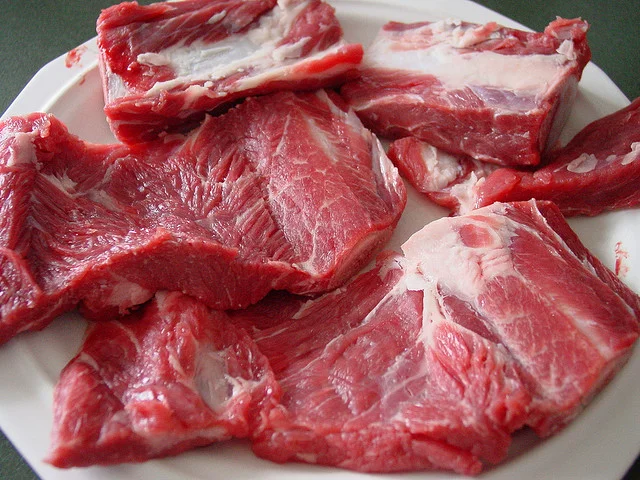
Overview
Beef comes from mature castrated cattle, typically aged three to four years.
Compared to veal, its meat is fattier (veal comes from younger animals and is not castrated) and boasts a deeper, more robust flavour.
You can also obtain beef from a female that has never calved.
This meat provides high-quality proteins.
It’s also a good source of vitamins beneficial for metabolic health and the development of the nervous system during pregnancy.
Moreover, it supplies iron and antioxidant compounds that help combat free radicals.
In addition to iron, beef offers essential minerals like calcium, phosphorus and magnesium, crucial for maintaining strong bones and teeth.
The nutritional value of beef varies depending on the cut.
Generally, it is moderately fatty—richer than veal but leaner than oxtail meat.
Seasonality
Available year-round.
Cuts of Beef
Beef cuts differ in flavour, texture and quality.
Some of the most commonly used include:
- Sirloin: from the lower back towards the rump, this is a top-quality cut used for classic steaks like the Florentine or for roast beef.
- Fillet: also from the lower back, this is the most prized portion, tender and flavoursome.
- Rump or sirloin tip: from the hip area; excellent for steaks and roasts.
- Eye round: from the inside of the thigh; lean and perfect for roasting.
- Topside: from the thigh as well, a highly regarded cut used for roasting, steaks, or diced in stews.
- Knuckle: at the front of the hip, a fine cut suitable for steaks and sliced portions.
- Rib: from the front part of the back; these are the well-known rib steaks.
- Shin: from the legs, both front and hind, often used to prepare ossobuco.
- Belly and neck: from the front quarter, this fattier part is typically used for mince.
- Oxtail: delicious when gently stewed or simmered.
Culinary Uses
Beef lends itself beautifully to countless recipes, depending on the cut: from a simple grilled steak to richly scented roasts, from hearty stews with potatoes or peas to classic Sicilian dishes like falsomagro.
It’s also the foundation for delicious rolls, meatballs and burgers.
Ground beef is indispensable in many Sicilian preparations such as ragù, essential for making arancine or baked anelletti pasta.
The muscles and bones serve wonderfully for flavourful broths.
Lastly, the so-called offal—the bits leftover after the prime cuts are removed—like tail, tongue, tripe, kidneys, liver and brain form the cornerstone of many street food treats, such as quarume, stigghiole, taioni, pane con la milza (spleen sandwich), and Palermitan frittola.
Buying Tips
Look for meat with a bright colour, accompanied by white or pale yellow fat.
The muscle should feel firm and springy to the touch, regaining its shape quickly when pressed.
And of course, it should have a fresh, pleasant aroma with no off-putting smells.
Storage
Properly wrapped in cling film, beef will keep in the fridge for up to five days.
If frozen, it will remain good for as long as six months.