Overview
Bay laurel is a shrub from the Lauraceae family, prized in cooking for its wonderfully scented leaves.
With its distinctive aroma, it lends itself to a wide variety of culinary uses.
Its abundant presence and frequent use in Sicilian gastronomy have earned bay laurel a place on Italy’s official list of Prodotti Agroalimentari Tradizionali (P.A.T), recognising it as a traditional Sicilian product.
This fragrant and noble leaf features in countless Sicilian dishes, where it plays a starring role in crafting those unmistakable flavours.
For example, it is essential in recipes such as hearty chickpea soup and lamb stewed with potatoes, though these are just a couple among hundreds of delightful uses.
In the wild, bay laurel grows either as a bush or as a perennial, evergreen tree.
About the Plant
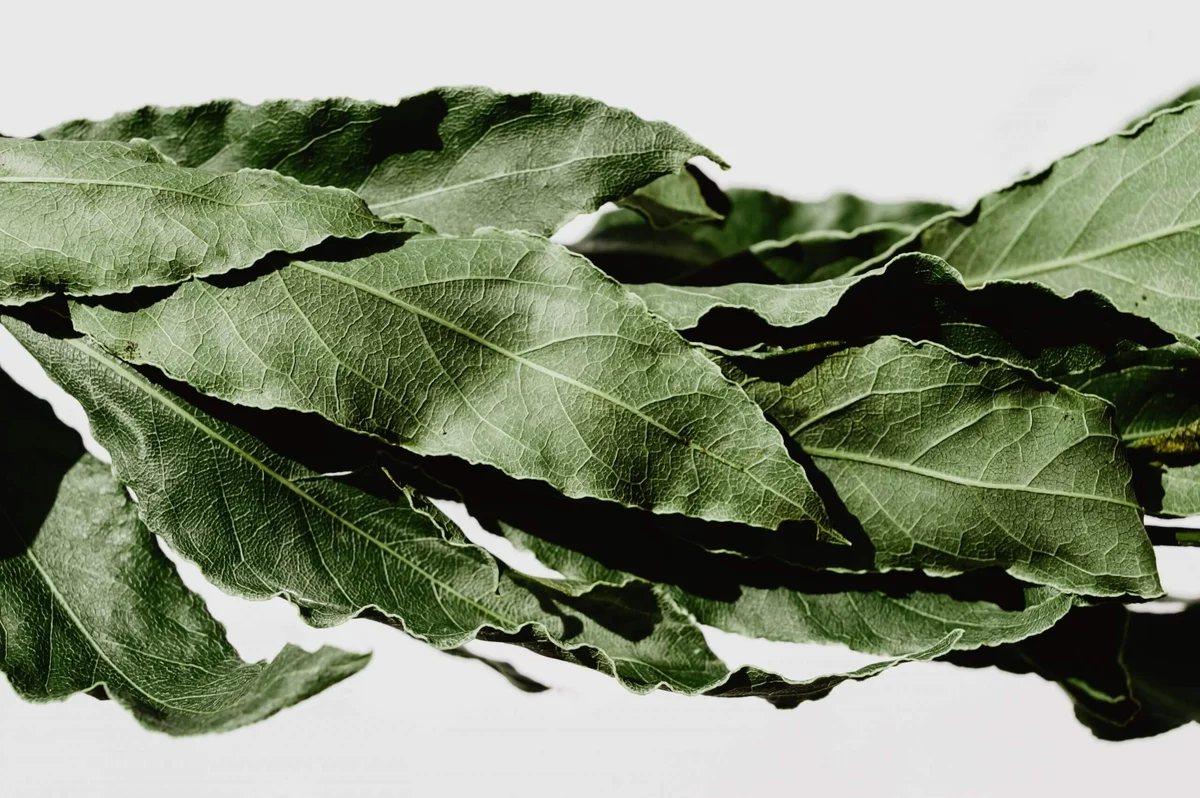
Its leaves are lance-shaped, deep green and glossy on the upper side, with a slightly matt underside.
These sturdy leaves are highly fragrant.
The tree also produces small, shiny black berries, which are not typically used in cooking.
Uses of Bay Laurel
The leaves can be used fresh or dried to infuse meats and fish with a subtle, aromatic depth.
But their virtues extend far beyond the kitchen.
Bay leaves have traditionally been used to repel moths, create herbal infusions or elixirs, and flavour delightful spirits such as the exquisite bay laurel rosolio.
Oil extracted from the berries, known as laurel oil, possesses medicinal qualities and is a key ingredient in the ancient Aleppo soap.
Historically, bay laurel was also valued for preserving manuscripts and parchment, and for crafting the timeless laurel wreaths of classical antiquity.
Bay leaves boast excellent nutritional qualities, especially when finely chopped.
They are rich in vitamins A and C, minerals, and when freshly picked, also contain folic acid.
To store, freshly gathered leaves should be rinsed under cool water, dried gently with kitchen paper, then dried thoroughly before being kept in an airtight container for later use.