Ricette di Sicilia
Cibo, cultura e tradizioni siciliane

Aubergines: properties, varieties and uses in Sicilian cuisine
Discover aubergines, their varieties, nutritional benefits and key role in Sicilian cuisine with traditional recipes and cooking tips.
March 6, 2026
Overview
Aubergines, also known as eggplants, are a staple ingredient in Mediterranean and Sicilian cooking. Their glossy purple skin and tender flesh make them incredibly versatile, lending themselves to a variety of dishes from hearty bakes to fresh dips. Celebrated for their ability to absorb flavours, aubergines bring a rich, slightly smoky depth to Sicilian recipes, reflecting the island’s vibrant culinary heritage.
Recipes using this ingredient
-
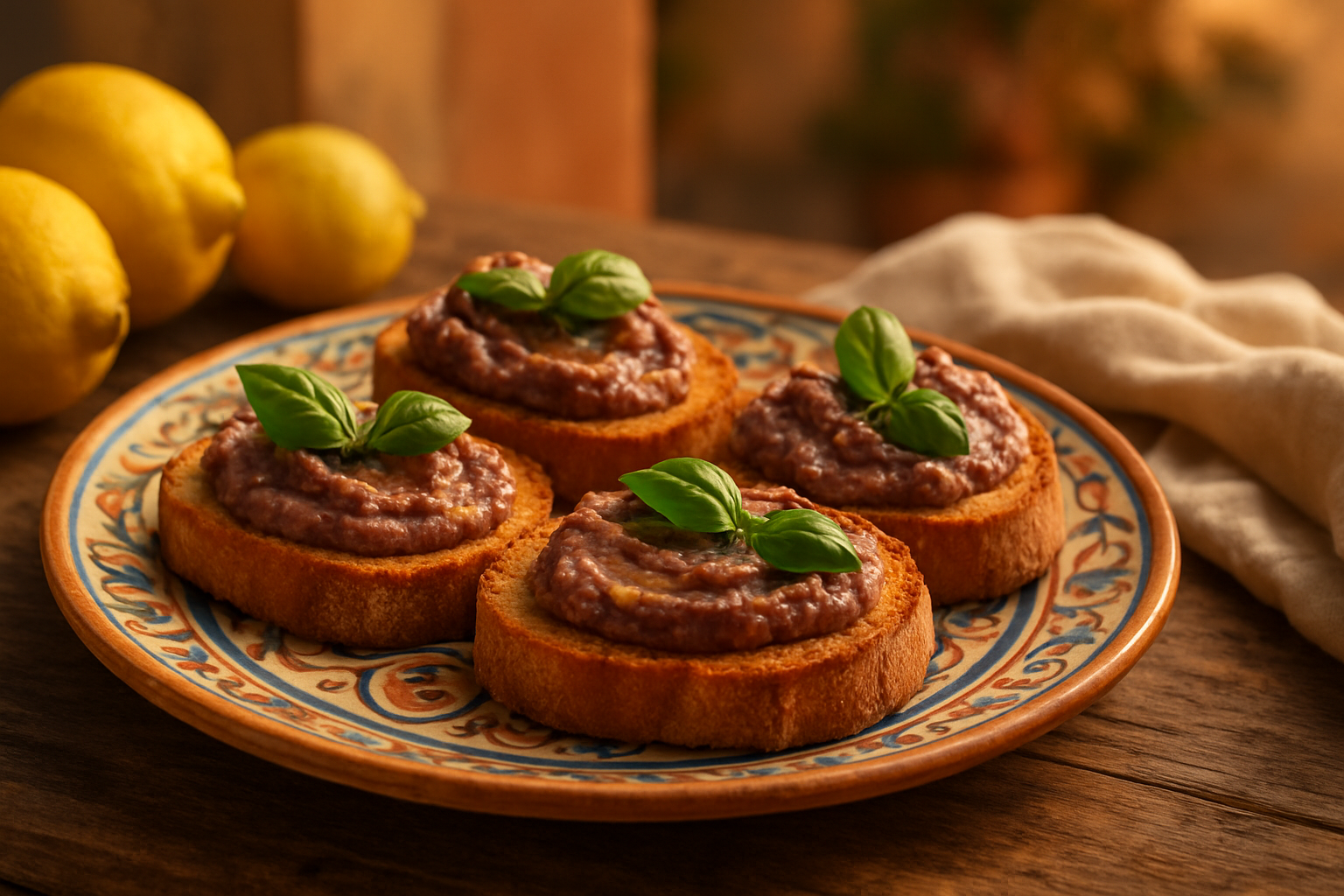 Sicilian Aubergine and Sun-Dried Tomato Dip – Taste of Mediterranean Sunshine
Discover the authentic Sicilian aubergine and sun-dried tomato dip, a vibrant starter blending fresh herbs and regional ingredients for a true Mediterranean flavour.
-
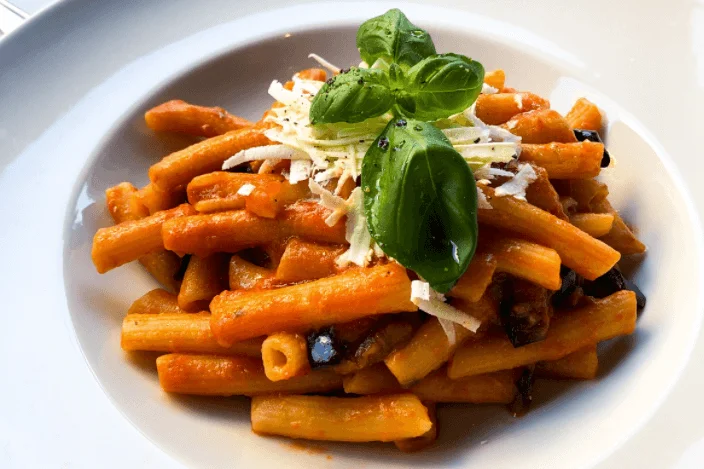 Classic Pasta alla Norma: A Taste of Sicilian Sunshine
Dive into the rich, traditional flavours of Sicily with this hearty pasta alla Norma recipe. Ready in about an hour, it’s a true Mediterranean delight.
-
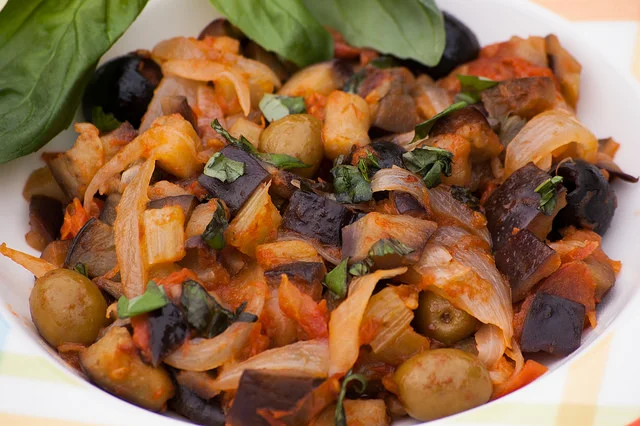 Sicilian Aubergine Caponata: Authentic Mediterranean Flavours from Sicily
Discover authentic Sicilian aubergine caponata, a sweet and sour Mediterranean classic. Perfect for summer sharing with rich, balanced flavours and tradition.
-
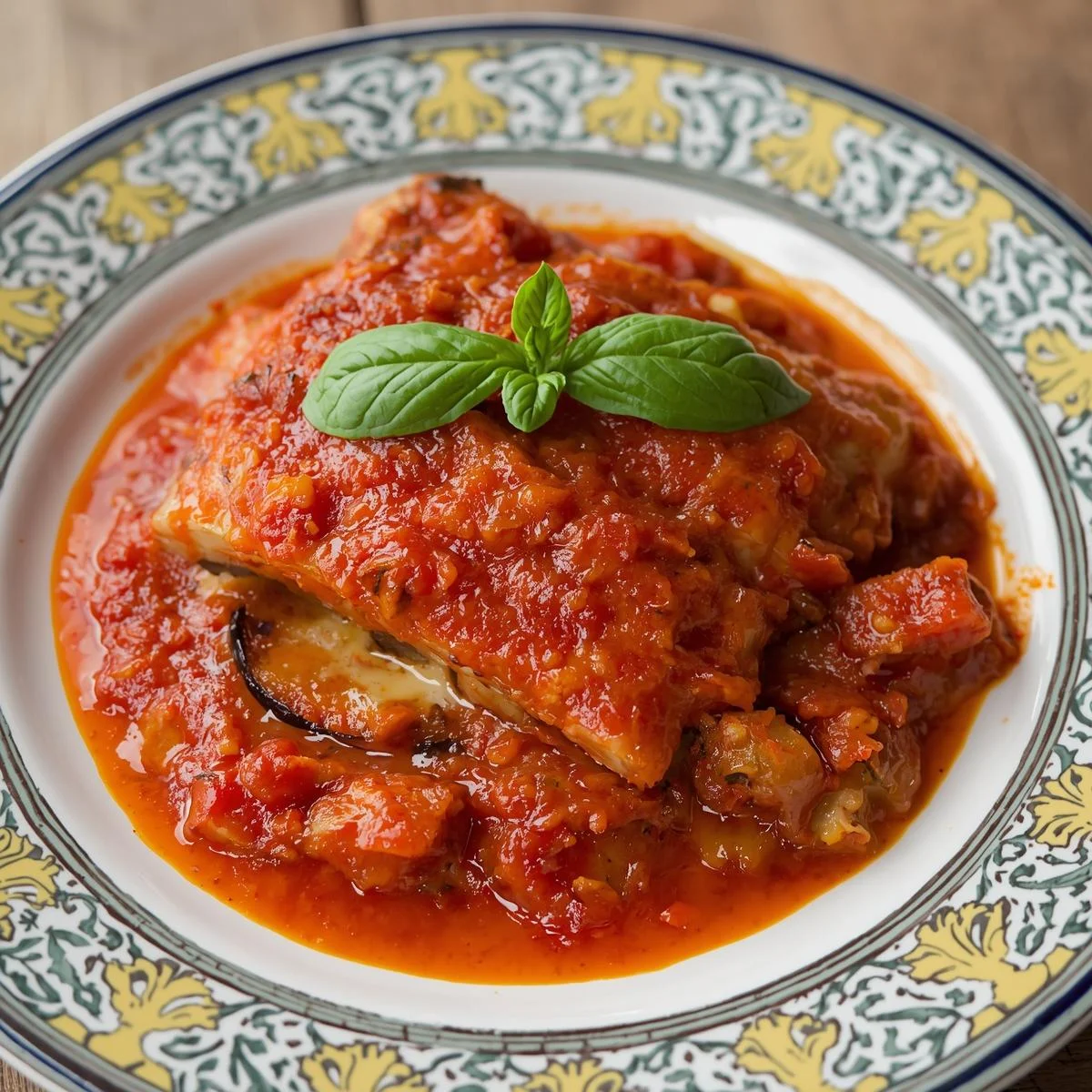 Sicilian Aubergine Bake: Authentic Southern Italian Vegetable Delight
Discover the authentic Sicilian aubergine bake, a slow-cooked vegetable dish with rich tomato sauce and traditional cheeses, perfect for seasonal and vegetarian meals.
-
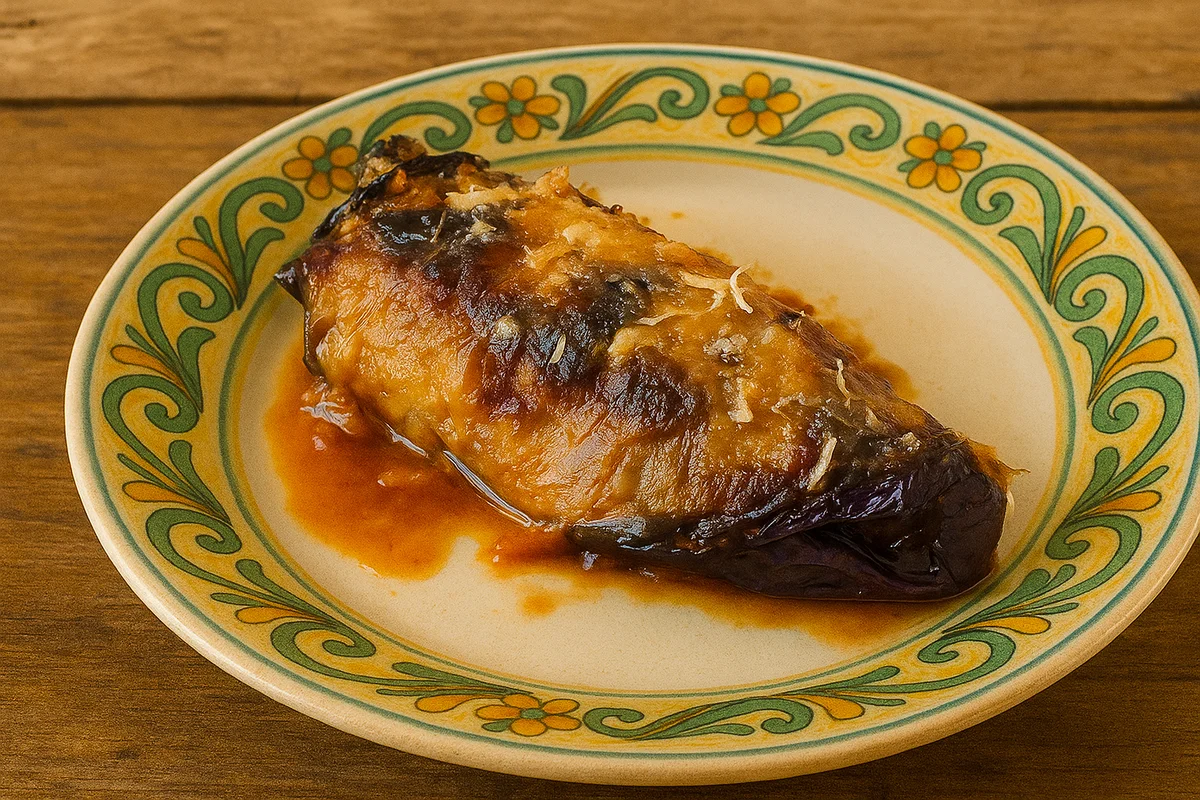 Sicilian Aubergine Cannelloni with Ragù: Authentic Island Flavours
Discover Sicilian aubergine cannelloni with ragù, a traditional dish blending rich meat ragù and caciocavallo cheese for a true taste of Sicily.
Origin and historical context
Originating in India and introduced to Europe through Arab traders, aubergines have been cultivated in the Mediterranean for centuries. Sicily, with its warm climate and fertile soil, became a prime region for growing this vegetable, which quickly integrated into local cuisine. Over time, aubergines evolved from a curious exotic to a beloved ingredient, featuring prominently in traditional Sicilian dishes. Their popularity grew alongside the island’s diverse cultural influences, including Arab, Norman, and Spanish, all of which contributed to the rich tapestry of Sicilian gastronomy.
Sensory properties
Aubergines are typically oval or elongated with a smooth, glossy skin that ranges from deep purple to almost black. Their flesh is pale, spongy, and slightly bitter when raw, but softens beautifully when cooked, developing a creamy texture. The skin is edible but can be tough in larger specimens. Aubergines are prized for their ability to soak up oils and seasonings, making them ideal for frying, roasting, grilling, or baking. Their subtle flavour acts as a perfect canvas for robust Mediterranean herbs, garlic, and tomatoes.
Local varieties
Sicily boasts several distinctive aubergine varieties, each with unique qualities. The classic purple globe is the most common, but the island also cultivates slender, elongated types and smaller, rounder ones known as 'melanzane tonde'. The white aubergine, rarer but cherished for its delicate flavour, is also found in Sicilian markets. Varieties like the ‘Violetta di Sicilia’ are prized for their tender flesh and fewer seeds, making them especially suited for dishes like the iconic Pasta alla Norma. Each variety offers subtle differences in texture and taste, allowing cooks to select the perfect aubergine for their recipe.
Seasonality
Aubergines thrive in warm weather, with their peak season in Sicily running from late summer through early autumn, typically July to October. During this period, they are at their freshest and most flavourful, benefiting from the island’s abundant sunshine. Outside these months, aubergines may be imported but often lack the depth of flavour and firmness of those grown locally. For the best culinary results, seek out Sicilian aubergines in season, when their texture is firm and their skin shiny and unblemished.
Nutritional properties
Aubergines are low in calories but rich in dietary fibre, making them excellent for digestion. They contain antioxidants such as nasunin, found in the skin, which helps protect cells from damage. Additionally, aubergines provide vitamins B1 and B6, potassium, and small amounts of magnesium and copper. Their high water content contributes to hydration, while their fibre supports heart health and blood sugar regulation. Incorporating aubergines into your diet offers both flavour and nutritional benefits, especially within a balanced Mediterranean eating pattern.
Traditional culinary uses
In Sicilian cuisine, aubergines are indispensable, starring in a variety of iconic dishes. The classic Aubergine Caponata is a sweet and sour vegetable stew that showcases the aubergine’s ability to absorb complex flavours, making it a perfect antipasto or side dish. Pasta alla Norma, a beloved Sicilian pasta, combines fried aubergine with tomato sauce, ricotta salata, and fresh basil, celebrating the vegetable’s rich texture. For a lighter option, the Sicilian Aubergine and Sun-Dried Tomato Dip offers a silky, flavourful spread ideal for sharing. Aubergines also shine in baked dishes like the Sicilian Aubergine Bake, layering tender slices with cheese and tomato for a comforting meal. For a modern twist, try the Sicilian Aubergine Burgers with Sun-Dried Tomatoes and Fresh Herbs, which highlight the vegetable’s versatility beyond traditional recipes.
How to choose and store
When selecting aubergines, look for specimens with smooth, shiny skin free from blemishes or wrinkles, indicating freshness. They should feel firm but slightly springy to the touch, with a fresh green calyx. Avoid those with soft spots or dull skin, which suggest overripeness. Store aubergines in a cool, dry place away from direct sunlight and use them within a few days, as they are sensitive to cold and can become bitter if refrigerated for too long. Before cooking, salting sliced aubergines and letting them rest can reduce bitterness and prevent excess oil absorption. Whether frying, roasting, or grilling, aubergines benefit from gentle handling to preserve their delicate texture and enhance their natural flavour.
More recipes using this ingredient
-
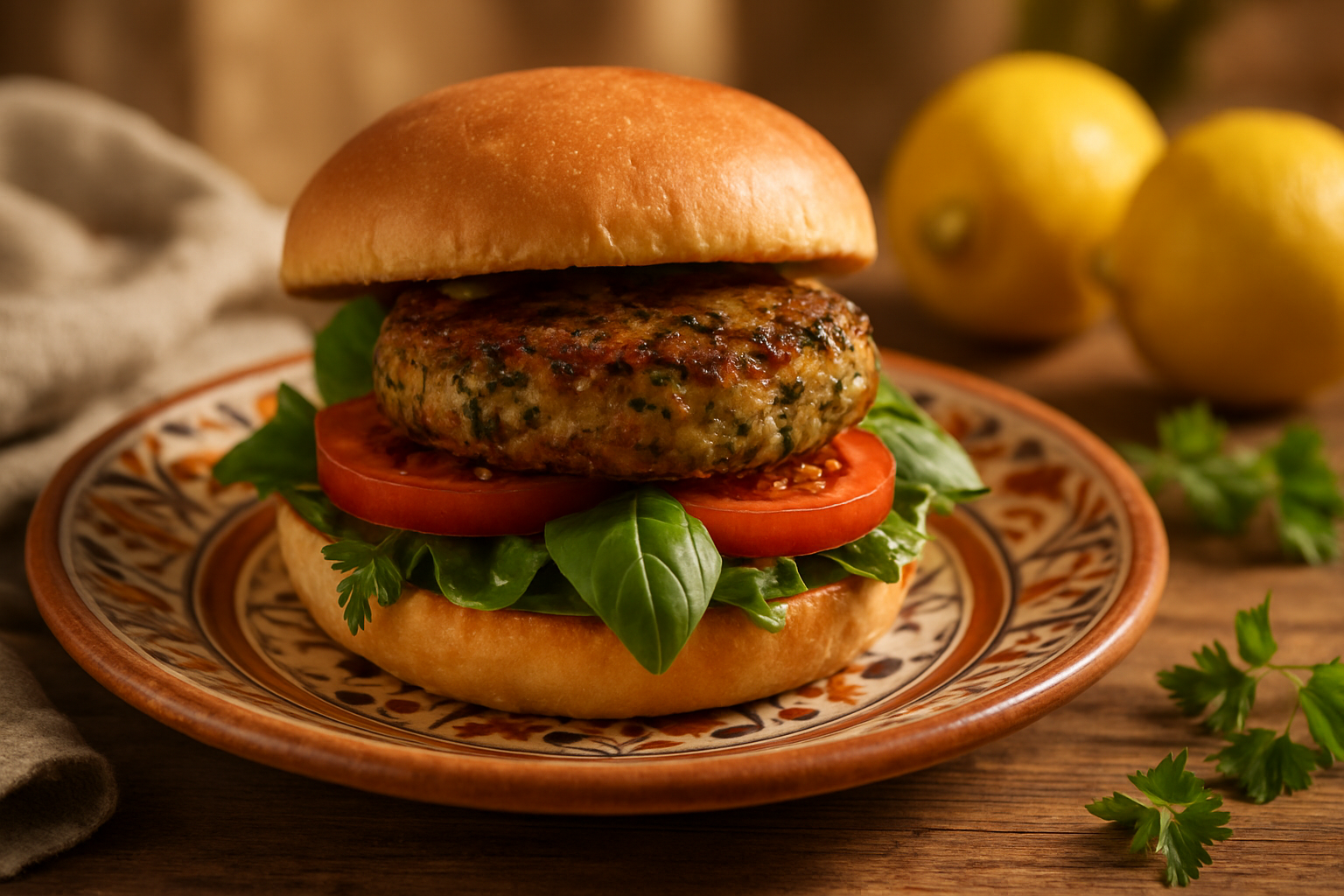 Sicilian Aubergine Burgers with Sun-Dried Tomatoes and Fresh Herbs
Discover authentic Sicilian aubergine burgers with sun-dried tomatoes and fresh herbs. A wholesome vegetarian main course full of Mediterranean flavour.
-
 Spaghetti with Aubergines and Chilli Breadcrumbs
Authentic Sicilian spaghetti with crispy aubergines and chilli toasted breadcrumbs. A quick vegetarian pasta bursting with Mediterranean flavour.
-
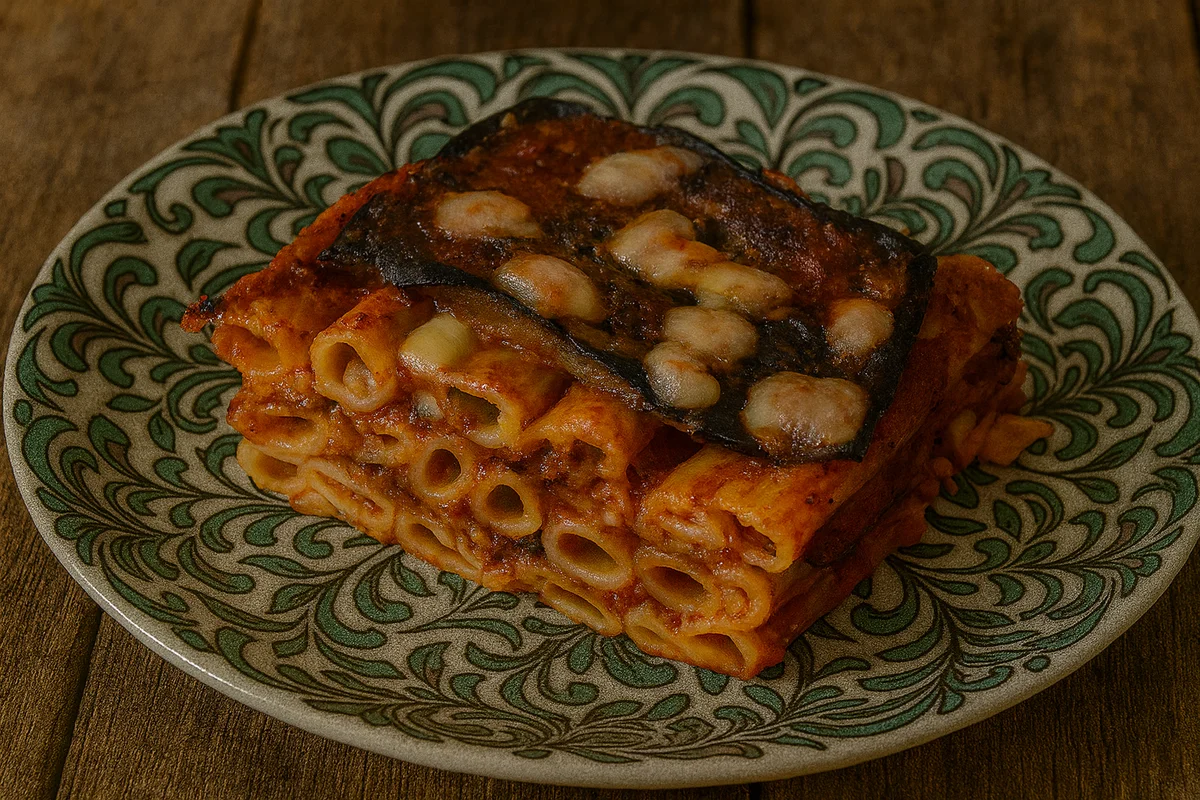 Norma Pasta Bake: Classic Sicilian Catania Recipe with Aubergine & Ricotta Salata
Discover the authentic Norma Pasta Bake from Catania, Sicily, blending fried aubergines, ricotta salata, and fresh basil in a comforting baked pasta dish.
FAQ
Are aubergines the same as eggplants?
Yes, aubergines and eggplants are the same vegetable. 'Aubergine' is the term commonly used in British English, while 'eggplant' is used in American English.
Do aubergines need to be salted before cooking?
Salting aubergines before cooking can help reduce bitterness and draw out excess moisture, which prevents them from becoming soggy, especially when frying.
Can aubergines be eaten raw?
Raw aubergines have a bitter taste and spongy texture, so they are generally not eaten raw. Cooking softens them and enhances their flavour.
What is the best way to store aubergines?
Store aubergines in a cool, dry place away from direct sunlight and use them within a few days. Avoid refrigeration if possible, as cold temperatures can damage their texture.
Which Sicilian dishes feature aubergines prominently?
Classic Sicilian dishes with aubergines include Aubergine Caponata, Pasta alla Norma, and Sicilian Aubergine Bake, all showcasing the vegetable’s rich flavour and versatility.