Overview
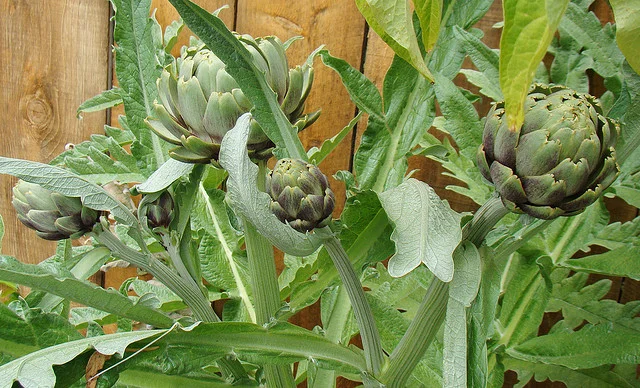
The artichoke (Cynara Cardunculus) is a hardy, herbaceous plant belonging to the Asteraceae family, where we relish the tender, immature flower buds alongside a portion of the stalk.
The treasure lies in the soft heart of the flower, prized for its rich, distinctive flavour.
This vegetable is brimming with nutrients beneficial to our wellbeing, including potassium, calcium, phosphorus, iron, vitamin A, a variety of B vitamins, plus vitamins C, E, K, J, and beta carotene.
Moreover, artichokes boast an exceptional fibre content, with minimal fat and a balanced supply of carbohydrates and protein.
While the energy they provide is moderate, it is not the lowest in their category.
The typical daily serving is roughly 200-400 grams of artichokes, providing around 30-60 kcal.
Seasonality
January, February, March, and December.
Artichoke Varieties
There is a wonderful array of artichoke varieties, primarily distinguished by whether their leaves bear thorns.
Among the most familiar are:
- Spiny Albenga: a particularly esteemed variety;
- Spiny Sicilian: more rounded in shape and notably meaty, delicious raw yet equally superb fried;
- Spiny Ligurian: recognisable by its oval form;
- Venetian from Chioggia: pale in colour, enjoyed boiled or fried;
- Purple Tuscan: elongated with a violet hue, typically pan-fried, sautéed, or cooked in a sauce;
- Violet Catania: with purple leaves, this is the most widespread variety in Italy;
- Paestum: boasting deep red leaves and a round shape;
- Romanesco: large and tender, with greenish-purple leaves, most often prepared alla giudia or alla romana.
In Sicily, the "violet" variety merits special mention as it morphs subtly depending on the agricultural region—be it the Catania or Ramacchese violet, the Gagliardo, Niscemese, Siracusano or artichoke of Lentini, or the violet of Val di Noto and smooth Sicilian types, to name just a few.
The spiny varieties from the plains of Buonfornello, Cerda, and Campofelice di Roccella are also considered very fine examples.
We should not forget the productions from Agrigento, particularly Menfi, known for its excellent spiny artichokes.
How to Prepare Artichokes
Before enjoying an artichoke, remove the tougher outer leaves and peel the stem thoroughly.
Also trim the tougher tops of the inner leaves and extract the fuzzy choke (or ‘barba’) within.
Given artichokes brown quite quickly due to oxidation, it’s best to submerge them immediately in water acidified with a squeeze of lemon juice during preparation.
Your hands may also darken while handling this vegetable—for this reason, it’s wise to wear gloves or moisten your hands with lemon.
For a detailed guide on cleaning artichokes, please refer to our dedicated resource.
Cooking with Artichokes
There’s an abundance of delicious recipes featuring artichokes, showcasing this delightful vegetable in myriad ways.
Some classic Sicilian preparations include battered artichokes, carciofi â viddanedda, lemony artichokes Sicilian-style, and rich tomato-sauced versions.
We invite you to explore many more inspired artichoke dishes on our blog.
Buying Tips
Always choose artichokes with tight, well-closed tips and firm, fleshy, glossy leaves.
The stem should feel solid and fresh to the touch.
Storage
Artichokes keep well in the fridge’s fruit and veg drawer for some time.
Cooked artichokes can be stored refrigerated for up to 2-3 days.